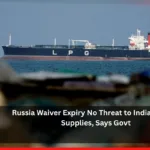


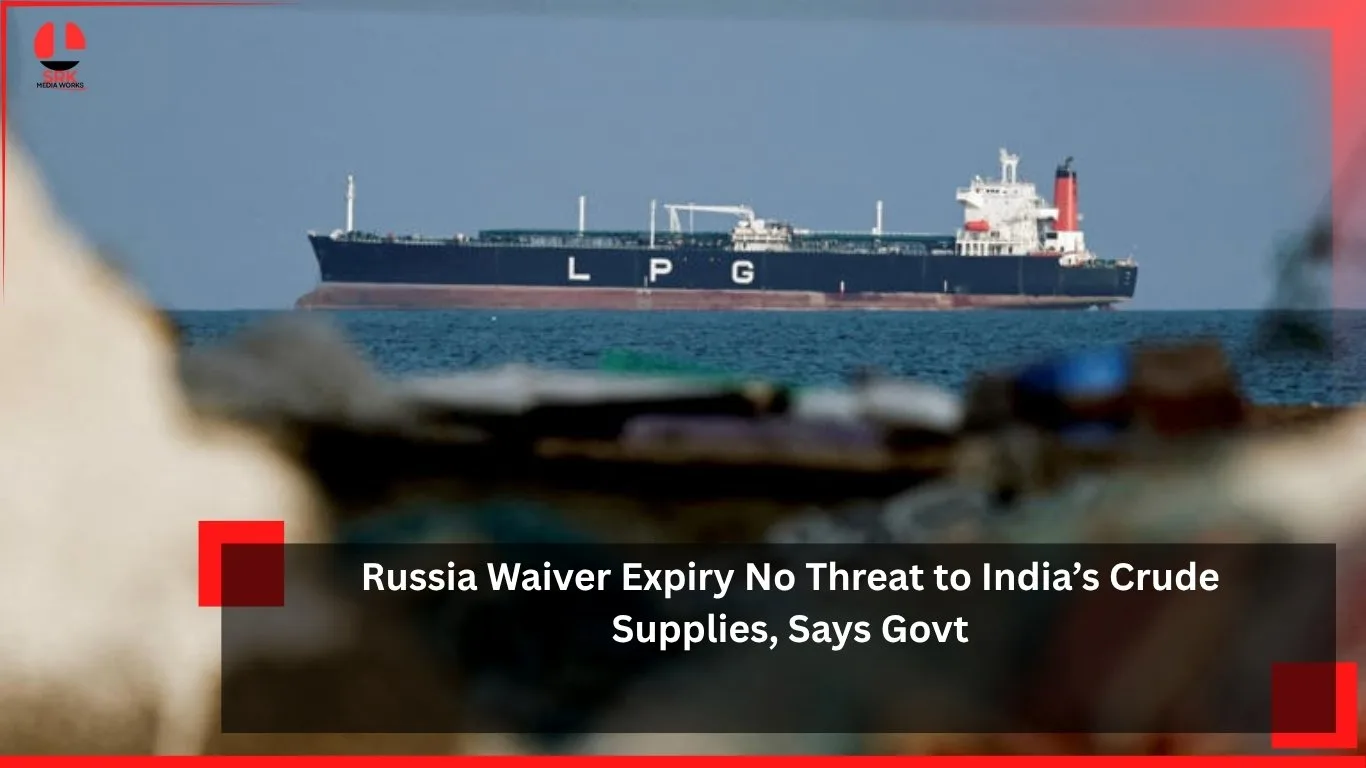
India’s government has reassured the public and global energy markets that the expiry of Russia’s crude oil waiver will not pose any threat to the country’s energy security. Officials emphasized that India has diversified its import sources and built strong resilience in its energy supply chain, ensuring stability despite geopolitical uncertainties.
Background: The Russia Waiver
The waiver allowed India to purchase Russian crude oil at discounted rates despite international sanctions. With its expiry, concerns were raised about whether India would face disruptions in crude supplies or higher costs. However, the government clarified that India’s energy strategy is robust enough to withstand such changes.
India’s Energy Security Strategy
India has consistently worked to diversify its crude oil imports, reducing dependence on any single country.
- Diversification: Imports from the Middle East, Africa, and the Americas.
- Strategic Reserves: Expansion of petroleum reserves to cushion against supply shocks.
- Long-Term Contracts: Agreements with multiple suppliers to ensure steady inflows.
- Renewable Push: Gradual shift toward renewable energy to reduce reliance on crude.
Comparative Table: India’s Crude Import Sources
| Region | Share in 2022 | Share in 2025 | Trend |
|---|---|---|---|
| Middle East | 55% | 48% | Declining |
| Russia | 20% | 18% | Stable |
| Africa | 15% | 20% | Increasing |
| Americas | 10% | 14% | Increasing |
Pivot Analysis: Possible Outcomes of Waiver Expiry
| Scenario | Impact on India | Global Impact |
|---|---|---|
| Smooth Transition | Stable supplies, minor price adjustments | Limited disruption |
| Price Increase | Higher import costs, inflationary pressure | Global oil prices rise |
| Diversification Success | Strengthened resilience | Encourages other nations to diversify |
| Supply Disruption | Short-term challenges | Heightened volatility in global markets |
Government’s Assurance
Officials stressed that India’s energy security is not tied to a single waiver or supplier. The Ministry of Petroleum highlighted that India has already secured alternative contracts and continues to negotiate favorable terms with multiple partners.
Key points from the government’s statement:
- No immediate threat to crude supplies.
- India remains committed to affordable energy for its citizens.
- Strategic reserves are sufficient to handle temporary disruptions.
Regional and Global Reactions
- Middle East Suppliers: Welcomed India’s continued engagement, seeing opportunities for expanded trade.
- Russia: Expressed confidence that India will remain a key buyer despite waiver expiry.
- United States: Monitoring India’s energy choices, emphasizing compliance with sanctions.
- Global Markets: Oil traders noted India’s resilience as a stabilizing factor.
Broader Implications
- Economic Stability: Ensures inflation remains under control.
- Diplomatic Balance: India continues to balance relations with Russia, the U.S., and Middle Eastern nations.
- Energy Transition: Reinforces India’s push toward renewable energy.
- Global Leadership: India’s resilience sets an example for other developing economies.
Public Sentiment
- Consumers: Relieved by assurances of stable fuel prices.
- Industry Leaders: Optimistic about continued supply stability.
- Analysts: Highlight India’s strategic foresight in diversifying imports.
Expert Opinions
Energy experts argue that India’s proactive diversification strategy has paid off. By securing multiple supply lines and investing in reserves, India has insulated itself from sudden shocks. Economists note that while prices may fluctuate, India’s overall energy security remains intact.
Conclusion
The expiry of Russia’s crude oil waiver may have raised concerns, but India’s government has made it clear that the country’s energy supplies remain secure. With diversified imports, strategic reserves, and a strong push toward renewables, India is well-positioned to navigate global uncertainties. The assurance reflects India’s growing maturity in energy diplomacy and its ability to safeguard national interests.
Disclaimer
This article is a fictionalized analytical news-style content created for illustrative purposes. It does not represent verified events or official reports. Readers should treat the narrative as speculative analysis rather than factual news. The purpose is to explore geopolitical and economic scenarios in a journalistic format.