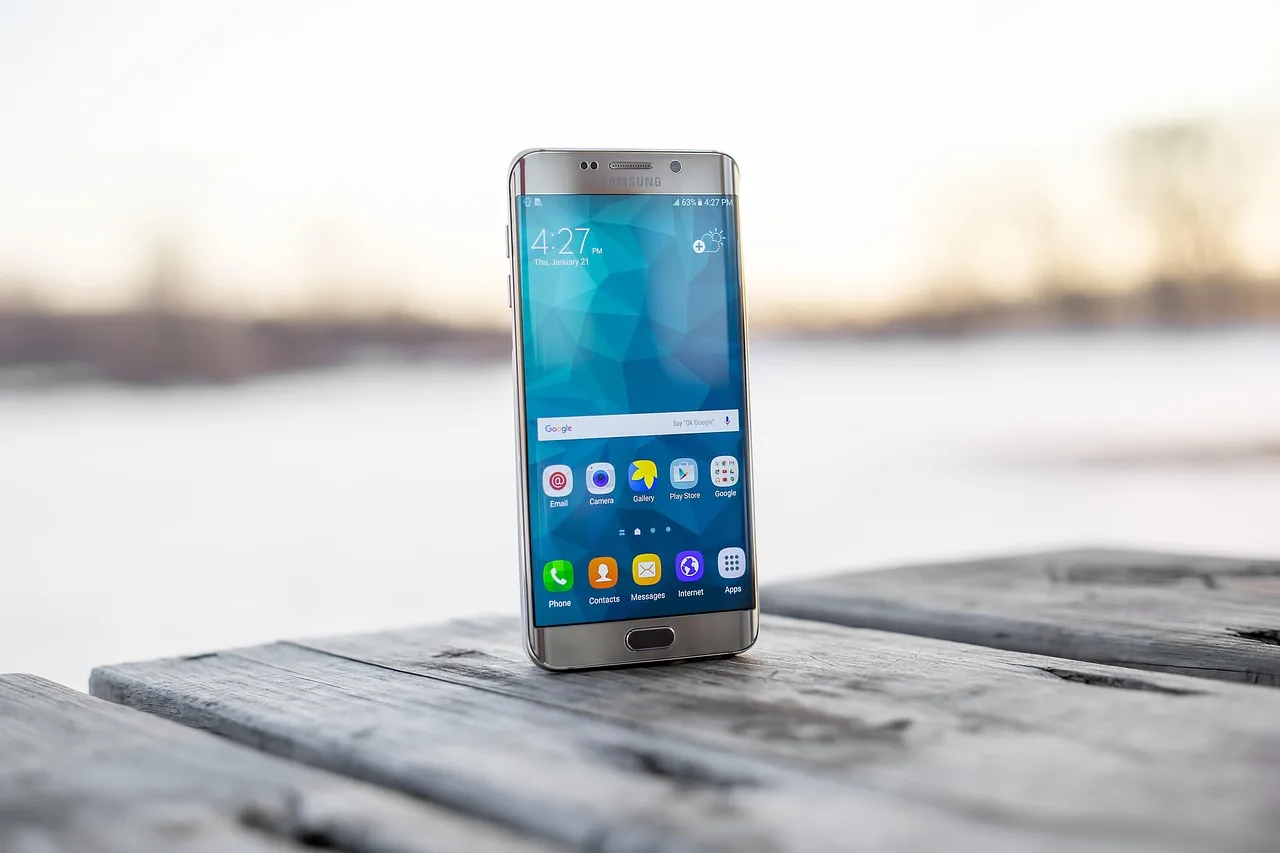

Samsung Electronics officially announced the global pricing and availability for its latest mid-range contenders, the Galaxy A55 5G and Galaxy A35 5G, this week across major international markets. Aiming to solidify its dominance in the sub-$500 smartphone segment, the South Korean tech giant is deploying these devices to bridge the gap between budget accessibility and flagship-level performance. The rollout begins this month, targeting consumers who demand high-end security features and sophisticated camera arrays without the premium price tag of the S-series.
The Strategic Importance of the Galaxy A-Series
The Galaxy A-series represents the volume driver for Samsung’s mobile division, often accounting for a significant portion of its annual shipments. While the Galaxy S24 Ultra captures the headlines for its artificial intelligence capabilities, the A55 and A35 are the workhorses designed to maintain market share in regions like Europe, India, and Southeast Asia. These devices serve as the first point of entry for many younger users into the Samsung ecosystem.
Historically, the mid-range segment was defined by compromises in build quality and software support. However, Samsung has shifted its strategy over the last two years to include premium materials and extended update cycles. The introduction of the A55 and A35 marks a pivotal moment where high-end security hardware, previously reserved for flagship models, becomes a standard feature for the mass market.
Pricing Tiers and Regional Variations
Samsung has positioned the Galaxy A55 5G at a starting price of approximately €479 ($520 USD) for the 8GB RAM and 128GB storage configuration. The more affordable Galaxy A35 5G enters the market at roughly €379 ($410 USD). These price points place the devices in direct competition with the Google Pixel 7a and the upcoming Pixel 8a, as well as various offerings from Chinese manufacturers like Xiaomi and Nothing.
In the United Kingdom and European markets, Samsung is offering promotional trade-in deals and bundled accessories to incentivize early adoption. While US-specific pricing often fluctuates based on carrier partnerships, industry analysts expect the A35 to be the primary focus for North American prepaid and contract markets, following the trend of previous generations where the A54 saw significant success.
Technical Specifications and Design Philosophy
The Galaxy A55 5G features a new metal frame, a notable upgrade from the plastic frames used in previous iterations, providing a more rigid and premium hand-feel. It is powered by the Exynos 1480 processor, which utilizes a 4nm process to improve thermal efficiency and gaming performance. The device sports a 6.6-inch Super AMOLED display with a 120Hz refresh rate, ensuring smooth navigation and media consumption.
The Galaxy A35 5G, while sharing the same 6.6-inch display size and 5,000mAh battery capacity, utilizes the Exynos 1380 chipset. Both phones introduce the “Key Island” design—a raised area on the side frame that houses the power and volume buttons. This ergonomic tweak is intended to make the buttons easier to locate by touch while adding a distinct visual identity to the 2024 lineup.
Security and Longevity: The Knox Vault Integration
For the first time in the A-series, Samsung has integrated “Knox Vault,” a hardware-based security environment that is physically isolated from the main processor and memory. This system protects the most critical data, such as lock screen credentials and encryption keys, against both software hacks and physical tampering. This move addresses growing consumer concerns regarding mobile privacy and data theft.
Furthermore, Samsung has committed to four generations of Android OS upgrades and five years of security updates for both models. According to data from Counterpoint Research, the average smartphone replacement cycle has extended to nearly 40 months. By offering long-term software support, Samsung is appealing to the “value-conscious” demographic that prioritizes device longevity over annual upgrades.
Market Implications and Competitive Landscape
The release of the A55 and A35 comes at a time when the global smartphone market is showing signs of recovery. However, the mid-range segment remains hyper-competitive. By including features like IP67 water and dust resistance—features often missing from competitors at this price—Samsung is attempting to create a “default choice” for the average consumer.
Industry experts suggest that the success of these models will depend heavily on their camera performance. Both devices feature 50MP main sensors with Optical Image Stabilization (OIS). Samsung’s marketing has focused heavily on “Nightography,” claiming that the AI-driven Image Signal Processing (ISP) in the A55 significantly reduces noise in low-light environments compared to the Galaxy A54.
As the A55 5G and A35 5G hit retail shelves, the industry will be watching for the consumer response to the lack of a headphone jack and the removal of the in-box charger, trends that have now fully migrated from the flagship tier to the mid-range. The performance of these devices in the second quarter of 2024 will likely dictate whether Samsung can maintain its lead over a surging Xiaomi and a stabilized Apple in the global shipment rankings. Moving forward, the focus will shift to how these devices handle the eventual rollout of more advanced Galaxy AI features via software updates.