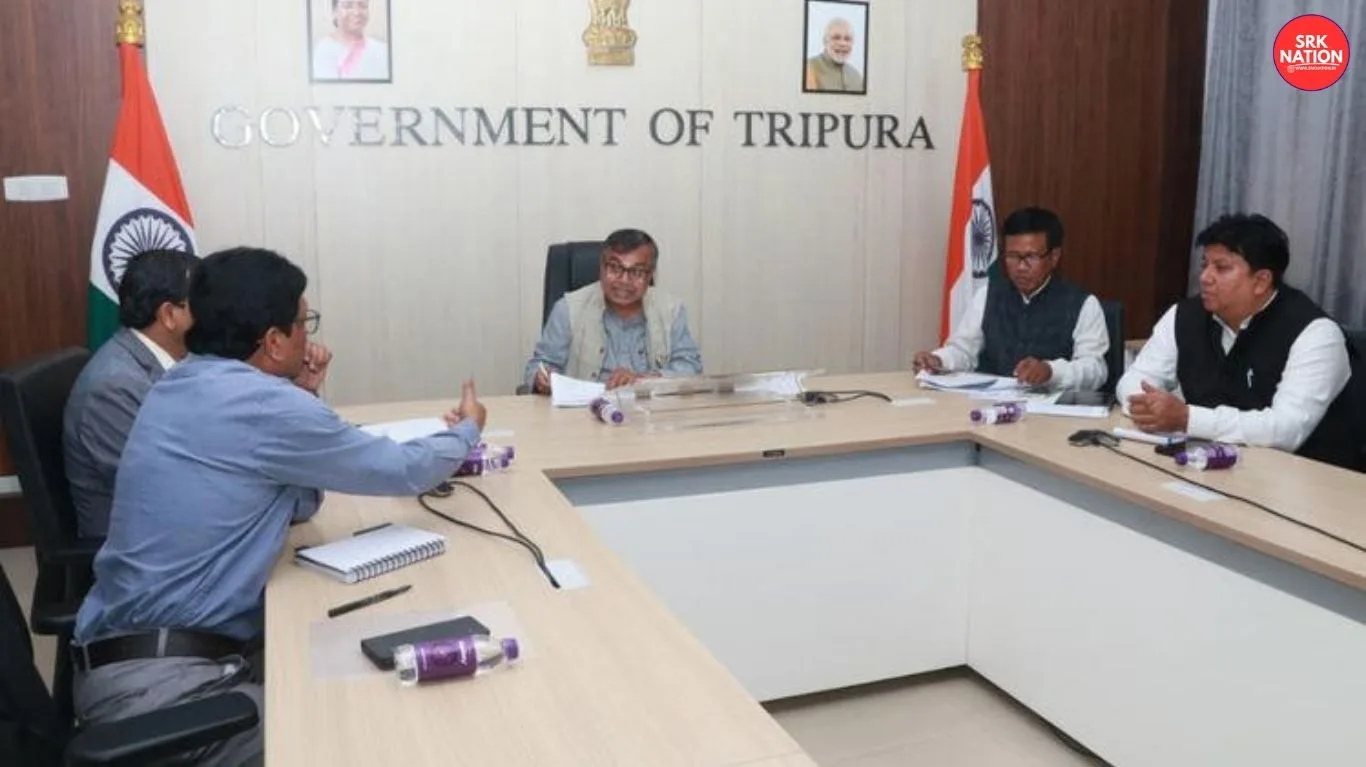






In a remarkable step towards promoting organic farming and expanding agricultural trade, Tripura has shipped 15,000 organic scented lemons to Kolkata, marking a significant milestone for the northeastern state’s farmers. This initiative not only highlights Tripura’s growing role in India’s organic produce market but also underscores the rising demand for naturally grown, chemical-free fruits in metropolitan cities.
Background of Tripura’s Organic Lemon Cultivation
- Tripura, known for its lush greenery and fertile soil, has been steadily increasing its focus on organic farming.
- The state’s farmers have embraced sustainable practices, cultivating crops without synthetic fertilizers or pesticides.
- Organic scented lemons, unique for their aroma and taste, have become one of Tripura’s flagship products.
- The shipment to Kolkata represents both a commercial opportunity and a cultural exchange, bringing northeastern produce to eastern India’s largest city.
Key Highlights of the Shipment
| Indicator | Details |
|---|---|
| Quantity Shipped | 15,000 organic scented lemons |
| Origin | Tripura |
| Destination | Kolkata |
| Farming Method | Organic, chemical-free |
| Strategic Goal | Promote organic farming, expand market reach |
| Broader Impact | Boosts farmer income, strengthens regional trade |
Tripura’s Organic Lemon Trade
| Factor | Tripura’s Contribution | Impact on Kolkata Market | Broader Implication |
|---|---|---|---|
| Organic Farming | Chemical-free cultivation | Access to healthier produce | Promotes sustainability |
| Farmer Income | Higher returns from organic lemons | Increased supply chain opportunities | Strengthens rural economy |
| Market Expansion | Entry into Kolkata | Wider consumer base | Encourages interstate trade |
| Consumer Demand | Rising interest in organic fruits | Meets urban health-conscious needs | Shapes future food trends |
| Cultural Exchange | Northeastern produce showcased | Kolkata consumers experience new flavors | Enhances national integration |
Why This Story Matters
- Agricultural Growth: Highlights Tripura’s progress in organic farming.
- Economic Development: Boosts farmer income and rural livelihoods.
- Urban Demand: Reflects growing consumer preference for organic produce in cities.
- Sustainability: Encourages eco-friendly farming practices.
- National Integration: Strengthens trade ties between northeastern states and metropolitan hubs.
Farmer Benefits
- Farmers in Tripura benefit from higher prices for organic produce compared to conventional crops.
- The shipment opens new markets, reducing dependence on local buyers.
- Organic farming reduces input costs, as farmers rely on natural fertilizers and traditional methods.
- The initiative empowers small-scale farmers, giving them access to larger supply chains.
Consumer Benefits
- Kolkata consumers gain access to fresh, organic, and aromatic lemons.
- Organic lemons are healthier, free from harmful chemicals.
- The unique aroma and taste enhance culinary experiences.
- Rising awareness of organic produce aligns with urban health and wellness trends.
Challenges Ahead
- Supply Chain Management: Ensuring smooth transportation of perishable goods.
- Market Awareness: Educating consumers about the benefits of organic lemons.
- Pricing: Balancing affordability with fair returns for farmers.
- Scaling Production: Expanding cultivation while maintaining organic standards.
- Competition: Competing with conventional produce in urban markets.
Opportunities for Tripura
- Expand Market Reach: Target other metropolitan cities like Delhi, Mumbai, and Bengaluru.
- Brand Building: Position Tripura’s lemons as a premium organic product.
- Export Potential: Explore international markets for organic produce.
- Farmer Training: Provide support for sustainable farming practices.
- Government Support: Leverage policies promoting organic agriculture.
Broader Context of Organic Farming in India
- India has witnessed a surge in organic farming, driven by consumer demand and government initiatives.
- Northeastern states, with their natural environment, are well-suited for organic cultivation.
- Organic produce is increasingly seen as a healthier alternative, boosting demand in urban centers.
- Tripura’s lemon shipment reflects the broader trend of integrating rural organic farming with urban consumption.
Sectoral Breakdown of Organic Lemon Trade
| Sector | Contribution | Strategic Importance |
|---|---|---|
| Agriculture | Organic cultivation | Promotes sustainability |
| Trade & Logistics | Transportation to Kolkata | Strengthens supply chains |
| Retail | Distribution in urban markets | Expands consumer access |
| Health & Wellness | Organic produce consumption | Aligns with lifestyle trends |
| Rural Development | Farmer empowerment | Boosts local economies |
Expert Opinions
- Agricultural Economists: Stress that organic farming boosts farmer income and sustainability.
- Market Analysts: Highlight the growing demand for organic produce in urban centers.
- Policy Advisors: Note that government support can accelerate organic farming adoption.
- Health Experts: Emphasize the benefits of chemical-free produce for consumer health.
Media Coverage
- Headlines emphasized Tripura’s shipment of 15,000 organic lemons to Kolkata.
- Analysts debated the potential for expanding organic farming in northeastern states.
- Coverage highlighted consumer demand for organic produce in metropolitan cities.
- The story continues to dominate discussions in agricultural and trade circles.
Conclusion
The shipment of 15,000 organic scented lemons from Tripura to Kolkata marks a significant milestone in India’s organic farming journey. It reflects the growing demand for chemical-free produce, empowers farmers, and strengthens trade ties between regions. As Tripura positions itself as a hub for organic cultivation, the initiative sets the stage for broader market expansion, healthier consumer choices, and sustainable agricultural growth.
Disclaimer
This article is intended for informational purposes only and does not constitute agricultural or trade advice. Farming practices, market conditions, and consumer demand are subject to change based on evolving circumstances. Readers are encouraged to follow official updates for accurate information. The author and publisher are not responsible for any decisions made based on this article.