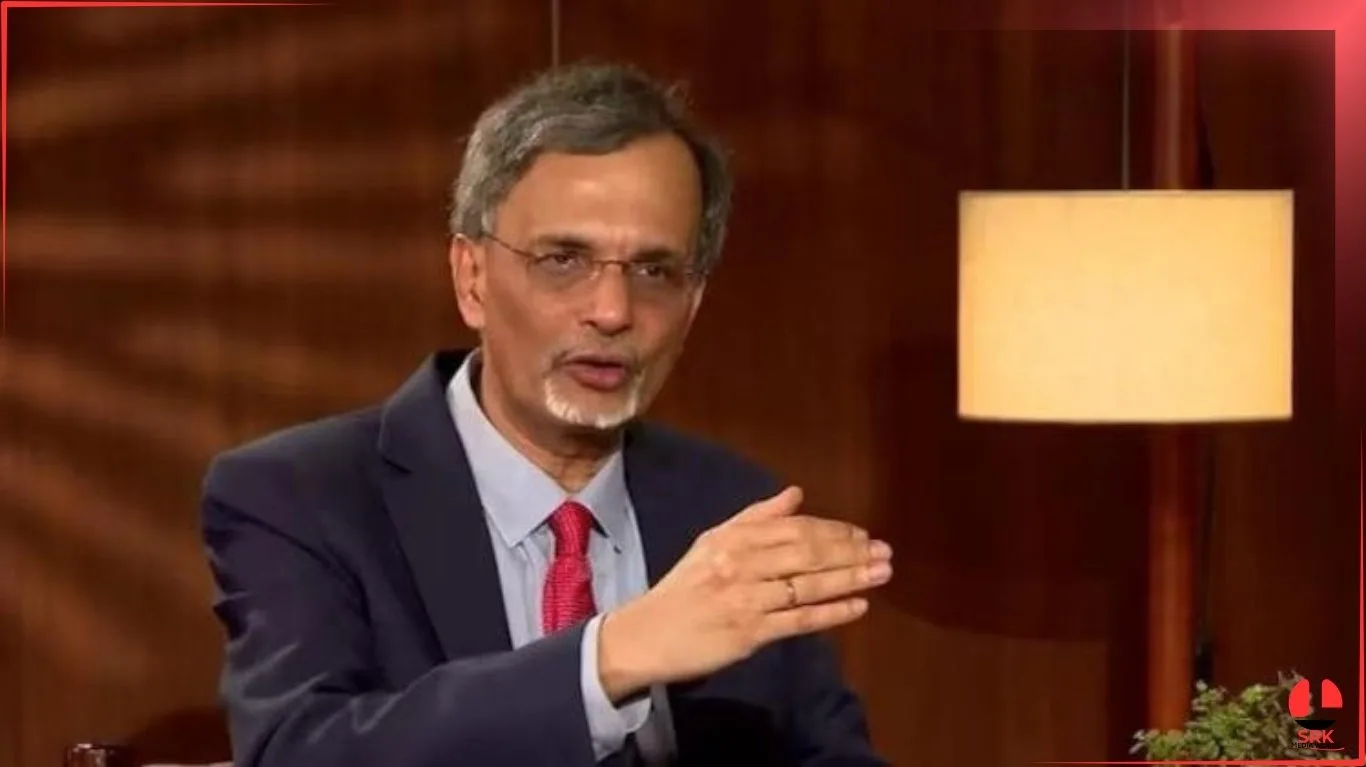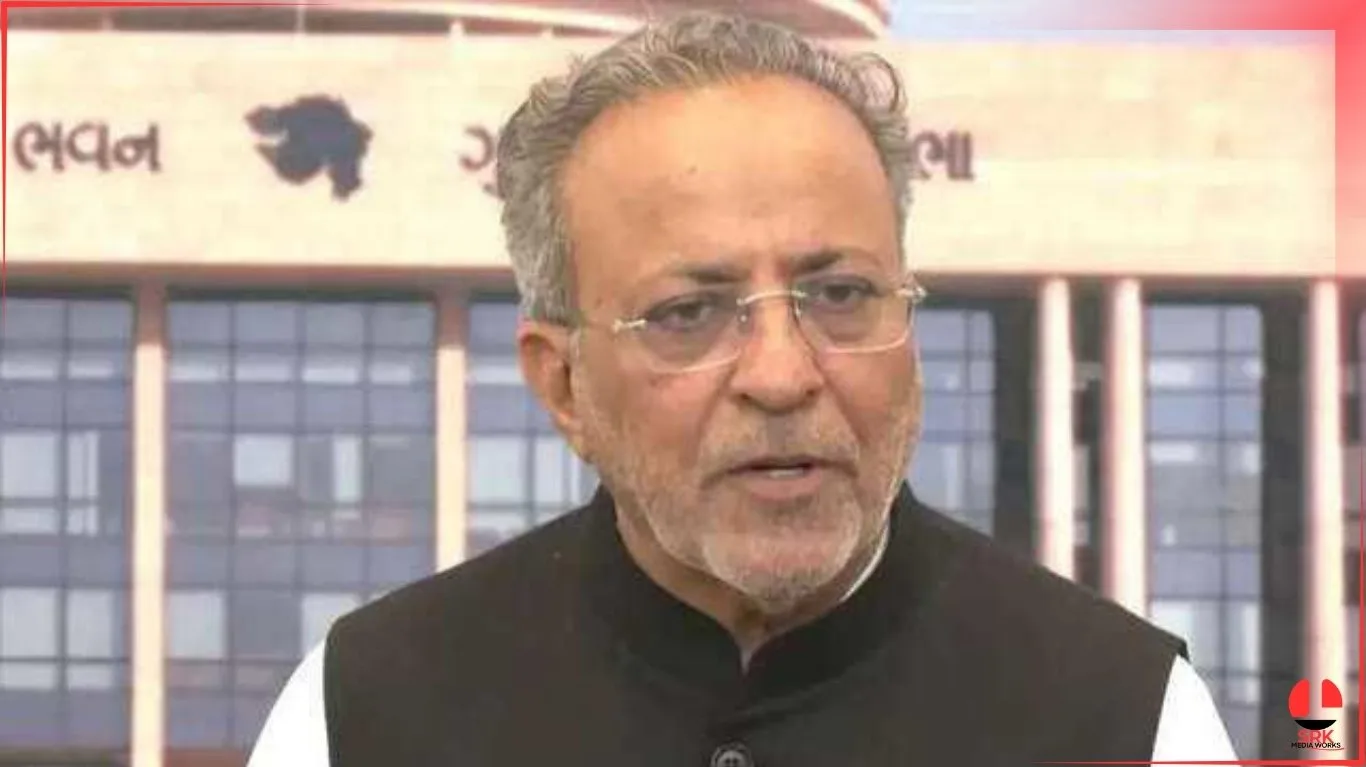





Veteran entrepreneur and policy commentator T.V. Mohandas Pai has strongly criticized the Brihanmumbai Municipal Corporation (BMC) after reports revealed that nearly 99% of civic funds were allocated to wards controlled by the ruling party. Pai described the move as “very wrong” and warned that similar practices are being observed in Bengaluru, raising concerns about fairness, transparency, and accountability in urban governance. His remarks have sparked a wider debate on the equitable distribution of public funds and the need for reforms in municipal administration across India.
Background of the Controversy
- The BMC, India’s richest municipal corporation, has come under scrutiny for allegedly directing almost all of its funds to wards under the control of the ruling party.
- Critics argue that this allocation undermines democratic principles and deprives opposition-controlled wards of essential development resources.
- Mohandas Pai, known for his outspoken views on governance and transparency, highlighted that similar issues exist in Bengaluru, where civic funds are often distributed unevenly.
- The controversy has reignited discussions about the need for reforms in municipal finance and accountability mechanisms.
Key Highlights of Pai’s Remarks
| Indicator | Details |
|---|---|
| Speaker | T.V. Mohandas Pai |
| Issue | BMC allocating 99% funds to ruling wards |
| Statement | “Very wrong… same is happening in Bengaluru” |
| Broader Concern | Transparency, fairness, accountability in civic governance |
| Impact | Public debate on municipal reforms |
Implications of Unequal Fund Allocation
| Factor | Positive Impact | Challenges | Long-Term Implication |
|---|---|---|---|
| Ruling Party Wards | Receive more resources | Risk of favoritism | Short-term development gains |
| Opposition Wards | Lack of funds | Neglect of basic services | Widening inequality |
| Public Sentiment | Awareness of governance issues | Distrust in civic bodies | Demand for reforms |
| Governance Standards | Sparks debate on accountability | Weak transparency | Push for equitable policies |
| Urban Development | Focused growth in select areas | Uneven infrastructure | Long-term imbalance in cities |
Why Pai’s Statement Matters
- Public Accountability: His remarks highlight the importance of equitable distribution of civic funds.
- National Relevance: By pointing to Bengaluru, Pai suggests that the issue is not limited to Mumbai.
- Policy Debate: The controversy has triggered discussions on municipal finance reforms.
- Citizen Awareness: The statement raises public consciousness about governance practices.
- Political Impact: The issue may influence civic politics and electoral strategies.
Governance Challenges in BMC and Bengaluru
| Attribute | Details |
|---|---|
| Transparency | Limited disclosure of fund allocation |
| Accountability | Weak mechanisms to monitor spending |
| Equity | Funds concentrated in ruling wards |
| Public Services | Uneven delivery of infrastructure and amenities |
| Reform Needs | Stronger laws and oversight institutions |
Both Mumbai and Bengaluru face similar challenges in ensuring fair and transparent governance at the municipal level.
Expert Opinions
- Urban Planners: Stress the need for equitable distribution of funds to ensure balanced development.
- Economists: Warn that uneven allocation can widen socio-economic disparities in cities.
- Policy Analysts: Call for reforms in municipal finance to strengthen accountability.
- Citizens: Express frustration over neglect of opposition-controlled wards.
Challenges Ahead
- Political Influence: Ensuring that fund allocation is not driven by partisan interests.
- Transparency: Improving disclosure of civic budgets and expenditures.
- Accountability: Strengthening oversight mechanisms to monitor fund usage.
- Public Trust: Restoring confidence in municipal governance.
- Urban Equity: Addressing disparities in infrastructure and services across wards.
Opportunities for Reform
- Equitable Allocation: Ensure fair distribution of funds across all wards.
- Transparency Measures: Publish detailed reports on civic spending.
- Citizen Participation: Involve residents in budget planning and monitoring.
- Technology Use: Deploy digital platforms for tracking fund usage.
- Policy Reforms: Introduce stronger laws to prevent misuse of civic funds.
Broader Context of Urban Governance in India
- India’s cities are expanding rapidly, making equitable governance more critical than ever.
- Municipal corporations play a vital role in delivering infrastructure and services.
- Unequal fund allocation undermines democratic principles and weakens public trust.
- Pai’s remarks reflect growing concerns about governance practices in major urban centers.
Public Sentiment
- Citizens in Mumbai expressed anger over the alleged favoritism in fund allocation.
- Residents in Bengaluru echoed similar concerns, highlighting neglect in certain wards.
- Social media debates amplified Pai’s remarks, calling for reforms in municipal governance.
- Overall sentiment remains critical, with demands for transparency and accountability.
Conclusion
The criticism by Mohandas Pai of the BMC’s alleged allocation of 99% funds to ruling wards has brought national attention to the issue of fairness in municipal governance. By pointing out that “the same is happening in Bengaluru,” Pai has underscored the broader relevance of the problem across India’s urban centers. The controversy highlights the urgent need for reforms in municipal finance, transparency, and accountability. As India’s cities continue to grow, ensuring equitable distribution of resources will be key to building inclusive and sustainable urban futures.
Disclaimer
This article is intended for informational purposes only and does not constitute official policy or political advice. Allegations, governance practices, and public sentiments are subject to change based on evolving circumstances. Readers are encouraged to follow official updates for accurate information. The author and publisher are not responsible for any decisions made based on this article.