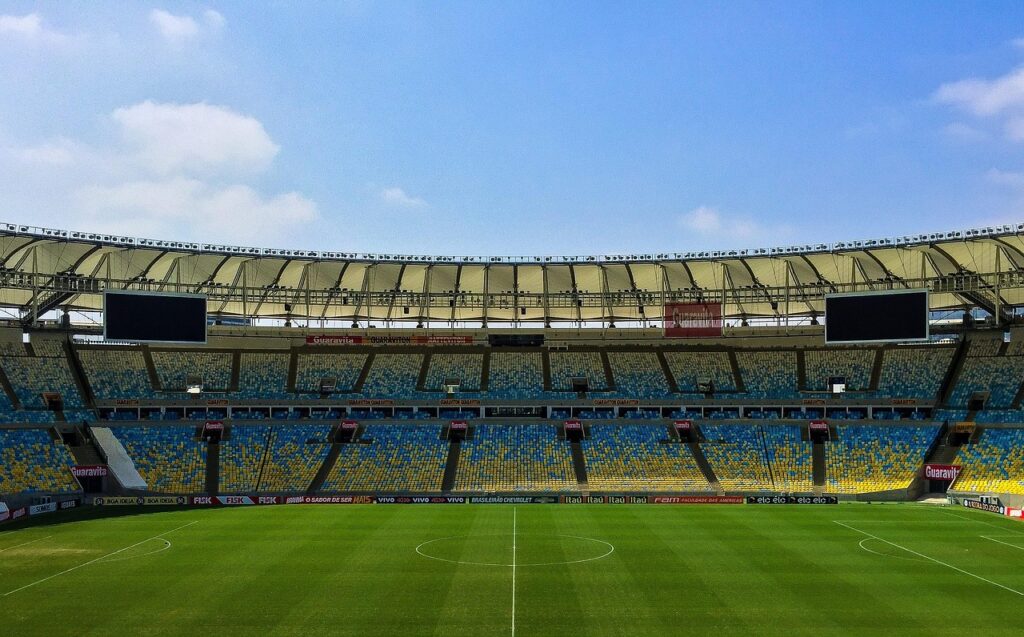

The England national football team returns to the historic Estadio Azteca in Mexico City this week for a high-stakes international friendly against Mexico, marking a poignant return to the site of one of the most controversial matches in sporting history. As manager Thomas Tuchel leads his squad into the thin, high-altitude air of the Mexican capital, the looming shadow of the 1986 FIFA World Cup quarter-final between England and Argentina remains the central narrative, nearly four decades after Diego Maradona’s legendary and infamous performance.
A Legacy Defined by Controversy
The 1986 fixture at the Azteca is etched into football folklore for two distinct moments of brilliance and perceived injustice. In the 51st minute, Diego Maradona leapt to punch the ball past English goalkeeper Peter Shilton, an act of gamesmanship that referee Ali Bin Nasser failed to spot, famously dubbed the “Hand of God.”
Just four minutes later, Maradona dribbled past five English players to score the “Goal of the Century.” That match effectively cemented the intense rivalry between England and Argentina, leaving a generation of English fans and players with a lingering sense of historical grievance that persists every time the Three Lions set foot on Mexican soil.
Navigating Physical and Psychological Hurdles
Beyond the psychological weight of history, Tuchel faces the daunting physiological challenge of the Azteca’s altitude. Situated at approximately 2,240 meters above sea level, the venue is notorious for testing the endurance of visiting European squads, often leading to rapid fatigue and tactical adjustments in the final third of the match.
Tuchel has emphasized that this trip is as much about mental fortitude as it is about physical conditioning. “We are playing against more than just the Mexican team; we are playing against the weight of the stadium’s history,” Tuchel stated in a recent press briefing. His tactical focus remains on maintaining high-intensity pressing, though he acknowledged that oxygen deprivation will necessitate a more disciplined, patient approach to ball retention.
Statistical Realities and Expert Insight
Data analysts from Opta note that England’s performance in high-altitude environments has historically been inconsistent. Since 1986, England has struggled to maintain their customary high-tempo game in similar conditions, with pass completion rates typically dropping by approximately 8% when playing above 2,000 meters.
Sporting psychologists suggest that the narrative of “karma” often acts as a double-edged sword. While it can serve as a powerful motivator for a young squad eager to rewrite the past, it also risks distracting players from the technical realities of the current opponent. Mexico, under their current regime, boasts a formidable record at the Azteca, having lost only one of their last 15 competitive matches at the venue.
The Road Ahead
Looking forward, the match serves as a crucial litmus test for England’s readiness for the next World Cup cycle. Analysts will be closely monitoring how the squad manages the physical toll of the altitude, as it provides a realistic blueprint for potential future tournament conditions in similar climates. Fans and pundits alike will be watching to see if this generation can finally decouple the Azteca from the memories of 1986, transforming the stadium from a site of historical trauma into a proving ground for Tuchel’s tactical evolution.