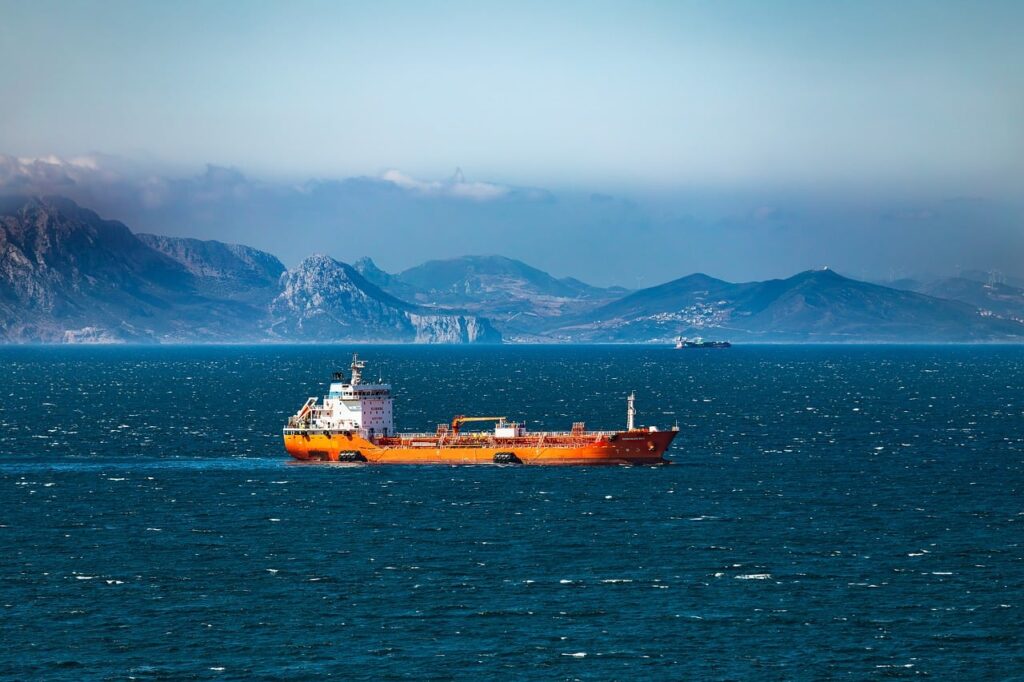

The United States government formally accused Iran of orchestrating attacks on two commercial oil tankers in the Strait of Hormuz on Thursday, prompting an immediate surge in global energy prices and raising the specter of direct military confrontation in the Middle East. Secretary of State officials confirmed that U.S. naval assets were deployed to the region following distress calls, as Washington weighs a range of potential diplomatic and military responses to what it characterizes as a direct threat to international maritime commerce.
A History of Maritime Volatility
The Strait of Hormuz serves as a critical choke point for the global economy, with approximately 20% of the world’s total petroleum consumption passing through its narrow channel daily. Historically, the waterway has been a flashpoint for geopolitical posturing, particularly between Tehran and Western powers, due to its status as the primary exit route for Gulf oil producers.
In recent years, the region has witnessed a series of mysterious sabotage incidents and vessel seizures that have heightened security protocols for commercial shipping firms. Insurance premiums for tankers traversing the Persian Gulf have spiked significantly during periods of heightened diplomatic friction, reflecting the increased risk of regional instability.
Analyzing the Evidence and Regional Response
U.S. intelligence officials have pointed to photographic and video evidence that they claim links Iranian naval forces to the placement of limpet mines on the targeted vessels. The Pentagon has emphasized that the nature of the attacks suggests a high degree of state-sponsored coordination rather than independent piracy.
Conversely, Iranian officials have categorically denied involvement in the incidents, characterizing the accusations as part of a broader campaign of economic warfare against the Islamic Republic. International observers, including representatives from the United Nations, have urged both sides to exercise maximum restraint to prevent an accidental escalation that could spiral into a wider regional conflict.
Industry Impact and Economic Consequences
Energy analysts warn that the vulnerability of the Strait of Hormuz creates an immediate ripple effect on global oil markets. Brent crude futures rose by nearly 4% in the hours following the incident, reflecting market anxiety over potential supply chain disruptions.
For the shipping industry, the attacks necessitate a fundamental shift in operational security. Many commercial operators are now considering rerouting vessels or increasing armed security details, both of which add significant operational costs and transit delays to global logistics networks.
Future Implications for Maritime Security
The primary concern for global stakeholders is the potential for a blockade or a sustained campaign of harassment against commercial shipping. Observers are closely watching for any signs of an increased U.S. naval presence or the establishment of a formal international maritime coalition to escort commercial vessels through the strait.
Analysts suggest that the coming weeks will determine whether this incident remains a localized escalation or triggers a sustained period of maritime instability. Industry experts advise stakeholders to monitor the United Nations Security Council meetings and any potential shifts in regional military posturing, as these developments will likely dictate the insurance landscape and energy pricing for the remainder of the fiscal year.