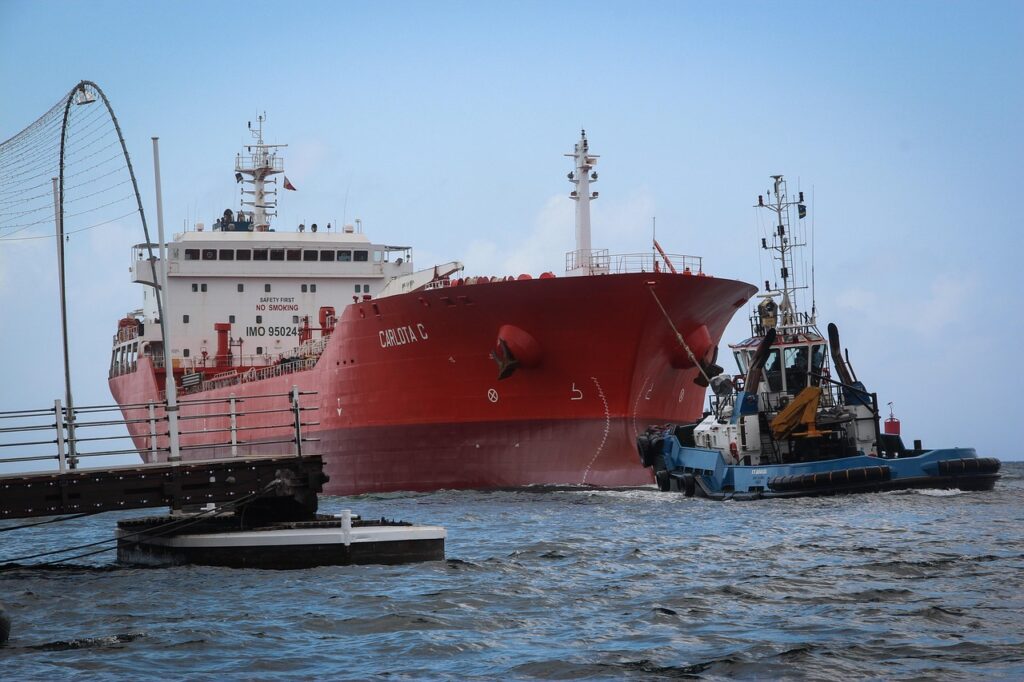

Current Status of Indian Vessels
Nine Indian-flagged merchant vessels, carrying a combined crew of over 190 seafarers, remain anchored in international waters near the Strait of Hormuz as of this week. The vessels have been effectively held in the region due to ongoing geopolitical instability, leaving the crew members in a state of professional and personal uncertainty as maritime authorities navigate complex diplomatic channels to secure their safe passage.
Context of Maritime Volatility
The Strait of Hormuz serves as one of the world’s most critical maritime chokepoints, through which approximately 20% of the world’s petroleum consumption passes. Increased military activity and heightened surveillance in the Gulf region have led to frequent disruptions for commercial shipping. For the Indian maritime sector, which provides a significant percentage of the global seafaring workforce, these incidents highlight the inherent risks of operating in high-tension maritime corridors.
Operational Challenges and Crew Welfare
The primary concern for shipping companies and maritime unions is the welfare of the 190-plus personnel currently stationed on the nine vessels. Prolonged anchorage in high-risk zones often leads to mental health challenges for crews, as well as logistical hurdles regarding the replenishment of fuel, fresh water, and food supplies. Maritime safety experts note that while the vessels are not currently under direct seizure, the lack of freedom of movement constitutes a significant operational bottleneck.
Expert Perspectives on Maritime Security
Industry analysts suggest that the situation reflects a broader trend of ‘grey-zone’ maritime interference, where commercial ships are used as leverage in regional geopolitical disputes. According to data from the International Maritime Bureau, incidents of boarding and harassment in the Middle East have seen a steady uptick over the past 24 months. Maritime security consultant Dr. Aris Thorne notes that ‘the vulnerability of merchant shipping in the Strait of Hormuz is at its highest point in a decade, requiring a multi-lateral approach to de-escalation that involves both flag states and regional powers.’
Industry Implications and Economic Impact
For the global logistics industry, the stagnation of these vessels signals potential delays in supply chains already strained by regional instability. Insurance premiums for vessels transiting the Strait have surged, with underwriters classifying the area as a ‘Listed Area’ for war risk. This development forces ship owners to weigh the economic necessity of the route against the rising costs of security and potential crew safety liabilities.
Future Outlook and Monitoring
Observers are now closely watching for signs of diplomatic intervention from the Indian Ministry of External Affairs, which has been in contact with regional authorities to facilitate the vessels’ departure. The focus remains on whether a ‘safe passage’ corridor can be established under international maritime law to allow these crews to return to their home ports. Stakeholders should monitor the ongoing communications between the involved nations and the International Maritime Organization (IMO) to assess whether this standoff sets a precedent for future commercial transit in the Gulf.