
Introduction to Structural Safety in Urban Areas
The safety of residential buildings in densely populated urban centers has once again come under intense scrutiny following recent tragic incidents. Authorities in the capital region are taking swift action to address compromised infrastructure. Structural integrity remains a primary concern for local administration and residents alike, prompting immediate inspections and emergency interventions across vulnerable neighborhoods.
Understanding the Risks of Tilting Structures
Recent investigations into structural failures reveal a troubling pattern regarding neglected maintenance. In the case of the Satya Niketan paying guest accommodation collapse, evidence suggests that the building had begun leaning significantly several months prior to the final failure. Unfortunately, many occupants remained completely unaware of these critical warning signs due to a lack of visible exterior damage or formal communication from property managers.
Emergency Demolitions and Preventive Measures
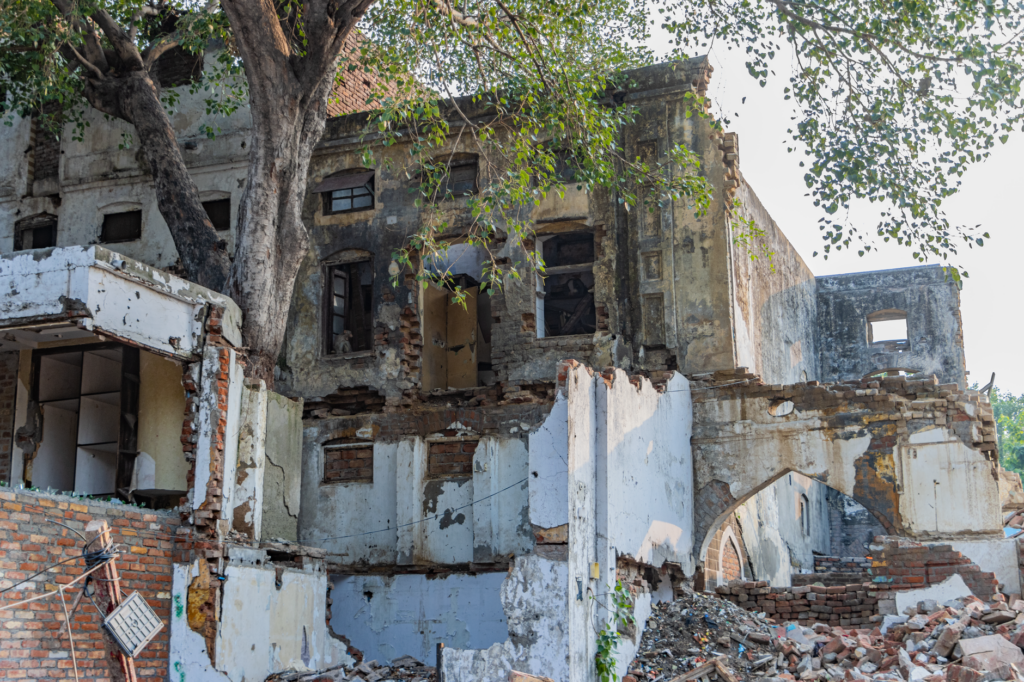
To prevent further loss of life and property, municipal corporations are stepping up their response efforts. Adjacent properties that show signs of severe deterioration or structural shifting are slated for immediate demolition. City officials are deploying heavy machinery and engineering experts to safely dismantle these hazardous structures without endangering neighboring homes or commercial establishments.
The Importance of Tenant Awareness
Living in urban paying guest accommodations and rented apartments requires vigilance regarding building safety. Tenants are frequently unaware of the structural history of the properties they inhabit. Experts recommend that renters look for clear red flags, such as unexplained wall cracks, jammed doors and windows, or uneven flooring, which may indicate foundational settling or structural distress.
Regulatory Oversight and Future Outlook
Local governing bodies face mounting pressure to enforce building codes strictly and conduct comprehensive audits of aging infrastructure. The prevention of future disasters relies heavily on proactive governance, routine structural assessments, and accountability for property owners who neglect essential repairs. As demolition drives continue across critical zones, the focus remains firmly on securing public safety and restoring confidence in urban residential housing.