
Market Overview and Currency Movements
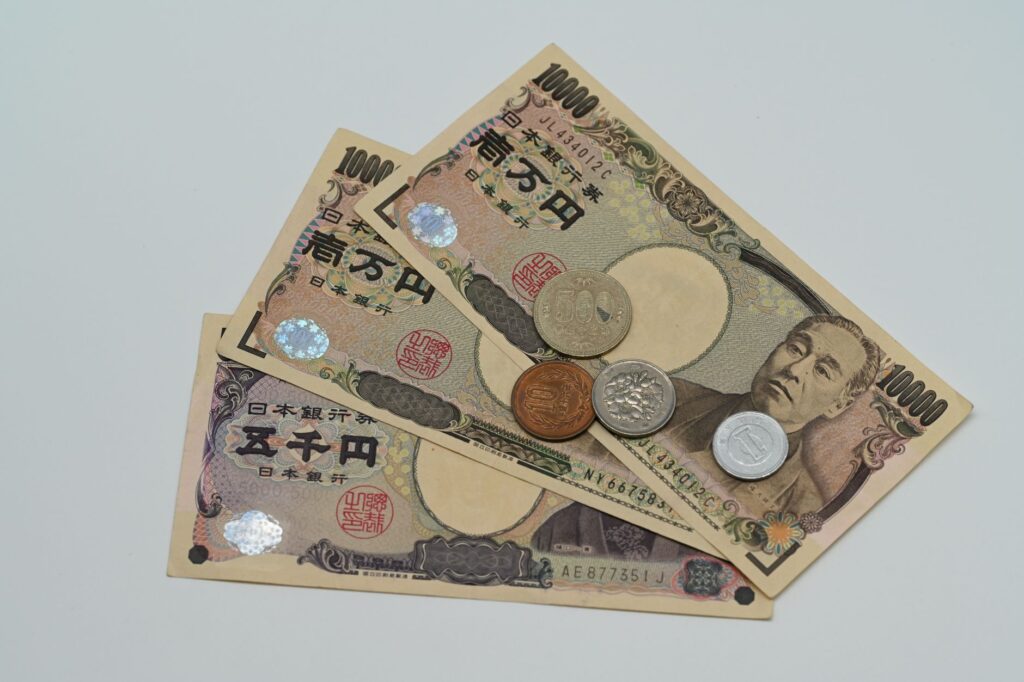
The Japanese currency achieved a notable advance during the mid-week trading session, drawing close to its strongest position recorded since the month of February. This upward momentum coincided with a sharp surge in global petroleum prices, which moved aggressively toward the threshold of one hundred dollars per barrel.
The underlying catalyst for this commodity rally stems from intensifying geopolitical friction within the Middle East region. As energy costs climb, broader financial market sentiment has cooled significantly, placing downward pressure on major global equities and risk-sensitive assets.
Impact on the US Dollar
While the Asian currency found robust support, the American dollar experienced increased vulnerability when measured against a basket of principal global currencies. Currency strategists noted that rising energy expenses often trigger inflation anxieties, complicating the economic outlook for net energy-importing nations.
Investors are currently recalibrating their portfolios to account for potential supply chain disruptions and higher production costs. Consequently, traditional safe-haven assets have witnessed shifting demand patterns, altering the typical trading dynamics observed in the foreign exchange market.
Anticipation Surrounding Inflation Metrics
Beyond immediate commodity pressures, financial market participants are maintaining a cautious stance as they await forthcoming United States inflation statistics. These upcoming economic data points are widely expected to influence future monetary policy decisions and interest rate trajectories.
Central bank officials closely monitor consumer price indices to gauge the effectiveness of current economic cooling measures. Any unexpected deviation in the inflation figures could trigger swift adjustments in monetary strategies, subsequently dictating the near-term direction of the greenback and global currency valuations.