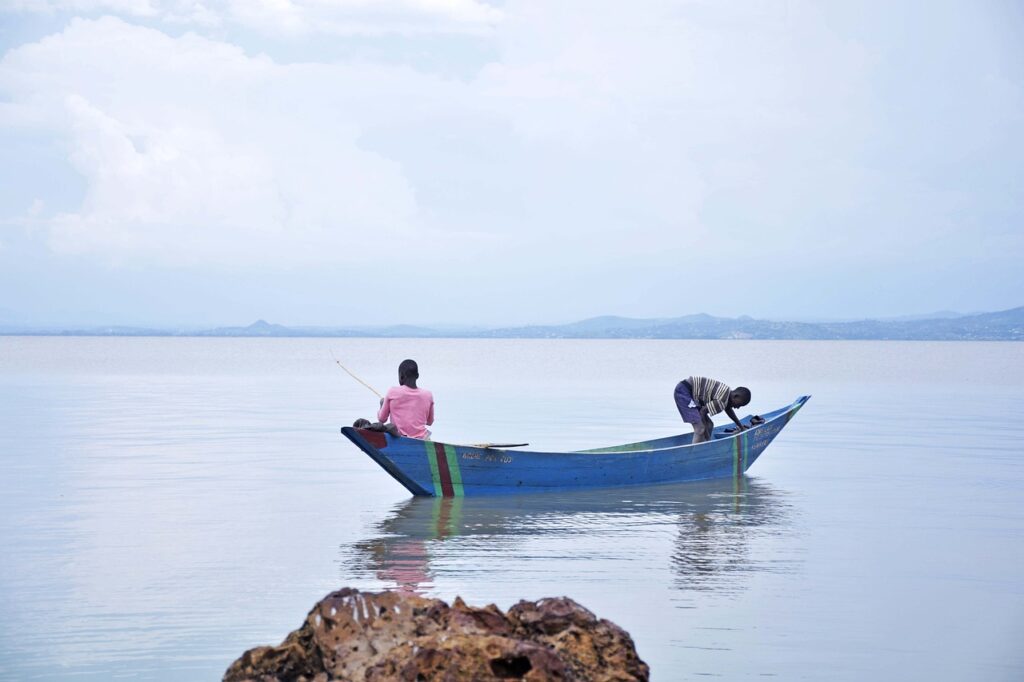

The Introduction of an Apex Predator
In the 1950s, colonial authorities introduced the Nile perch into Lake Victoria, the world’s largest tropical lake, triggering one of the most significant ecological disruptions in modern history. Designed to boost the local fishing industry, this decision fundamentally altered the lake’s biodiversity, leading to the extinction of hundreds of native cichlid species and reshaping the socio-economic landscape of East Africa.
The Context of Colonial Fisheries Management
Before the mid-20th century, Lake Victoria supported a diverse ecosystem of hundreds of cichlid fish species that sustained local communities for generations. British colonial officials, seeking to maximize commercial output, ignored warnings from biologists regarding the potential impact of introducing a large, voracious predator. They viewed the native fish as too small for efficient commercial exploitation and believed the Nile perch could provide a more lucrative harvest.
A Cascade of Ecological Collapse
The Nile perch, a species capable of growing over six feet in length and weighing hundreds of pounds, decimated the native cichlid populations with alarming speed. By the 1980s, the lake had undergone a trophic cascade, as the predatory fish cleared out the algae-eating cichlids, leading to massive algal blooms and oxygen depletion. According to data from the World Wildlife Fund, the introduction is estimated to have caused the extinction of more than 200 endemic fish species.
Economic Transformation and Social Costs
The rise of the Nile perch created a massive, export-oriented fishing industry that brought significant foreign currency to Kenya, Tanzania, and Uganda. However, this wealth was often concentrated among large-scale processors rather than local artisanal fishers. The shift to industrial fishing practices disrupted traditional food security, as high-quality perch were exported to European and Asian markets while local populations faced increased nutritional challenges.
Scientific Perspectives on Ecosystem Resilience
Ecologists note that the Lake Victoria case serves as a quintessential example of the risks associated with invasive species in closed ecosystems. Research published in the journal Nature indicates that while the lake has shown some signs of biological recovery, the original ecosystem remains permanently altered. The loss of specialized cichlids means the lake’s natural ability to filter water and maintain nutrient balance is fundamentally impaired compared to pre-1950 levels.
Future Implications and Ecosystem Monitoring
The legacy of the Nile perch necessitates a shift toward more cautious environmental management in the Great Lakes region of Africa. Regulatory bodies are now focusing on sustainable harvest quotas and the protection of remaining endemic species to prevent further loss of biodiversity. Observers should monitor upcoming international policies regarding invasive species management and the restoration of native habitats within the Lake Victoria basin to see if the current ecological equilibrium can be maintained or improved.