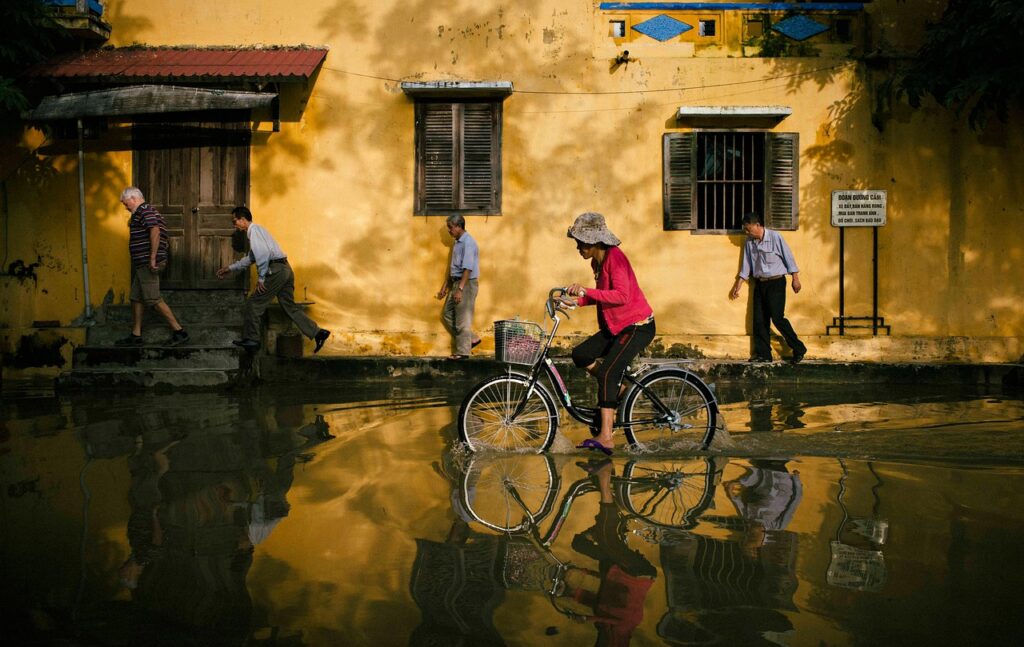

Widespread Disruption as Monsoon Envelops India
The annual monsoon has officially covered the entire Indian subcontinent this week, triggering severe flooding, catastrophic waterlogging, and massive transportation gridlock in major urban centers and rural districts alike. As the India Meteorological Department (IMD) confirms the seasonal progression, state governments in Maharashtra and Kerala are leading emergency response efforts to mitigate the impact of relentless rainfall that has resulted in significant property damage and infrastructure strain.
The Seasonal Context
The Indian monsoon is a critical meteorological event that dictates the nation’s agricultural health and water security, typically arriving in June and lasting through September. While essential for recharging reservoirs and sustaining crops, the current intensity has exceeded seasonal averages, catching municipal drainage systems off guard. Historical data from the IMD shows that climate variability has led to more frequent ‘extreme rainfall events’ over the last decade, compressing massive volumes of precipitation into shorter timeframes.
The Scale of the Impact
In Mumbai, the financial capital of India, heavy rains have stalled suburban railway services, which serve as the city’s lifeline for millions of daily commuters. Social media platforms are flooded with footage of submerged vehicles and inundated residential blocks, illustrating the severity of the urban flooding. Meanwhile, in Kerala, state authorities have ramped up rescue operations in low-lying areas, where rising river levels threaten to displace thousands of households.
The IMD has issued red and orange alerts across several states, signaling the potential for landslides and structural collapses. Traffic management systems in major hubs have faced near-total failure, with authorities advising citizens to avoid non-essential travel as visibility remains dangerously low. The strain on emergency services is compounded by the sheer geographic scale of the weather front, which now spans from the southern tip of the peninsula to the northern plains.
Expert Perspectives
Meteorological experts suggest that the current pattern is driven by a combination of atmospheric instability and oceanic warming. “We are witnessing a shift where the monsoon is no longer a steady, predictable phenomenon, but a series of high-intensity bursts,” noted a climate researcher familiar with regional weather modeling. Data from the Ministry of Earth Sciences indicates that urban planning in India has historically failed to keep pace with the increasing intensity of these weather patterns, leaving cities vulnerable to rapid flooding.
Industry and Social Implications
For the agricultural sector, the excessive rainfall presents a mixed outlook. While the moisture is vital for the Kharif crop season, prolonged waterlogging risks damaging delicate seedlings and delaying planting schedules. Logistics and supply chains are also facing significant delays, as roadway flooding prevents the movement of perishable goods and raw materials, potentially impacting retail pricing in the coming weeks.
As the monsoon season continues, the primary focus for authorities will remain on disaster mitigation and the maintenance of essential services. Industry analysts suggest that the coming weeks will likely see increased budget allocations for urban drainage upgrades and climate-resilient infrastructure. Observers should monitor future IMD bulletins, as the current forecast indicates that the volatility of this monsoon cycle is expected to persist through the mid-season, necessitating continued vigilance from both the public and local government agencies.