
Energy Access Challenges in Modern Communities
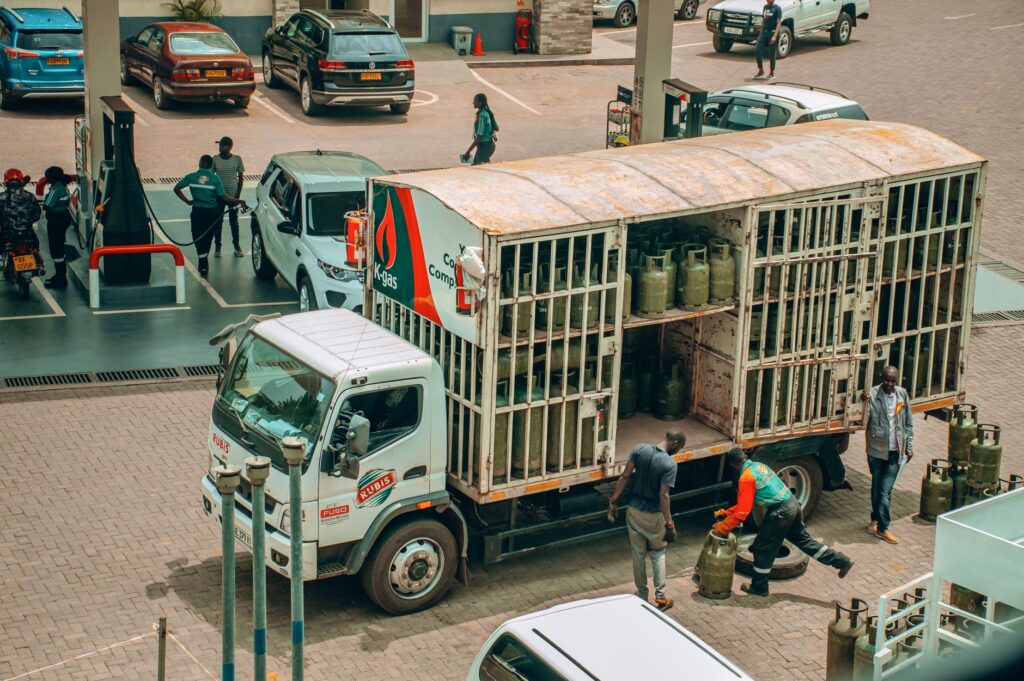
Access to reliable and affordable cooking fuel remains a critical daily challenge for many residential communities. Households across various regions find themselves in a difficult position due to regulatory limits on liquefied petroleum gas cylinders alongside a distinct lack of piped natural gas distribution networks.
Economic Hurdles in Pipeline Expansion
The transition toward cleaner piped energy systems faces significant roadblocks primarily driven by high installation expenses. Utility providers often encounter substantial financial barriers when attempting to extend infrastructure into outlying neighborhoods. These elevated capital requirements frequently stall development projects before last-mile connectivity can be achieved.
Regulatory Penalties and Growth Deterrents
Compounding the infrastructure deficit are existing regulatory frameworks that feature modest financial penalties for network delays rather than robust incentives for rapid expansion. Because the monetary penalties for failing to reach remote sectors are relatively low, utility operators often prioritize densely populated urban zones instead of risking capital in peripheral regions.
Impact of LPG Restrictions on Consumers
While infrastructure growth lags behind demand, tightening rules surrounding liquefied petroleum gas supplies create additional pressure for everyday consumers. Households that rely on traditional cylinder allocations face stringent purchasing caps and rising market rates. Without access to a functional piped gas network as a viable alternative, these residents struggle to secure affordable energy for their daily needs.
Navigating the Path Forward
Resolving this widespread energy access issue demands a coordinated strategy between policymakers, utility providers, and local municipal authorities. Adjusting financial incentives, streamlining infrastructure approvals, and addressing the root causes of deployment delays will be essential steps toward ensuring that every household can secure reliable and cost-effective cooking fuel.