
Urban Planning Challenges in Modern India
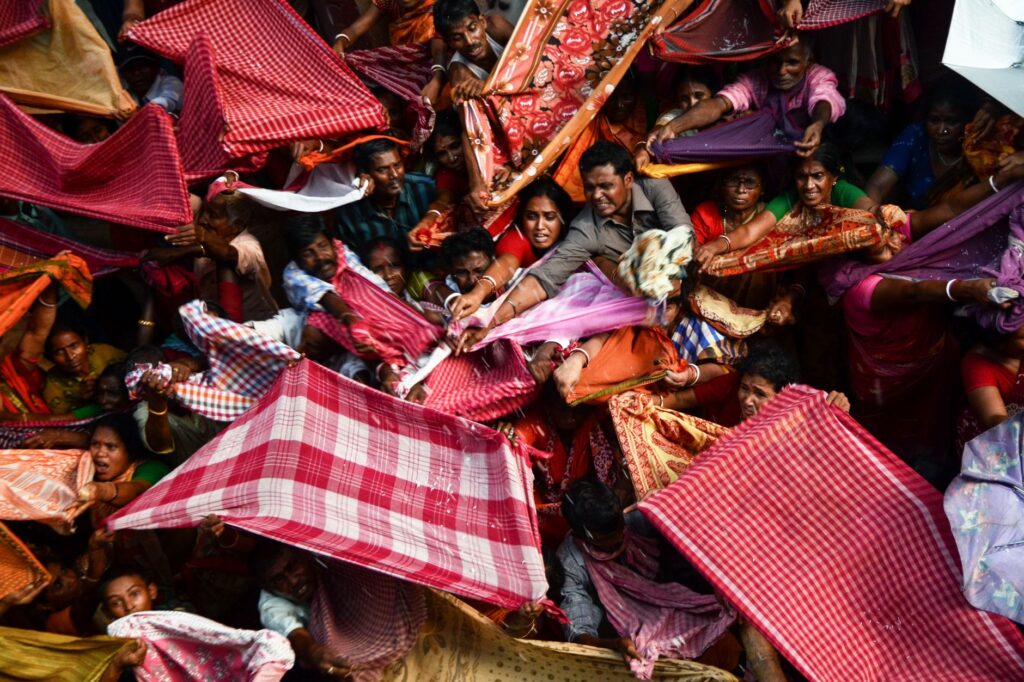
India is experiencing a rapid densification of its major metropolitan areas. As more residents move into urban centers, the physical space remains largely unchanged. Cities are steadily compressing growing populations into the same historical streets, public squares, and traditional festival pathways that were designed centuries ago.
The Heritage Infrastructure Dilemma
Historic urban quarters are architectural treasures, yet they pose significant logistical challenges for modern crowd management. Narrow roads and winding alleyways are intrinsically unequipped to handle the massive volumes of pedestrians drawn to contemporary events and celebrations. When thousands of people converge on these legacy lanes simultaneously, the margin for error diminishes rapidly.
Lessons from the Kolkata Incident
The tragic events of the recent Kolkata stampede brought these structural vulnerabilities into sharp focus. Emergency responders and municipal planners faced severe constraints when trying to navigate heavily congested corridors. The tragedy underscores an urgent need to rethink how historical urban spaces are utilized during peak gathering periods.
Balancing Tradition and Public Safety
City authorities now face the delicate task of preserving cultural heritage while prioritizing public safety. Restricting access to certain historical zones can spark public backlash, yet failing to control population density invites disaster. Urban planners must find innovative ways to regulate foot traffic without erasing the cultural significance of traditional celebration routes.
Strategies for Future Urban Management
Moving forward, municipal corporations must implement proactive crowd control measures. This includes establishing clear pedestrian flow channels, deploying real-time density monitoring technologies, and identifying alternative evacuation pathways in older neighborhoods. Upgrading emergency preparedness within legacy districts is no longer optional; it is a fundamental requirement for safeguarding urban residents.