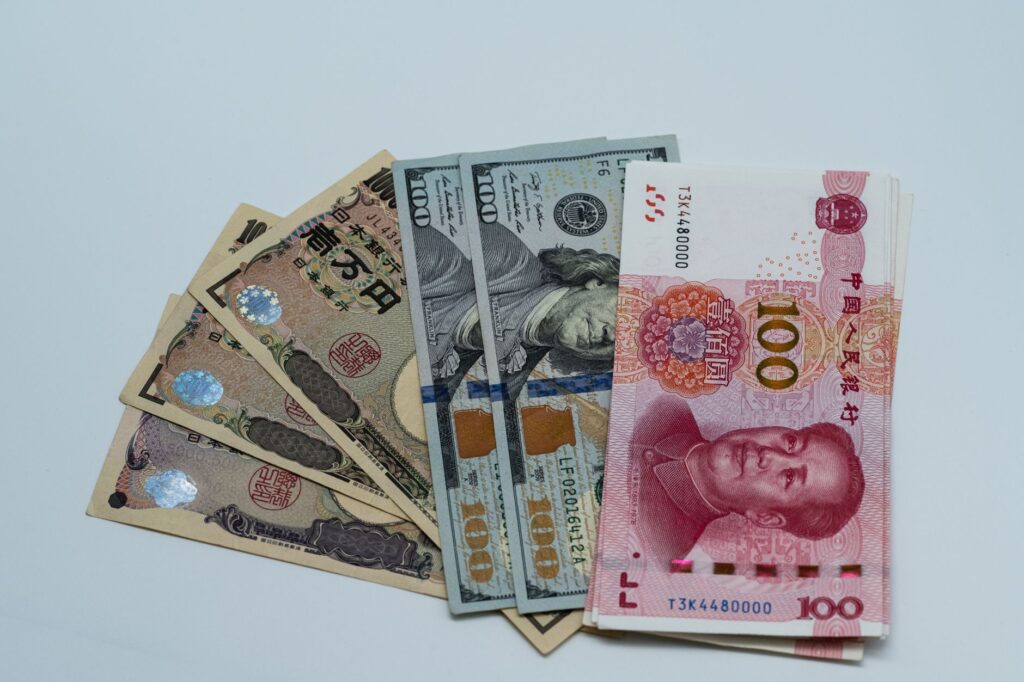

Expanding Global Access to Chinese Markets
Beijing has unveiled ambitious plans to broaden international investor access to yuan-denominated financial instruments. This strategic initiative is designed to enhance the international standing of China’s currency and facilitate smoother capital flows between domestic markets and international participants. By opening doors wider, authorities hope to attract sustained foreign capital and integrate mainland markets more deeply with the global economy.
Strengthening Hong Kong as an Offshore Hub
A central pillar of this financial strategy involves reinforcing Hong Kong and its pivotal position as the premier offshore yuan trading center. Financial policymakers intend to leverage the city’s sophisticated infrastructure, regulatory framework, and global connectivity to channel foreign investments into mainland assets. This move solidifies Hong Kong status as a vital bridge connecting international capital with Chinese financial opportunities.
Regulating Artificial Intelligence Investment Risks
Even as policymakers push for broader financial openness, financial watchdogs have issued cautious warnings regarding rapid capital deployment into artificial intelligence technologies. Regulators noted that surging investments in the technology sector are beginning to trigger notable vulnerabilities. These concerns center around escalating financial leverage, climbing borrowing costs, and the potential threat of broader economic instability if the capital expansion goes unchecked.
Balancing Growth and Financial Stability
The dual approach highlights the complex balancing act facing financial administrators in Beijing. On one hand, authorities are eager to internationalize their currency and stimulate market participation through strategic liberalization. On the other hand, vigilant oversight remains essential to monitor corporate borrowing and mitigate systemic risks arising from overheated sectors like artificial intelligence.