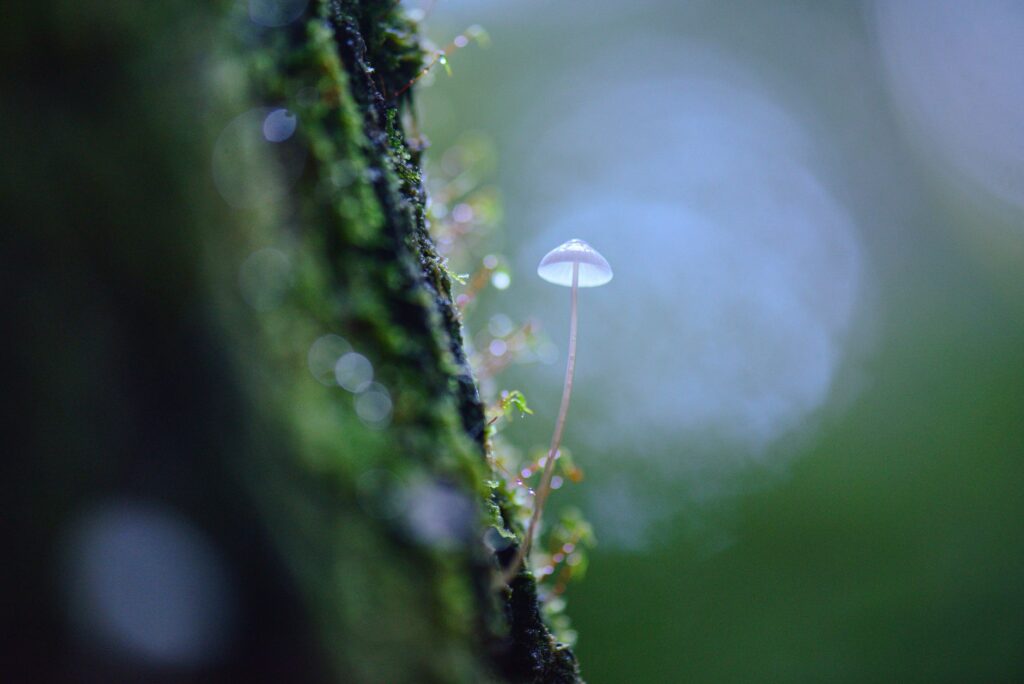

A team of student researchers and scientists from Yale University has discovered a rare species of fungus in the Ecuadorian Amazon rainforest capable of degrading polyurethane, a notoriously resilient plastic, even in oxygen-depleted environments. The study, published in the peer-reviewed journal Applied and Environmental Microbiology, reveals that the fungus, Pestalotiopsis microspora, can survive solely on polyurethane as its primary carbon source. This breakthrough offers a promising, nature-based solution to the escalating global crisis of landfill waste, where billions of tons of synthetic materials remain trapped without decomposing.
The Search for Solutions in the Biodiverse Amazon
The discovery occurred during Yale’s annual Rainforest Expedition and Laboratory course, which takes undergraduates to highly biodiverse regions to collect endophytes—microorganisms that live inside plant tissues. Led by molecular biochemistry professor Scott Strobel, the expedition focused on finding organisms with unique chemical properties in the Yasuní National Park in Ecuador.
Polyurethane is widely used in the manufacturing of synthetic fibers, foam insulation, hoses, and hard plastics. Despite its ubiquity, the material is highly resistant to natural degradation, meaning it typically persists in landfills for hundreds of years. The Yale team set out to find organisms that could break the strong chemical bonds holding these polymers together.
Upon analyzing the collected samples, researchers identified that Pestalotiopsis microspora was not only able to clear a pathway through a solid sheet of polyurethane but was also actively digesting it. This marked the first time a fungus had been observed performing this process under both aerobic and anaerobic conditions.
Unlocking the Anaerobic Secret
The most significant aspect of the discovery is the fungus’s ability to survive and thrive without oxygen. Most previously identified plastic-degrading microbes require oxygen to fuel their metabolic processes, limiting their usefulness to surface-level waste treatment.
In contrast, Pestalotiopsis microspora can operate at the bottom of landfills, waste pits, and ocean sediment where oxygen is virtually nonexistent. The fungus secretes a specific enzyme, identified by the researchers as a member of the serine hydrolase family, which breaks the chemical bonds of the polyurethane.
According to the published study, the enzyme effectively hydrolyzes the plastic, converting the complex synthetic polymer into simpler organic compounds that the fungus can digest. This metabolic pathway allows the organism to use the plastic as its sole source of nutrition, effectively clearing the waste material.
Expert Perspectives and the Scale of the Plastic Problem
Environmental scientists and waste management experts have expressed cautious optimism about the findings. According to data from the Environmental Protection Agency (EPA), global plastic production has reached over 380 million metric tons annually, with only a small fraction successfully recycled.
“The ability of this organism to degrade polyurethane in anaerobic conditions is a game-changer for landfill bioremediation,” said Dr. Jonathan Russell, one of the lead researchers on the study. He noted that while mechanical and chemical recycling methods exist, they are often energy-intensive and cost-prohibitive compared to biological solutions.
However, some experts warn that scaling this biological process presents significant engineering challenges. Translating a laboratory-controlled fungal reaction into a functional, industrial-scale waste management facility requires substantial investment and further testing to ensure no harmful byproducts are released during the decomposition process.
Future Horizons and Industrial Challenges
Moving forward, the research community is focusing on isolating the specific gene responsible for producing the plastic-degrading enzyme. By isolating this gene, scientists hope to clone and mass-produce the enzyme synthetically, bypassing the need to cultivate massive quantities of live fungi.
The next phase of research will also involve testing the enzyme against other widely used plastics, such as polyethylene terephthalate (PET) and polystyrene, to determine if its degrading capabilities extend beyond polyurethane. Additionally, environmental impact assessments must be conducted to ensure that introducing these enzymes or genetically modified fungi into landfills does not disrupt local ecosystems.
Industry observers will be watching closely to see if biotechnology firms partner with waste management corporations to pilot this technology in commercial landfills over the coming decade.