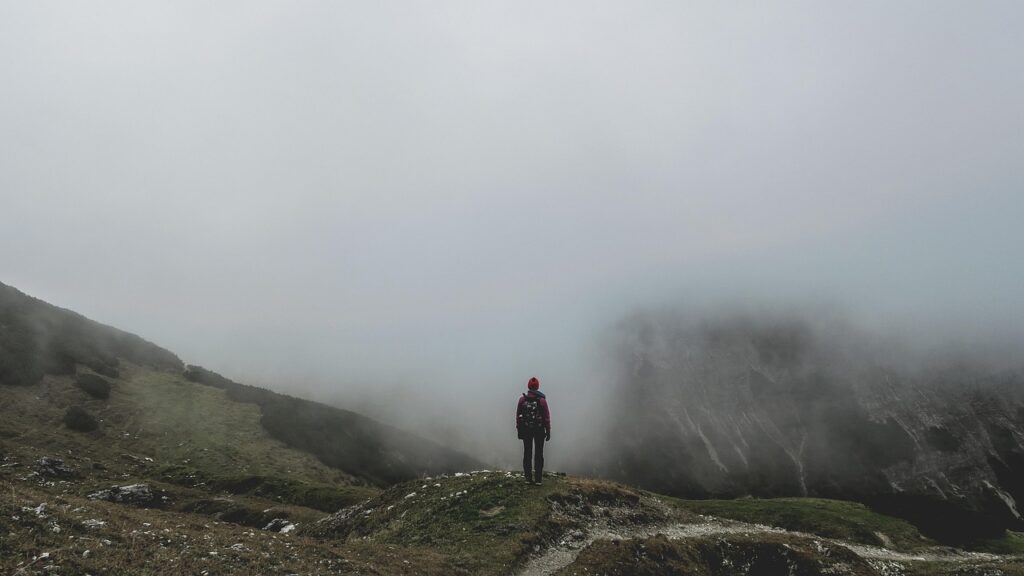

On Friday, administrative authorities in Jammu and Kashmir temporarily suspended the annual Amarnath and Vaishno Devi pilgrimages due to inclement weather and deteriorating trail conditions. The precautionary measure aims to ensure the safety of tens of thousands of pilgrims currently traversing the Himalayan tracks. Heavy rainfall, triggered by the active monsoon cycle, has caused landslides and reduced visibility along the key transit routes.
The suspension halts movement along both the traditional Pahalgam route and the steeper Baltal route for the Amarnath Yatra. Concurrently, registration and movement along the track leading to the Vaishno Devi shrine in Katra have been put on hold. Authorities have advised all registered pilgrims to remain at their designated base camps and transit accommodation until weather conditions improve.
Understanding the Significance of the Yatras
The Amarnath and Vaishno Devi pilgrimages represent two of the most significant spiritual journeys in Hinduism, attracting millions of devotees to the region annually. The Amarnath Yatra involves a challenging trek to a cave shrine situated at an altitude of approximately 3,888 meters in the south Kashmir Himalayas. This shrine houses an ice stalagmite revered as a physical manifestation of Lord Shiva, which is only accessible during a brief summer window.
Conversely, the Vaishno Devi Yatra operates year-round in the Trikuta Hills of Jammu’s Reasi district, drawing over eight million pilgrims each year. However, the monsoon season brings heightened risks to both regions, making the steep, mountainous pathways highly susceptible to mudslides and shooting stones. Managing these massive crowds under volatile meteorological conditions remains a perpetual challenge for regional planners.
Logistical Response and Safety Measures
Following the suspension order, emergency response teams activated contingency plans to accommodate stranded travelers. The Shri Amarnathji Shrine Board (SASB) and the Shri Mata Vaishno Devi Shrine Board (SMVDSB) have converted local community halls, schools, and transit camps into temporary shelters. Free meals, medical assistance, and real-time updates are being provided to the yatris at these locations.
Security forces, including the National Disaster Response Force (NDRF), the State Disaster Response Force (SDRF), and the Indian Army, have been deployed at critical choke points. These personnel are monitoring water levels in local rivers, particularly the Lidder and Sindh, which are prone to sudden rises during heavy downpours. Debris clearance machinery has also been stationed along the national highways to quickly resolve road blockages.
Data, Safety Records, and Expert Outlook
The decision to halt the pilgrimages comes in the wake of lessons learned from previous environmental disasters in the region. In July 2022, a sudden cloudburst near the Amarnath holy cave triggered localized flash floods, resulting in at least 16 fatalities and leaving dozens injured. Since that tragedy, the Indian Meteorological Department (IMD) has upgraded its radar tracking and weather forecasting capabilities in the high-altitude zone.
Local meteorological experts report that the current weather system is driven by a strong Western Disturbance interacting with monsoon winds. “We are observing intense precipitation patterns across the Jammu and Kashmir divisions,” stated a regional meteorologist. “The high-altitude terrain cannot absorb this volume of water rapidly, increasing the risk of flash floods and shooting stones on the tracks.”
Economic and Regional Implications
The temporary halt of these major pilgrimages carries significant economic consequences for the union territory of Jammu and Kashmir. The hospitality sector, local transport operators, pony wallahs, and helicopter service providers rely heavily on the continuous flow of pilgrims during this peak season. A prolonged suspension could disrupt local livelihoods that depend entirely on the two-month-long Amarnath Yatra window.
Additionally, the suspension strains the regional administrative infrastructure, as resources must be diverted to manage the logjam of vehicles and travelers along the Jammu-Srinagar National Highway. Traffic authorities have restricted the movement of fresh pilgrim convoys from Jammu to prevent further overcrowding at the base camps in Kashmir.
What to Watch Next
Moving forward, the resumption of both pilgrimages depends entirely on a sustained improvement in weather conditions and subsequent safety clearances from engineering teams. The Border Roads Organisation (BRO) is actively conducting track assessments to ensure structural integrity before allowing pilgrims to proceed. Travelers are urged to monitor official social media handles and radio broadcasts for the latest travel advisories.
Observers will also watch how effectively the newly implemented Radio Frequency Identification (RFID) tracking system performs in managing crowd distribution during this disruption. This technology allows authorities to monitor the exact location of every registered pilgrim, a tool that will prove invaluable once the green light is given to resume the journeys.