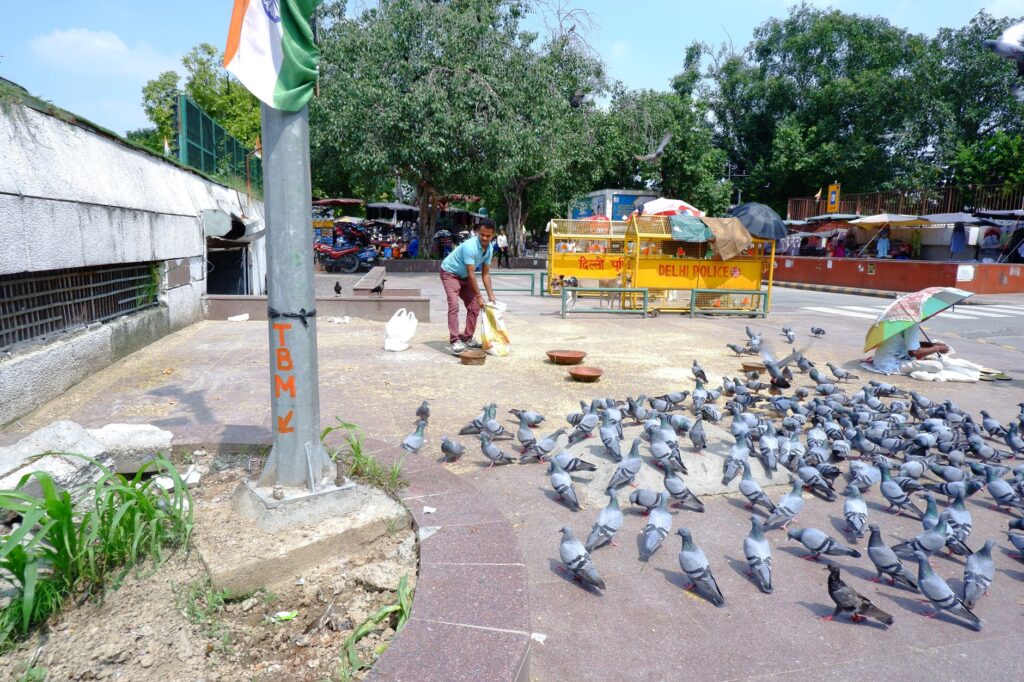

The Delhi Police on Thursday officially denied permission for a proposed march to Parliament scheduled for July 20, citing strict prohibitory orders currently active across the New Delhi district. Authorities announced that no prior permission was sought or granted to the organizers, Citizens for Justice and Peace (CJP), warning that any unauthorized gatherings will face immediate legal action. The administrative decision comes ahead of the upcoming Parliament session, during which security measures across the capital are traditionally heightened to prevent disruption.
Security Crackdown and Legal Mandates
Law enforcement officials confirmed that the entire New Delhi district remains under prohibitory orders that strictly ban the assembly of five or more people. Police personnel have deployed additional checkpoints and barricades at key entry points leading to the high-security zone surrounding the Parliament building. According to official statements, these measures aim to preserve public order and ensure the smooth conduct of legislative proceedings.
Under the newly enacted Bharatiya Nyaya Sanhita (BNS), which replaced the colonial-era Indian Penal Code earlier this month, unauthorized assemblies carry stricter penalties. Section 223 of the BNS, which deals with disobedience to orders promulgated by public servants, will be actively enforced against violators. Police representatives urged the public and civil society organizations to cooperate with law enforcement to maintain peace in the capital.
Judicial Precedent and the Right to Protest
The administrative block on the July 20 march aligns with recent judicial trends in the national capital concerning public demonstrations. The Delhi High Court recently upheld the Union Government’s intervention during the high-profile hunger strike of climate activist Sonam Wangchuk. In that ruling, the court recognized the state’s authority to regulate public gatherings when national security or public order is deemed at risk.
Legal analysts note that this judicial backing provides a strong precedent for law enforcement agencies seeking to restrict protests. “The courts are increasingly balancing the fundamental right to protest with the state’s duty to maintain public order,” said Rajiv Mehta, a senior constitutional lawyer based in New Delhi. This balance, Mehta added, often tilts toward administrative discretion during sensitive periods like active parliamentary sessions.
The Transition to Bharatiya Nyaya Sanhita
The denial of permission for the CJP march represents one of the first major test cases of protest regulation under the newly implemented BNS laws. Civil rights advocates have raised concerns that the new legal framework grants broader discretionary powers to the police to disperse assemblies. Conversely, government officials maintain that the updated laws streamline public safety protocols and modernize the judicial process.
The Citizens for Justice and Peace (CJP), an organization known for its advocacy on human rights and democratic freedoms, had planned the march to highlight key legislative demands. Organizers intended to present a memorandum to parliamentarians on the opening days of the session, focusing on civil liberties and social justice issues. However, the lack of official clearance effectively halts these plans, forcing the group to reconsider its strategy.
Data from the Ministry of Home Affairs indicates a steady increase in security deployments around the central vista of New Delhi over the past three years. This trend reflects a broader strategy to centralize protest venues, redirecting major demonstrations to designated areas like Jantar Mantar or Ramlila Maidan. By restricting access to the immediate vicinity of Parliament, authorities argue they can minimize traffic disruptions and security vulnerabilities.
Implications for Civil Society and Public Order
The police’s uncompromising stance signals a challenging environment for non-governmental organizations and activist groups seeking direct engagement with lawmakers. By restricting protests near the seat of government, the administration limits the visibility of grassroots campaigns during crucial legislative debates. This shift could force advocacy groups to pivot toward digital campaigns or alternative legal avenues to voice their grievances.
For the residents and commuters of New Delhi, the strict enforcement of prohibitory orders promises reduced traffic congestion but comes at the cost of visible security cordons. Commuters should expect localized diversions, metro station closures, and heightened identity checks near government offices on July 20. Businesses operating in the central business district are also preparing for potential disruptions due to the heavy police presence.
What to Watch Next
As July 20 approaches, observers will closely monitor whether CJP or affiliated groups attempt to challenge the police order in court. A last-minute legal appeal could test the limits of the new BNS provisions regarding public assembly. Furthermore, the response of opposition lawmakers inside Parliament to these external security measures will likely shape the political discourse of the upcoming session.
The international community and domestic human rights watchdogs are also expected to document the handling of any spontaneous demonstrations. How the Delhi Police manages potential flashpoints on Saturday will set a crucial precedent for policing protests under India’s new criminal laws. The unfolding situation will serve as a key indicator of the future of public dissent in the world’s most populous democracy.