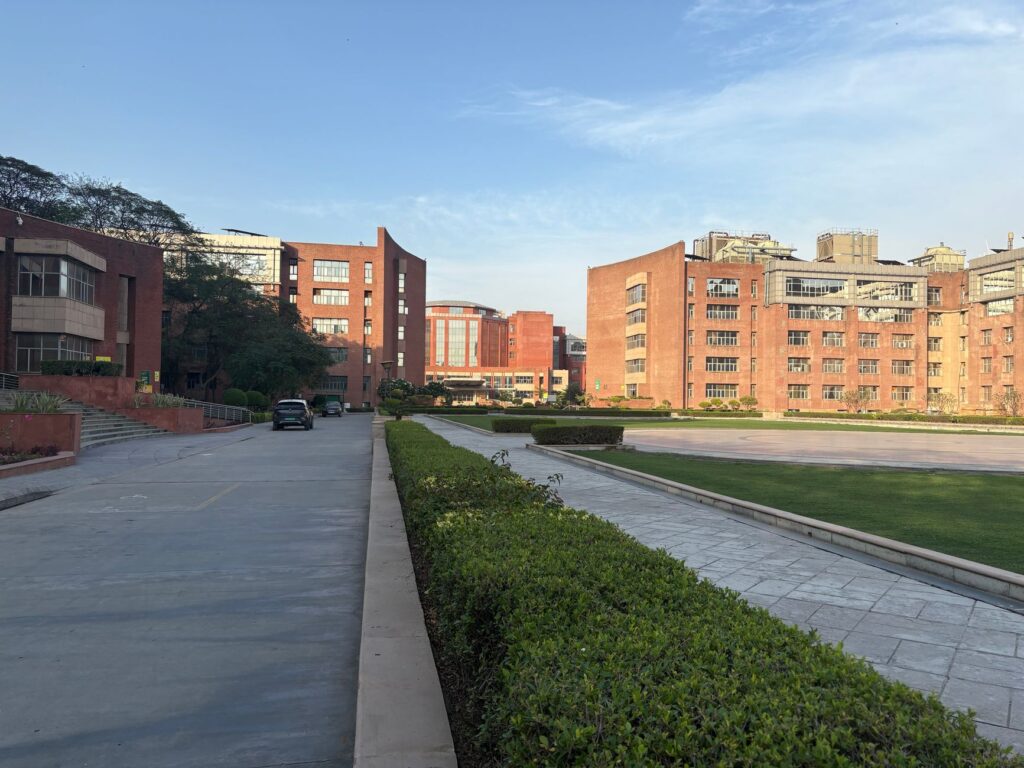

In Rampur, Uttar Pradesh, local administration officials issued a demolition order this week targeting 38 buildings at the Mohammad Ali Jauhar University, founded by prominent Samajwadi Party leader Azam Khan. The directive, issued under Section 27(1) of the Uttar Pradesh Urban Planning and Development Act, 1973, has ignited a fierce political confrontation between the ruling Bharatiya Janata Party (BJP) and opposition forces. Authorities state the decision followed a comprehensive hearing and a meticulous examination of land and construction records.
The Legal and Political Context of Jauhar University
Established in 2006, the Mohammad Ali Jauhar University has long stood as a flagship project for Azam Khan, a founding member of the Samajwadi Party (SP) and a highly influential figure in Rampur politics. However, the institution has remained at the center of intense legal scrutiny since the BJP assumed power in Uttar Pradesh in 2017. Over the past several years, state authorities have launched multiple investigations into the acquisition of the university’s land.
The latest administrative action hinges on Section 27(1) of the state’s 1973 urban planning law, which empowers development authorities to order the demolition of structures built without requisite approvals or in violation of master plans. According to Rampur district officials, the university administration failed to produce sanctioned maps and layouts for the 38 disputed structures during the designated hearings. This regulatory lapse prompted the Rampur Development Authority (RDA) to order the clearance of the unauthorized constructions.
Administrative Findings and Demolition Orders
The RDA’s investigation revealed that the targeted buildings, which include academic blocks, hostels, and administrative offices, were constructed without the mandatory clearances from local planning bodies. Investigators also scrutinized the land deeds, alleging that parts of the university campus sit on public utility land, including local riverbeds and government-owned properties. The state government maintains that the demolition order represents a routine enforcement of urban planning laws rather than a targeted political action.
Supporters of the administration point out that the university had received multiple notices over the last few years to regularize the constructions or present valid documentation. “The law must take its course, and no institution, regardless of its political patronage, is exempt from local building bylaws,” stated a senior district official who requested anonymity. The official added that the university authorities had ample opportunity to present their case during the multi-layered administrative hearings.
Opposition Cries Political Vendetta
The Samajwadi Party and the Congress party quickly condemned the demolition order, labeling it a blatant act of political vendetta by the Yogi Adityanath-led BJP government. Opposition leaders argue that the state is weaponizing administrative machinery to systematically dismantle the legacy of its political rivals. They emphasize that targeting an educational institution harms the future of thousands of students enrolled in various academic programs.
In a joint statement, opposition representatives accused the ruling party of utilizing “bulldozer politics” to bypass judicial processes and intimidate opponents. “Demolishing educational infrastructure under the guise of technical violations is an assault on education itself,” a Samajwadi Party spokesperson stated. The party has vowed to challenge the RDA’s order in the high court, seeking an immediate stay on any physical demolition work.
Legal Experts Weigh in on Regulatory Enforcement
Legal analysts suggest that while the state has the authority to enforce building regulations, the scale of the ordered demolition at an active educational institution is highly unusual. Legal experts point out that courts often lean toward compounding minor violations through fines rather than ordering outright demolition, especially when public interest assets like universities are involved. However, if the land itself is proven to be illegally acquired or public property, the legal defense for the structures becomes significantly weaker.
According to court records, Azam Khan faces over 80 criminal cases, ranging from land grabbing and book theft to criminal intimidation, many of which are directly linked to the establishment of the university. The politician has already served jail time in connection with several of these cases, and his family members have also faced legal prosecution. This broader legal context complicates the university’s defense, as the state positions the demolition as part of a larger anti-encroachment drive against illegal land acquisitions.
Future Implications for Regional Politics and Education
The impending administrative action carries major implications for the political climate of Uttar Pradesh. With regional elections and local polls on the horizon, the confrontation over Jauhar University will likely serve as a central campaign issue, rallying opposition voters against what they perceive as state overreach. Conversely, the BJP is poised to project the action as a demonstration of its zero-tolerance policy toward corruption and illegal land occupation.
For the students and faculty of Mohammad Ali Jauhar University, the immediate future remains highly uncertain. If the demolition proceeds, it could disrupt ongoing academic sessions, force the relocation of departments, and damage the institution’s accreditation status. Observers are now watching the Allahabad High Court, where the university’s legal team is expected to file an urgent petition to halt the bulldozers and secure a judicial review of the RDA’s findings.