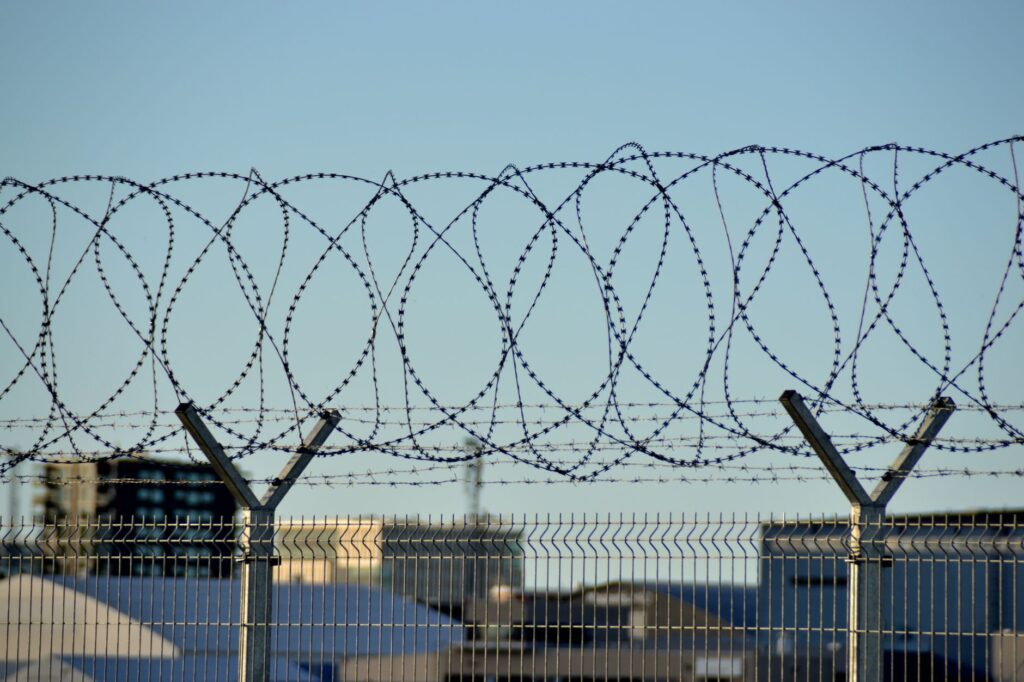

The historical narrative presented by authorities across the border regarding the population in the region has faced intense scrutiny recently. Observers note that long-standing public personas are giving way to starkly different ground realities as civil unrest and administrative measures unfold in the territory.
Contrasting Approaches to Regional Security
The security apparatus deployed in the region has operated under various mandates over the years. Analysts examining the situation point to a sharp divergence in how communities are treated on either side of the dividing line. While one side emphasizes developmental integration and institutional support, the other faces severe accusations regarding governance, heavy-handed crackdowns, and systemic suppression of local populations.
Shifting Public Sentiments in the Territory
Recent events in the territory have brought widespread discontent to the forefront. Public demonstrations and subsequent responses from authorities highlight a growing rift between the populace and the ruling establishment. Observers emphasize that decades of official rhetoric are increasingly failing to mask the underlying grievances of residents who demand basic civil liberties and economic stability.
Implications for Regional Stability
The ongoing developments carry significant weight for geopolitical dynamics in South Asia. As internal pressures mount and administrative measures draw international attention, the future trajectory of the region remains uncertain. Analysts continue to monitor how governance models and security strategies will evolve in response to persistent public dissatisfaction and shifting political landscapes.