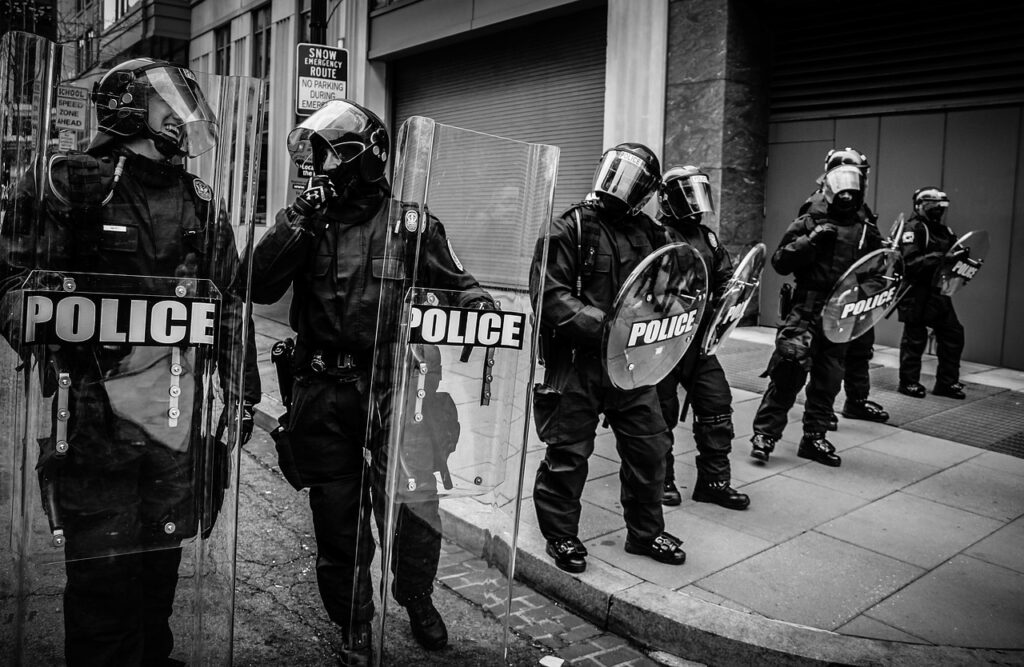

Indian opposition leaders participating in the INDIA bloc were intercepted and stopped by law enforcement authorities in New Delhi on Thursday while marching in solidarity with thousands of students protesting the NEET-UG medical entrance examination paper leak.
The demonstration, organized to demand accountability and justice for affected aspirants, aimed to reach prominent city landmarks including India Gate and Gandhi Smriti. Senior opposition figures, led by Congress leader Rahul Gandhi, attempted the march following a strategic meeting at Gandhi’s residence, which faced heavy police deployment throughout the morning.
The controversy stems from widespread irregularities, grace mark controversies, and alleged paper leaks surrounding the National Eligibility-cum-Entrance Test Undergraduate (NEET-UG) conducted earlier this year. Millions of medical aspirants have taken to the streets nationwide, demanding a complete overhaul of the National Testing Agency and a re-examination to ensure academic fairness.
Opposition parties have seized the momentum to challenge the ruling administration over administrative failures in handling national competitive exams. By aligning with the student demographic, the INDIA bloc seeks to amplify systemic grievances regarding youth unemployment and institutional corruption.
During the aborted march, Rahul Gandhi directly addressed the gathered students and media representatives to reinforce political backing. ‘We are with you,’ Gandhi stated, assuring protesters that the opposition coalition intends to raise the issue aggressively in Parliament.
Law enforcement officials defended the movement restrictions by citing security protocols and prohibitory orders around central Delhi zones. Heavy barricading effectively halted the procession, leading to brief standoffs between opposition leaders, supporters, and police personnel.
Independent data from student unions indicate that over 24 million candidates registered for various competitive examinations in India this year, highlighting immense pressure on testing infrastructure. Critics argue that recurrent paper leaks erode public trust in meritocratic systems and jeopardize the future of India’s youth.
Educational analysts point out that systemic reforms are urgently required to restore credibility to national entrance tests. The centralization of testing processes without adequate technological safeguards has left vulnerable loopholes exploited by organized cheating rings.
For the broader political landscape, the convergence of student activism and opposition strategy signals a renewed push for legislative accountability during upcoming parliamentary sessions. Industry stakeholders expect heightened scrutiny on the Ministry of Education’s regulatory frameworks.
Observers will monitor upcoming parliamentary debates to see if opposition pressure forces concrete legislative action or structural changes within the National Testing Agency. Future developments will depend heavily on upcoming judicial rulings regarding petitions demanding the cancellation of compromised exams.