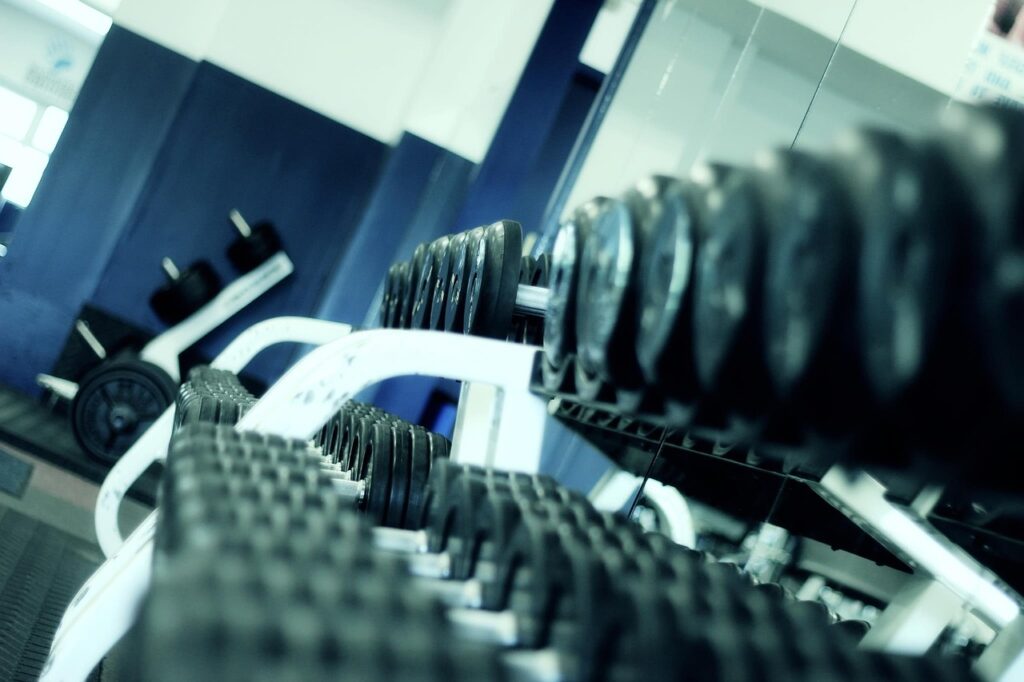

As commercial fitness centers and high school weight rooms record unprecedented teenage attendance numbers this year, the global youth fitness landscape is undergoing a massive transformation driven by early athletic intervention and mental health awareness. Reflecting on a journey that mirrors millions of modern adolescents, athletic icon and Hollywood actor John Cena recently highlighted his early start in fitness, recalling, “By the time I was 15 and I stepped in the high school gym,” a pivotal moment that launched his lifelong commitment to physical conditioning. Today, health organizations and fitness operators worldwide are adapting to this rapidly growing demographic as teenagers increasingly turn to structured strength training to build physical resilience and self-confidence.
The Evolution of Youth Fitness Myths
For decades, youth strength training was surrounded by persistent misconceptions, particularly the discredited belief that lifting weights stunts physical growth in adolescents. Medical consensus has shifted dramatically over the past fifteen years as sports science research continuously debunked these legacy concerns.
According to updated clinical guidelines from the American Academy of Pediatrics (AAP), age-appropriate resistance training poses minimal risk of skeletal injury when properly supervised. In fact, pediatric medical bodies now recognize strength training as a critical tool for improving bone mineral density and mitigating sports-related injuries in developing adolescents.
Historically, high school physical education focused primarily on traditional team sports and basic cardiovascular exercises. However, modern public school curricula increasingly incorporate resistance equipment, barbell fundamentals, and movement biomechanics to foster sustainable lifelong fitness habits.
Social Media and Role Models Accelerating Gym Adoption
The surge in teenage gym membership is fueled by unprecedented access to athletic performance data and high-profile athlete origin stories. Cultural icons like John Cena, who frequently discusses how entering the weight room at age 15 helped him combat bullying and forge personal discipline, resonate deeply with teenagers seeking physical and psychological empowerment.
Market research from the Health & Fitness Association reveals that gym users under the age of 18 represent the fastest-growing demographic sector in community wellness facilities across North America and Europe. Major commercial fitness chains have responded by creating dedicated youth access initiatives and subsidized summer programs tailored specifically to high school students.
Furthermore, digital platforms such as YouTube and TikTok have democratized fitness education, allowing young lifters to study proper technique, periodization, and nutritional recovery strategies before setting foot in a facility. While algorithm-driven advice presents varying levels of credibility, it has undeniably normalized weightlifting culture among Gen Z and Gen Alpha demographics.
Clinical Benefits Beyond Physical Athletics
Sports science experts emphasize that the benefits of adolescent strength training extend far beyond physical aesthetics and athletic performance. Mental health practitioners increasingly view weight rooms as essential environments for cultivating mental toughness and routine during critical developmental years.
“Structured resistance training provides adolescents with a clear, measurable feedback loop of effort versus outcome,” says Dr. Marcus Thorne, a sports psychologist specializing in youth athletic development. “When a 15-year-old learns proper biomechanics and consistently tracks incremental progress, it builds an internal locus of control that positively impacts academic performance and emotional self-regulation.”
Data published by the National Strength and Conditioning Association (NSCA) indicates that structured resistance programs can reduce acute overuse injuries in youth sports by up to 66%. Additionally, clinical trials link regular resistance exercises to lower self-reported rates of adolescent anxiety and improved self-esteem across diverse socioeconomic backgrounds.
Industry Adaptation and Long-Term Outlook
The continuous influx of younger practitioners is compelling fitness facility operators, equipment manufacturers, and educational institutions to re-evaluate their infrastructure and safety protocols. Commercial gyms are expanding certified instruction hours, investing in ergonomic machinery suited for adolescent body frames, and implementing mandatory orientation sessions for youth members.
Concurrently, high school athletic departments are moving away from legacy training models by hiring certified strength and conditioning specialists (CSCS) to oversee weight room safety. This professionalization ensures that lifting technique, load management, and long-term athletic growth take priority over maximum weight metrics.
Looking ahead, the integration of wearable biometrics and digital form-checking technology is expected to further professionalize youth strength culture. As commercial gyms expand access programs and secondary schools continue modernizing physical education facilities, the 15-year-old stepping into a high school gym today enters a far safer, highly scientific, and supportive training environment than any generation prior.