
Modern strategists and economic analysts are increasingly turning to the foundations of Western literature to interpret the inherent instability of the 21st-century global landscape. The ancient Greek concept of ephemeroi—the realization that humans are fleeting beings subject to sudden, profound change—is finding new life in corporate boardrooms and elite athletic training facilities worldwide.
This philosophical shift comes as global markets face unprecedented volatility and professional sectors grapple with the rapid rise and fall of industry leaders. According to cultural historians, the wisdom found in Homer’s The Odyssey offers a necessary framework for managing the unpredictability that defines contemporary life.
The Roots of Human Fragility
In the narrative of The Odyssey, Homer observes that of all creatures inhabiting the earth, none is more unstable than man. This perspective served as a cornerstone of the Greek worldview, which categorized mortals as ephemeroi, or “creatures of a day.”
Unlike the enduring and immutable gods of myth, humans were seen as beings whose fortunes could vanish in a single sunset. This ancient recognition of vulnerability was not intended to inspire despair, but rather to foster a grounded sense of reality and humility.
Official reports from psychological associations suggest that acknowledging this inherent fragility can lead to more resilient mental health outcomes. By accepting that life is subject to external forces beyond individual control, individuals can better prepare for inevitable shifts in fortune.
Financial Markets and the Ephemeral Nature of Wealth
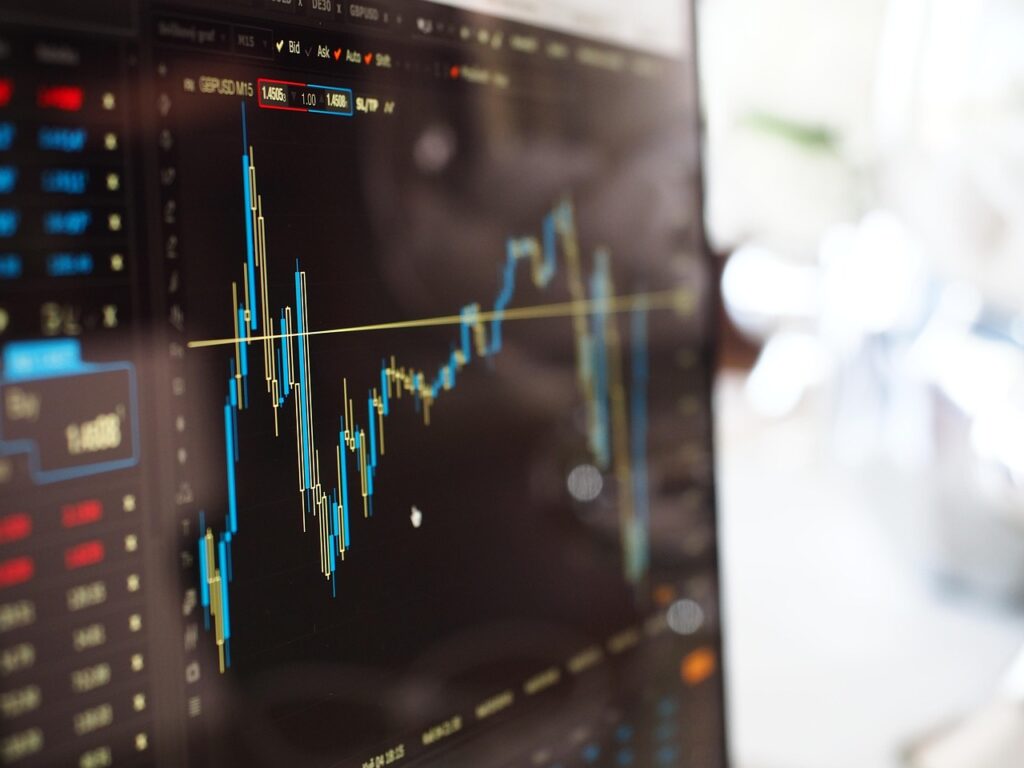
The application of Homeric thought is perhaps most visible in the financial sector, where the concept of “fleetingness” is a daily reality. Modern analysts observe that the rapid fluctuations in global stock indices and the emergence of volatile digital assets mirror the ancient Greek understanding of instability.
According to financial data, market leaders can see their valuations shift by billions within hours due to geopolitical events or technological disruptions. This volatility underscores the Homeric warning that nothing on earth remains static for long.
Risk management experts are now incorporating these philosophical principles into their strategies. By assuming that stability is a temporary state, firms are developing more robust contingency plans that prioritize long-term survival over short-term dominance.
Sports and the Psychology of the Moment
In the realm of professional sports, the concept of being ephemeroi is particularly poignant. The career of an elite athlete is often defined by a narrow window of peak performance, frequently interrupted by injury or the natural aging process.
Sports psychologists note that athletes who embrace their vulnerability often perform better under pressure. These individuals recognize that their status is temporary, which encourages them to focus intensely on the present moment rather than resting on past achievements.
According to reports from coaching clinics, this “Homeric humility” prevents the complacency that often leads to a decline in performance. It fosters a culture of continuous improvement and readiness for the day when their physical advantages may fade.
Impact on Leadership and Economy
The resurgence of this ancient perspective is influencing leadership styles across various industries. Leaders who acknowledge the fleeting nature of success are less likely to fall victim to hubris, a trait the Greeks famously warned against as a precursor to downfall.
Official data from executive search firms shows a growing demand for leaders who demonstrate emotional intelligence and adaptability. These traits are essential for navigating an economy where consumer preferences and technological capabilities change at an exponential rate.
Economists suggest that a society that recognizes its own vulnerability is more likely to invest in social safety nets and sustainable infrastructure. This collective humility can lead to a more stable and equitable economic environment in the long run.
What to Watch Next
As the world becomes more interconnected and complex, the integration of classical humanities into professional development is expected to grow. Educational institutions are already beginning to pair philosophy courses with business and technology degrees to provide students with a broader perspective on risk.
Observers should watch for a shift in how corporations report on long-term sustainability and crisis preparedness. The move away from rigid, five-year plans toward more fluid, adaptive strategies reflects a growing acceptance of the world’s unpredictable nature.
Ultimately, the ancient Greek understanding of the human condition serves as a timeless reminder. While we cannot control the winds of change, we can control how we prepare our vessels for the journey through uncertain waters.
Disclaimer: This article is published for general news and informational purposes only. While every effort has been made to ensure accuracy, readers are advised to verify important information from official sources. The publisher shall not be responsible for any loss or inconvenience arising from reliance on the information published.