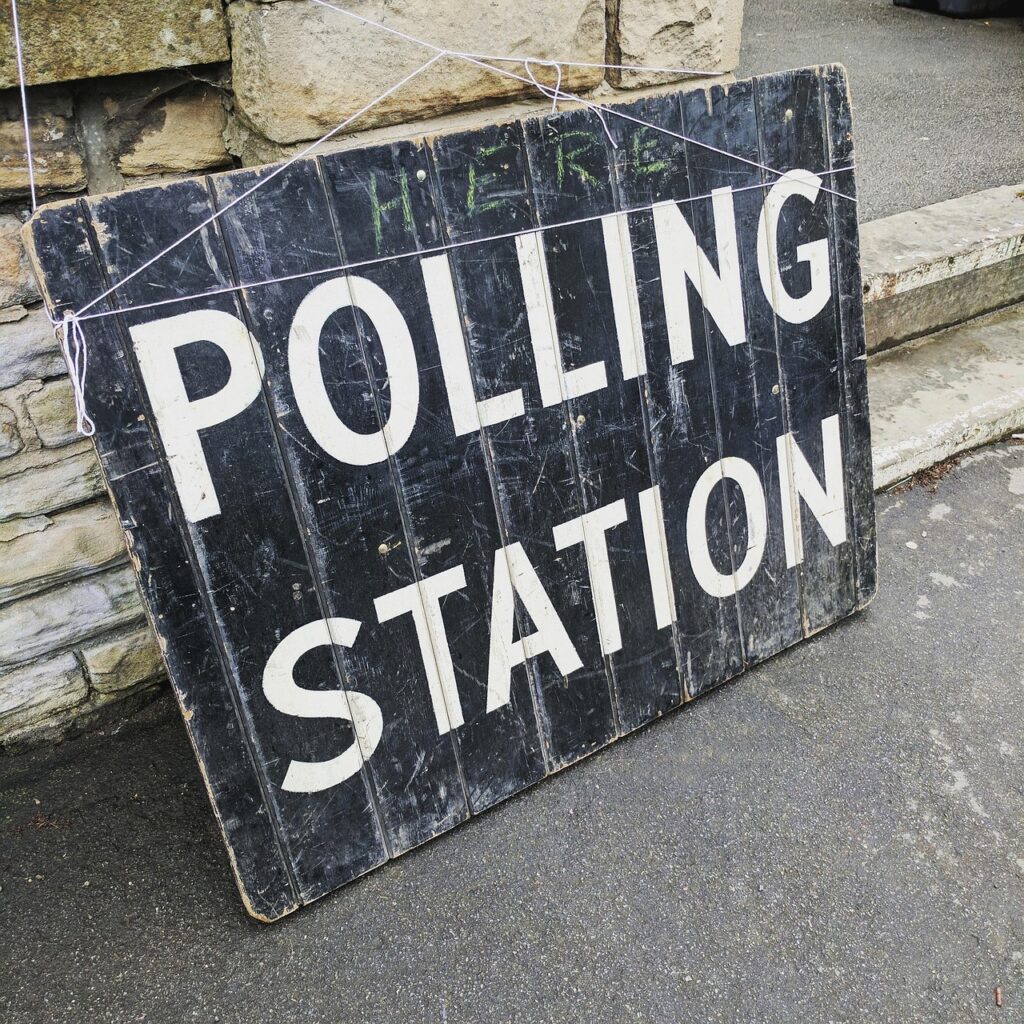

Michigan voters head to the polls this Tuesday for a primary election that serves as a high-stakes litmus test for the Democratic Party’s future. The state has become the focal point of an intensifying ideological struggle between progressive firebrands and the party establishment.
With a critical Senate seat and two pivotal House districts on the ballot, the results will signal whether the progressive wing can expand its influence beyond deep-blue urban centers. The outcome is expected to shape the party’s strategy for the general election and influence the 2028 presidential nominating process.
Political analysts view Michigan as a crucial battleground where the “base-first” approach of the left meets the “electability” concerns of centrist Democrats. Official data from recent cycles shows a state narrowly divided, making the ideological direction of the Democratic ticket a matter of national importance.
The Battle for the Senate
The headline contest features a sharp contrast in the race to replace retiring Senator Gary Peters. Abdul El-Sayed, a progressive backed by Senator Bernie Sanders and Representative Alexandria Ocasio-Cortez, is facing off against Representative Haley Stevens, a moderate with deep ties to the party’s traditional infrastructure.
El-Sayed has conducted a campaign centered on grassroots mobilization and a “super online” presence, aiming to prove that a hard-edged progressive message can win a statewide race in a swing state. His platform emphasizes systemic change and campaign finance reform, challenging the notion that only moderates can appeal to Michigan’s diverse electorate.
Stevens, conversely, has leaned into her legislative experience and the support of the party’s mainstream wing. The contest has become a magnet for outside spending, with millions of dollars flowing into the state to influence a race that could determine the balance of power in the U.S. Senate.
Public polling suggests El-Sayed holds a double-digit lead heading into the final days. However, strategists warn that the true test will be whether such a candidate can withstand the scrutiny of a general election against Republican former Representative Mike Rogers.
Testing Progressive Appeal in the 7th District
In Michigan’s 7th Congressional District, the ideological rift is equally apparent. This district is a true bellwether, having favored Donald Trump by a narrow margin in the 2024 election.
William Lawrence, a co-founder of the Sunrise Movement, is attempting to secure the nomination by focusing on unconventional issues such as the environmental impact of artificial intelligence and data centers. He argues that these emerging concerns will resonate with working-class voters by 2028.
Lawrence faces competition from two more-moderate Democrats, leading to fears among some operatives that a split vote could hand the primary to the furthest-left candidate. Some centrist strategists have expressed open concern that a Lawrence victory would effectively concede the seat to Republican Representative Tom Barrett in November.
This district serves as a laboratory for the progressive theory that bold, non-traditional policy stances can flip purple districts. If Lawrence succeeds, it may provide a new blueprint for how the left approaches competitive suburban and rural areas.
Divisions in the 13th District
The primary for the 13th District, a safely Democratic seat, has exposed fractures within the Congressional Black Caucus. The race pits incumbent Representative Shri Thanedar against state Representative Donavan McKinney.
Thanedar enjoys the backing of House Democratic leadership, including Hakeem Jeffries. However, McKinney has secured endorsements from prominent progressive figures like Representatives Ilhan Omar and Ayanna Pressley, who have broken with party leadership to support his challenge.
The Working Families Party and Justice Democrats have invested heavily in McKinney, viewing the district as a prime opportunity to replace an establishment-aligned incumbent with a working-class advocate. This race highlights the ongoing tension between institutional loyalty and the push for a more radical legislative agenda.
Impact on the 2028 Presidential Cycle
Beyond the immediate legislative impact, the Michigan primaries are a precursor to the 2028 presidential race. Michigan’s new status as an early primary state gives it outsized influence over how future presidential candidates will craft their messages.
A strong showing for progressives would force 2028 hopefuls to move leftward to secure the support of Michigan’s influential activist base. Conversely, a sweep by moderates would bolster the argument that the party must remain centered to win the “Blue Wall” states of the Midwest.
Democratic strategists note that the party cannot afford a protracted internal war as it prepares to face a unified Republican front. The GOP, for its part, is closely monitoring the Democratic infighting, with national spokespeople characterizing the primary as a “surge of socialists” that will alienate moderate voters.
What to Watch Next
As the polls close on Tuesday, the first indicator of the night will be the turnout in urban centers like Detroit and college towns like Ann Arbor. High engagement in these areas typically favors progressive candidates who rely on younger, more ideological voters.
The margin of victory in the Senate race will be particularly telling. A narrow win for either side may lead to a fractured party heading into the fall, while a decisive victory could settle the ideological debate for the remainder of the cycle.
Following the primary, the focus will shift to how the winners reconcile with the losing factions. In a state where elections are decided by thin margins, the ability to unify the party will be the ultimate factor in determining success in November.
Disclaimer: This article is published for general news and informational purposes only. While every effort has been made to ensure accuracy, readers are advised to verify important information from official sources. The publisher shall not be responsible for any loss or inconvenience arising from reliance on the information published.