
A federal appeals court has issued a landmark ruling, declaring that the Environmental Protection Agency (EPA) cannot legally block the distribution of billions of dollars in climate-related grants. The decision marks a significant check on executive authority regarding congressionally mandated spending.
The funds in question have been frozen since the early stages of President Trump’s second term. The administration had argued that it possessed the discretion to pause the disbursements to ensure the programs aligned with new executive priorities and fiscal standards.
However, the court found that the EPA exceeded its statutory boundaries by withholding the capital. The ruling emphasizes that once Congress appropriates funds for specific purposes, the executive branch is generally obligated to facilitate their distribution according to the established law.
Background and Legislative Context
The disputed funds were originally authorized under large-scale environmental and infrastructure legislation passed during the previous administration. These programs were designed to accelerate the transition to renewable energy and reduce carbon emissions across various industrial sectors.
Upon the start of the current term, the EPA leadership implemented a wide-ranging freeze on unspent balances. Official reports indicate that the agency intended to conduct a thorough audit of the grants to prevent what it termed “wasteful spending” on legacy projects.
This freeze impacted several key initiatives, including the Greenhouse Gas Reduction Fund and various community-based environmental justice grants. Many of these programs were already in the process of vetting applicants when the order to halt payments was issued.
The Court’s Findings and Legal Precedent
The panel of judges ruled that the administration’s actions were in direct conflict with the Impoundment Control Act of 1974. This act limits the president’s ability to refuse to spend money that has been appropriated by Congress.
According to the court’s opinion, the EPA failed to provide a sufficient legal justification for the indefinite delay of the grants. The judges noted that policy disagreements between the executive and legislative branches do not grant the agency the right to ignore spending mandates.
Legal experts suggest this ruling reinforces the principle of the separation of powers. By requiring the EPA to release the funds, the court has signaled that administrative agencies must adhere strictly to the funding timelines set by federal statutes.
Impact on Industry and Local Economies
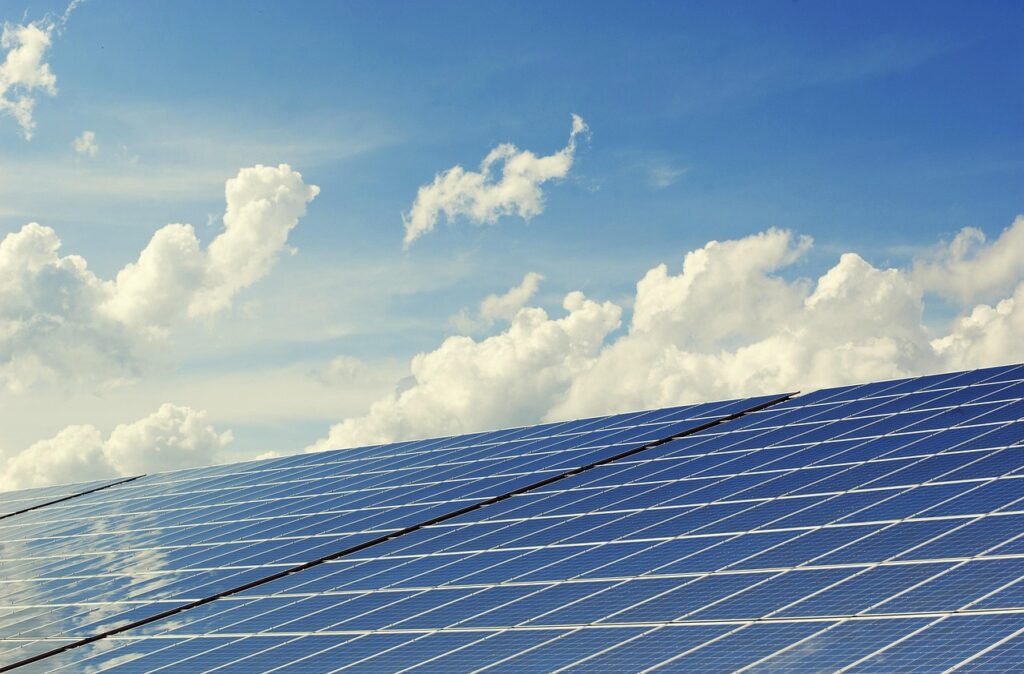
The release of these billions is expected to have an immediate effect on the green energy sector. Thousands of pending projects, ranging from municipal solar installations to industrial decarbonization efforts, had been stalled due to the lack of federal support.
Industry analysts suggest that the sudden influx of capital will likely stimulate job growth in the construction and engineering fields. State and local governments, which often rely on these federal matches to fund their own environmental goals, have expressed optimism following the verdict.
Furthermore, the ruling provides a level of regulatory certainty for private investors. According to market reports, the freeze had created a chilling effect on private-sector climate investments, which often leverage federal grants to mitigate early-stage risks.
Environmental and Social Implications
Environmental advocacy groups have hailed the decision as a victory for public health and climate resilience. They argue that the delay in funding had already slowed progress toward national emissions targets and left vulnerable communities without promised resources.
A significant portion of the frozen funds was earmarked for “disadvantaged communities” to improve air quality and energy efficiency. Community leaders state that the resumption of these grants will allow for the restart of stalled health-focused initiatives.
Official data shows that the programs affected by the freeze were projected to reduce millions of tons of CO2 equivalent over the next decade. The court-ordered release of funds ensures these projections remain within reach for the time being.
What to Watch Next
The Department of Justice has not yet indicated whether it will attempt to appeal the ruling to the Supreme Court. If the administration chooses to fight the decision, it could seek an emergency stay to keep the funds frozen during the appeal process.
In the meantime, the EPA must begin the administrative process of unfreezing the grant applications. Observers are watching closely to see how quickly the agency moves to process the backlog of requests and whether additional bureaucratic hurdles are introduced.
Congress may also play a role in the coming months, as lawmakers from both parties evaluate the ruling’s impact on future budget negotiations. The tension between executive discretion and legislative mandates remains a central theme in the ongoing debate over federal spending and climate policy.
Disclaimer: This article is published for general news and informational purposes only. While every effort has been made to ensure accuracy, readers are advised to verify important information from official sources. The publisher shall not be responsible for any loss or inconvenience arising from reliance on the information published.