
The Louisiana Department of Health has issued a critical public health warning following a surge in cases involving Vibrio vulnificus, a potentially life-threatening bacterium often referred to as “flesh-eating.” According to official data, nine individuals have been infected in the state so far this year, with five of those cases resulting in death. The alert comes as coastal activity reaches its seasonal peak and water temperatures remain conducive to bacterial growth.
Health officials are urging residents and tourists to exercise extreme caution when entering coastal waters or handling raw seafood. The bacteria naturally inhabit warm, brackish, and salt waters, particularly along the Gulf Coast. While infections remain statistically rare, their high mortality rate and the speed at which they progress have prompted immediate concern from state medical experts.
Understanding the Pathogen
Vibrio vulnificus belongs to the same family of bacteria as those that cause cholera. It thrives in warm aquatic environments where the salinity is mid-range, making the estuaries and coastal marshes of Louisiana an ideal habitat. According to reports from the Centers for Disease Control and Prevention (CDC), the bacteria typically proliferate during the summer months when water temperatures exceed 13 degrees Celsius (55 degrees Fahrenheit).
Infection usually occurs through two primary pathways. The first involves the exposure of open wounds, cuts, or even minor abrasions to contaminated seawater. The second pathway is the consumption of raw or undercooked shellfish, specifically oysters, which filter the bacteria from the water and concentrate them in their tissues.
Clinical Impact and Symptoms
For those who contract the bacterium through a wound, the infection can rapidly evolve into necrotizing fasciitis. This condition causes the flesh surrounding the entry point to die, often requiring surgical intervention or, in severe cases, the amputation of limbs to prevent the spread of the infection. Official sources indicate that the infection can enter the bloodstream, leading to sepsis and multi-organ failure.
Early symptoms of a Vibrio infection include sudden chills, fever, nausea, and vomiting. If the infection is wound-based, patients often report intense pain that seems disproportionate to the visible injury. This is frequently followed by redness, swelling, and the development of large, fluid-filled blisters known as bullae.
Medical professionals emphasize that time is a critical factor in survival. Because the bacteria multiply with extreme speed, early diagnosis and the administration of aggressive antibiotic therapy are essential. According to the Louisiana Department of Health, individuals with underlying health conditions, particularly liver disease, cancer, or diabetes, are at a significantly higher risk of developing life-threatening complications.
Impact on Industry and Tourism
The rise in reported cases has significant implications for Louisiana’s coastal economy. The state’s seafood industry, particularly the oyster trade, relies heavily on consumer confidence. While health officials note that properly cooked seafood poses no risk, the stigma associated with “flesh-eating” bacteria can deter consumers and impact the livelihoods of local fishers and restaurateurs.
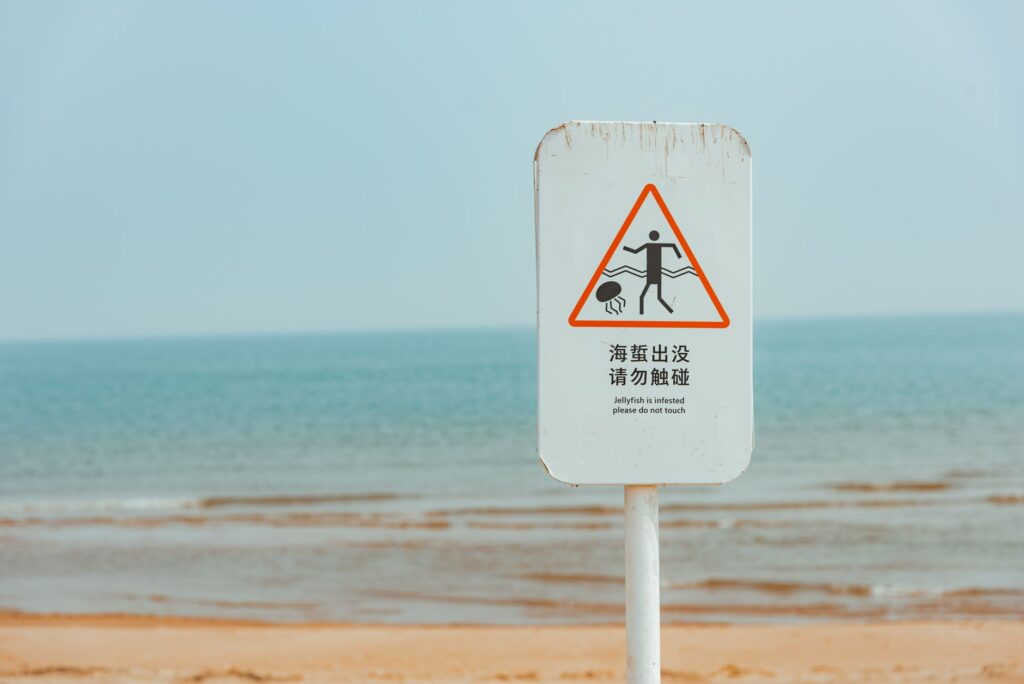
Tourism in coastal parishes may also face challenges. Local businesses that cater to recreational swimmers, kayakers, and anglers are being encouraged to display advisory signage. Industry experts suggest that clear communication regarding safety measures is necessary to prevent a wider economic downturn while ensuring public safety remains the top priority.
Preventative Measures and Safety Guidelines
Public health officials have released a set of guidelines to help the public mitigate risk. Individuals with any type of skin injury, including recent tattoos or piercings, are advised to stay out of brackish or salt water entirely. If a wound occurs while in the water, it should be washed immediately with clean, fresh water and soap.
For those handling raw seafood, the use of protective gloves is highly recommended. Health experts also reiterate that the only way to ensure oysters and other shellfish are safe for consumption is to cook them thoroughly. Standard kitchen practices, such as preventing cross-contamination between raw seafood and other foods, are vital in a domestic setting.
What to Watch Next
Environmental scientists are closely monitoring the rising temperatures of the Gulf of Mexico. There is ongoing research into whether climate change and warming ocean currents are extending the geographic range and the seasonal window for Vibrio vulnificus. As waters remain warm later into the autumn months, the period of risk may expand beyond the traditional summer window.
The Louisiana Department of Health is expected to continue its surveillance of coastal waters and provide regular updates to the public. Health care providers across the state have been alerted to maintain a high index of suspicion for Vibrio infections in patients presenting with relevant symptoms and a history of water exposure. Future public health campaigns will likely focus on targeted education for high-risk populations to reduce the fatality rate in the coming years.
Disclaimer: This article is published for general news and informational purposes only. While every effort has been made to ensure accuracy, readers are advised to verify important information from official sources. The publisher shall not be responsible for any loss or inconvenience arising from reliance on the information published.