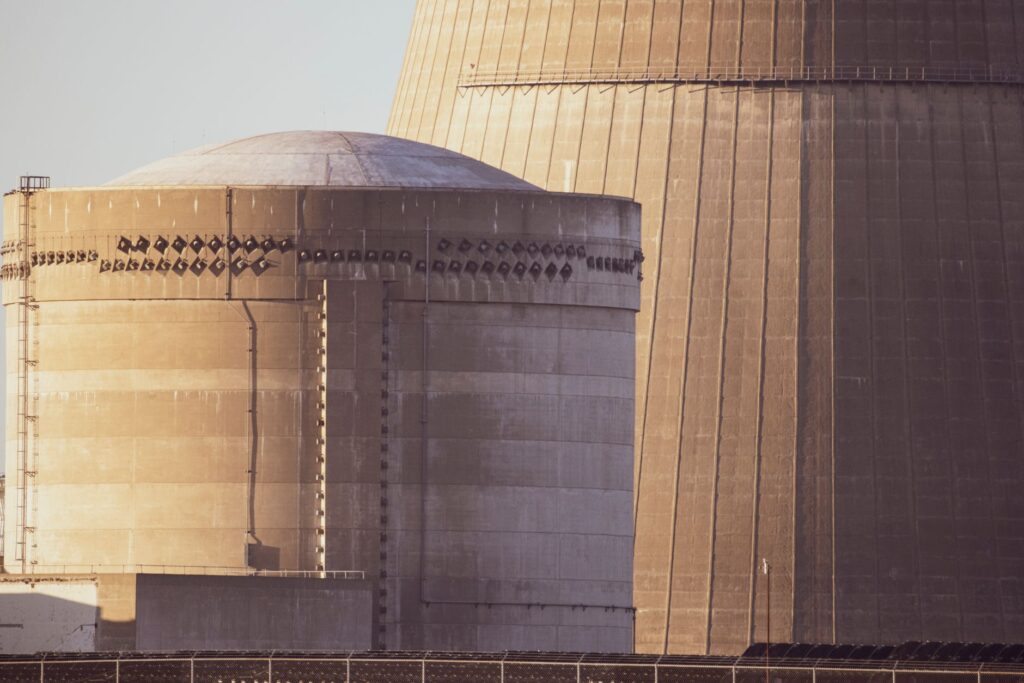

India is accelerating its transition toward a low-carbon economy with a strategic focus on next-generation nuclear technology. In a recent update provided to the Lok Sabha, Union Minister of State for Science and Technology, Jitendra Singh, announced that the government aims to deploy five indigenous Small Modular Reactors (SMRs) by the year 2033.
This announcement marks a significant milestone in India‘s civil nuclear program, shifting focus toward more flexible and scalable power solutions. The initiative is designed to complement the country’s existing large-scale nuclear power plants while addressing the specific energy needs of industrial clusters and remote regions.
Understanding the Shift to Small Modular Reactors
Small Modular Reactors represent a paradigm shift in nuclear engineering and energy production. Unlike traditional large-scale reactors that typically produce over 1,000 MW of electricity, SMRs are defined by their smaller footprint and a power capacity of up to 300 MW per unit.
The “modular” aspect of these reactors allows for major components to be manufactured in a factory setting and then transported to a site for assembly. According to official reports, this approach significantly reduces construction timelines and minimizes the financial risks associated with massive infrastructure projects.
For India, the development of indigenous SMRs is a natural evolution of its long-standing expertise in Pressurized Heavy Water Reactors (PHWRs). By leveraging existing technology, Indian scientists aim to create a standardized design that can be replicated quickly across various locations.
Technical Roadmap and Indigenous Development
The Department of Atomic Energy (DAE) is currently spearheading the research and development phase for these indigenous units. Minister Jitendra Singh noted that the primary goal is to ensure that the technology is entirely homegrown, aligning with the national ‘Atmanirbhar Bharat’ (Self-Reliant India) initiative.
Official data indicates that the government is focusing on a design that utilizes the proven 220 MW PHWR technology as a baseline. This strategy allows the country to utilize its existing supply chain and domestic manufacturing capabilities, ensuring that the transition to SMRs does not rely on foreign intellectual property.
The timeline set for 2033 includes not only the construction but also the full operationalization and grid integration of these five units. Experts suggest that these reactors will likely be deployed in locations where large-scale plants are not feasible due to geographical or grid constraints.
Economic and Industrial Impact
The deployment of SMRs is expected to have a profound impact on India’s industrial sector. Many heavy industries, such as steel and chemical manufacturing, require consistent, high-temperature process heat that intermittent renewable sources like solar and wind cannot always provide.
SMRs can be co-located with these industrial hubs to provide both electricity and thermal energy, effectively decarbonizing sectors that are traditionally difficult to abate. This dual-use capability makes SMRs a critical tool in India’s quest to reach net-zero emissions by 2070.
Furthermore, the shift toward modular manufacturing is expected to stimulate the domestic engineering sector. By creating a steady demand for standardized reactor components, the government hopes to foster a robust ecosystem of small and medium enterprises (SMEs) specializing in high-precision nuclear engineering.
Policy Framework and Private Sector Involvement
A key component of the SMR strategy involves the potential participation of the private sector. While nuclear power generation in India has historically been a state-run enterprise, there are ongoing discussions regarding policy changes that could allow for greater private investment.
Minister Singh highlighted that the government is exploring various models for collaboration, including public-private partnerships. Such moves would be intended to infuse capital and enhance the efficiency of project execution, ensuring that the 2033 target remains achievable.
Regulatory frameworks are also being updated to accommodate the unique safety profiles of SMRs. The Atomic Energy Regulatory Board (AERB) is reportedly working on streamlined licensing processes that maintain high safety standards while acknowledging the simplified designs and inherent safety features of smaller reactors.
Global Context and Future Outlook
India is not alone in its pursuit of SMR technology, as countries like the United States, Russia, and China are also racing to commercialize their own designs. However, India’s focus on indigenous PHWR-based technology provides a unique cost advantage and a proven safety record.
As the first five units move toward the construction phase, the international community will be watching closely. Success in this venture could position India as a global hub for SMR technology, offering export opportunities to other developing nations seeking clean and reliable energy solutions.
In the coming years, the focus will shift toward site selection and the finalization of technical specifications. The government’s commitment to a 2033 deadline signals a clear intent to make nuclear energy a cornerstone of the national power grid, providing a stable base-load to support the country’s growing energy demands.
Disclaimer: This article is published for general news and informational purposes only. While every effort has been made to ensure accuracy, readers are advised to verify important information from official sources. The publisher shall not be responsible for any loss or inconvenience arising from reliance on the information published.