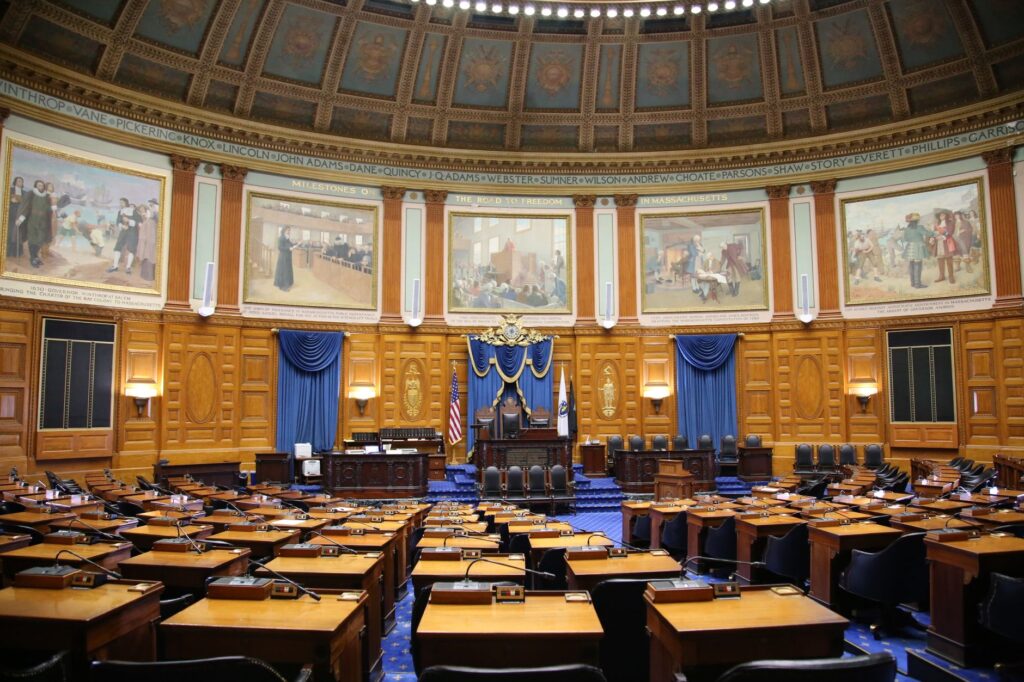

New York State Assemblymember Zohran Mamdani recently addressed the evolving discourse on immigration during a legislative session in Albany, challenging a persistent historical narrative. Speaking to colleagues and the public, Mamdani highlighted the systemic rhetoric used to characterize individuals arriving at the nation’s borders.
The remarks come at a time when New York City and the broader state continue to navigate the logistical and social complexities of a significant influx of asylum seekers. Mamdani’s comments specifically targeted the assertion that immigrant populations do not represent the highest potential of their home countries.
The Assemblymember, representing the 36th District in Queens, emphasized that the contributions of immigrant communities have been historically undervalued. He argued that the negative framing of newcomers has been passed down through successive generations of American political thought.
The Historical Context of Immigration Rhetoric
The phrase “they are not sending their best” became a prominent fixture in American political dialogue during the mid-2010s. It was frequently used to justify stricter border controls and more rigorous vetting processes for those seeking entry into the United States.
According to historical records, this type of rhetoric is not unique to the modern era. Various waves of immigration, including those from Ireland, Italy, and Eastern Europe in the 19th and 20th centuries, faced similar skepticism from established political entities.
Mamdani’s critique suggests that these narratives serve as a barrier to integration and social cohesion. By framing immigration as a deficit rather than an asset, the Assemblymember argues that the state misses opportunities to leverage the skills and resilience of new arrivals.
Latest Developments in New York Policy
The debate over immigration has intensified in New York as the city manages more than 200,000 migrant arrivals since the spring of 2022. Official data shows that the state has allocated billions of dollars toward emergency housing, legal services, and healthcare for these individuals.
Legislative efforts in Albany are currently divided on how to address the long-term integration of these populations. Some lawmakers advocate for expanded work authorizations and permanent housing solutions, while others call for stricter limits on the city’s “Right to Shelter” mandate.
Mamdani has been a vocal proponent of the “Access to Representation Act,” which would ensure that all New Yorkers facing deportation have access to legal counsel. He maintains that providing a fair legal process is a fundamental step in recognizing the dignity of every resident.
Economic and Social Impact on the Region
Industry analysts point out that many sectors in New York, including hospitality, construction, and healthcare, rely heavily on immigrant labor. Economic reports suggest that the labor force participation of immigrants often exceeds that of native-born citizens in specific urban hubs.
The social impact is equally significant in neighborhoods like Astoria and Jackson Heights, where diverse populations have established thriving small business corridors. These areas serve as economic engines that contribute substantially to the city’s tax base.
However, the rapid increase in the population has also strained local resources. Schools in certain districts have reported challenges in accommodating students with diverse linguistic needs, and community centers have seen a surge in demand for basic services.
What to Watch Next
The upcoming state budget negotiations are expected to be a primary battleground for immigration-related funding. Lawmakers will need to balance the immediate costs of humanitarian aid with long-term investments in infrastructure and social services.
Observers are also monitoring the federal government’s response to New York’s requests for expedited work permits. The speed at which migrants can enter the legal workforce will likely dictate the state’s economic trajectory over the next several fiscal quarters.
Furthermore, the rhetoric used by political leaders in the lead-up to the next election cycle will be closely scrutinized. Statements like those from Mamdani indicate a growing push within the progressive wing of the Democratic party to fundamentally reshape the conversation around national identity and belonging.
Disclaimer: This article is published for general news and informational purposes only. While every effort has been made to ensure accuracy, readers are advised to verify important information from official sources. The publisher shall not be responsible for any loss or inconvenience arising from reliance on the information published.