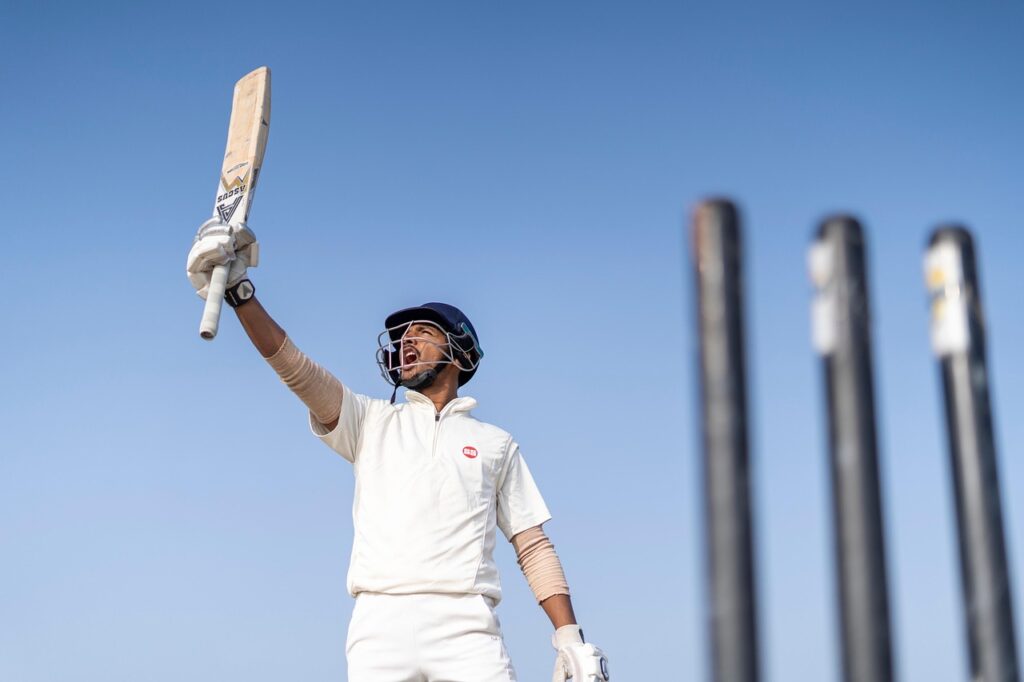

Shreyas Iyer officially commenced his tenure as captain of the Indian national cricket team today as the squad faces Ireland in a highly anticipated T20 International series opener. The match, held at the Malahide Cricket Club Ground in Dublin, marks a pivotal moment for the Board of Control for Cricket in India (BCCI) as they test the depth of their talent pool and leadership pipeline.
A Strategic Shift in Leadership
The appointment of Iyer comes at a time when the Indian cricket board is actively managing player workloads and rotating leadership roles to prepare for future ICC tournaments. By entrusting the captaincy to the middle-order batter, selectors are looking to evaluate his tactical decision-making under international pressure.
Iyer, known for his aggressive batting style and composed demeanor, faces the immediate challenge of integrating a mix of seasoned campaigners and rising stars. His leadership style will be scrutinized as he aims to establish a cohesive unit capable of executing complex game plans against a spirited Irish side.
Context of the Tour
Ireland has increasingly become a formidable host, consistently challenging full-member nations with disciplined bowling and high-intensity fielding. For the Indian squad, this tour serves as a proving ground for several fringe players looking to cement their positions in the first-team setup.
The current rotation policy is a direct response to the grueling international calendar, which requires a deep bench of match-ready athletes. Observers note that this series is less about the immediate scoreline and more about identifying the core group that will represent India in the next T20 World Cup cycle.
Expert Analysis and Tactical Focus
Cricket analysts suggest that the spotlight will be firmly fixed on the tactical versatility of the Indian captain. Former players have emphasized that Iyer’s ability to utilize his spinners in the middle overs will be the defining factor in neutralizing the Irish middle order.
Data from recent T20 matches indicates that the Malahide pitch offers assistance to seamers early in the innings, followed by a flatter surface that favors stroke-makers. Keeping these conditions in mind, Iyer’s decision at the toss and his subsequent bowling changes will be critical indicators of his readiness for a permanent leadership role.
Industry Implications
The rise of new captains like Iyer signals a broader trend in global cricket, where board management prioritizes squad agility over static leadership structures. This shift allows for more localized strategy and tactical experimentation, which is essential in the fast-paced format of T20 cricket.
For fans and stakeholders, this transition period represents an opportunity to witness the development of the next generation of leadership. The industry is watching closely to see how the team maintains its winning culture while undergoing significant personnel changes.
Looking ahead, the performance of the squad in this series will likely influence the selection criteria for the upcoming bilateral tours later this year. Analysts will be monitoring whether Iyer can successfully balance personal batting form with the cognitive load of captaincy, as consistent performance remains the ultimate metric for long-term leadership retention.