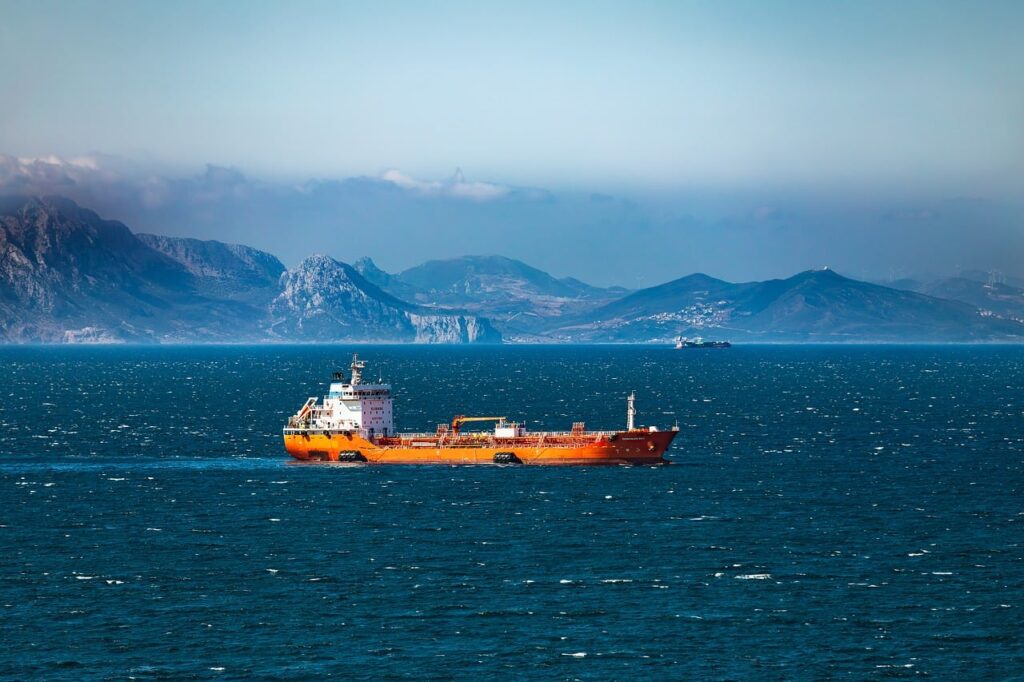

The United States and Iran have reached a critical agreement to halt military counter-strikes and resume diplomatic negotiations in Doha, Qatar, this Tuesday, aiming to resolve an escalating maritime standoff in the Strait of Hormuz. The agreement, which follows days of direct military exchanges, signals a temporary de-escalation intended to ensure the safety of international shipping lanes and restore the free flow of commerce through one of the world’s most vital energy transit chokepoints.
Context of the Maritime Dispute
The current volatility stems from conflicting interpretations of a recent memorandum of understanding concerning maritime passage and port access protocols. For weeks, both nations have engaged in a series of posturing maneuvers and tactical engagements that threatened to destabilize global energy markets.
The Strait of Hormuz, a narrow waterway connecting the Persian Gulf to the Gulf of Oman, serves as the transit route for approximately 20% of the world’s total petroleum consumption. Any disruption in this region historically triggers immediate volatility in crude oil prices and global supply chain logistics.
Diplomatic Shifts and Military Posture
The decision to move to the negotiating table in Doha follows an intense period of military activity that saw both regional and global powers on high alert. The suspension of strikes is viewed by international observers as a necessary cooling-off period to prevent a broader regional conflict.
“The move toward diplomatic channels is a pragmatic recognition that military escalation serves neither party’s long-term strategic interests,” noted regional security analyst Dr. Elena Vance. “By choosing Doha as a neutral arbiter, both sides are signaling a preference for a structured resolution over the unpredictability of maritime skirmishes.”
Data from international maritime monitoring agencies indicated that shipping insurance premiums for vessels traversing the strait had surged by nearly 15% in the last week alone. The ceasefire announcement has already provided a modest stabilizing effect on these costs, reflecting immediate market confidence in the diplomatic de-escalation.
Implications for Global Energy and Trade
For the shipping industry and global energy consumers, the immediate cessation of hostilities offers a vital window of stability. However, the underlying issues regarding port access and territorial interpretations remain complex and deeply embedded in longstanding geopolitical rivalries.
The upcoming talks in Qatar will focus on clarifying the specific language of the memorandum that led to the initial breakdown in communication. Success in these negotiations will likely depend on whether both nations can establish a transparent maritime communication channel that operates independently of broader political disagreements.
Market participants are now closely monitoring the outcome of the Doha talks, as the permanence of the ceasefire remains contingent on the specific concessions made by both delegations. Observers should watch for any joint statements regarding new protocols for vessel verification, as these will serve as the primary indicators of whether the agreement will hold in the long term.