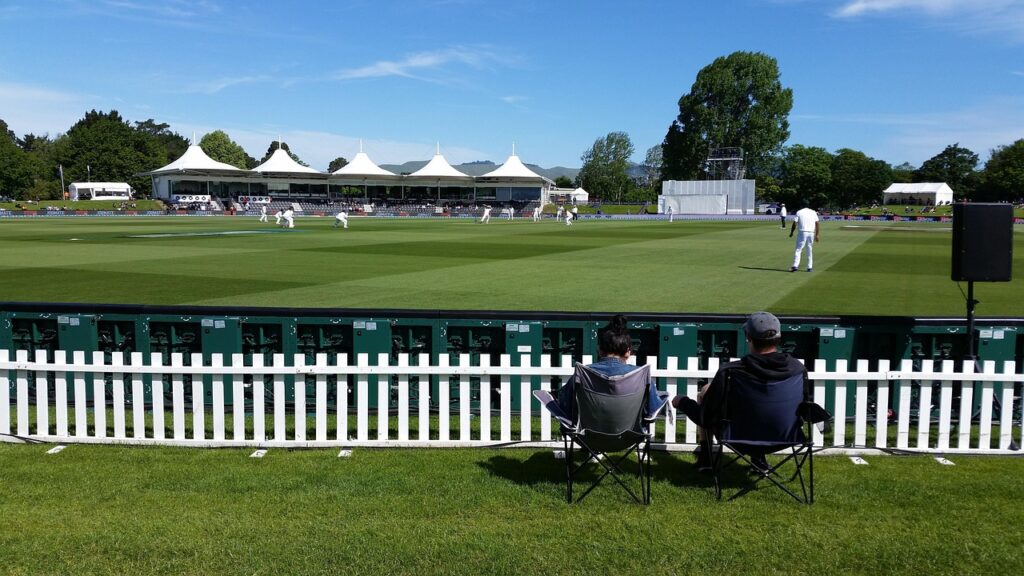

Indian middle-order batsman Tilak Varma etched his name into the record books on Tuesday, though not in the manner he might have preferred, as he recorded the slowest-ever T20I half-century by an Indian player during a narrow one-run defeat against Ireland. The match, held at the Malahide Cricket Club in Dublin, saw Ireland secure a historic series victory, effectively snapping India’s long-standing dominance in bilateral T20 encounters.
The Context of a Struggling Top Order
The fixture arrived at a critical juncture for the Indian squad, which has been experimenting with youth ahead of upcoming major tournaments. Facing a disciplined Irish bowling attack on a pitch that favored seam movement and tight lines, India’s top order crumbled early. The sudden loss of key wickets forced Varma into a recovery role, requiring him to prioritize survival over the aggressive stroke-play typically associated with the T20 format.
Analyzing the Pace of Play
Varma’s innings, while resilient, highlighted the difficulty of batting on a surface that offered significant assistance to the bowlers. Statistical analysis confirms that his half-century was reached at a strike rate significantly lower than the modern T20 standard, officially marking it as the slowest 50-run contribution by an Indian in the format’s history. Analysts note that while the anchor role was necessary given the collapse, the lack of acceleration in the middle overs ultimately constrained India’s total.
Expert Perspectives on T20 Dynamics
Cricket analysts point to this performance as a reflection of the evolving nature of T20 cricket, where the balance between risk management and scoring velocity is increasingly precarious. Former international players have noted that while Varma’s grit showcased his temperament, the tactical inability to shift gears in the final overs proved decisive. Data from the match indicates that Ireland’s ability to bowl consistently in the ‘corridor of uncertainty’ restricted India’s capacity to clear the boundaries, forcing the visitors into a defensive posture.
Broader Implications for the Indian Squad
For the Indian team management, this loss serves as a sobering reminder of the volatility inherent in youth-heavy lineups. The result suggests that while individual talent is high, the collective ability to rotate strike and find boundaries under pressure remains a significant hurdle. As the team moves forward, the focus will shift toward developing players who can maintain a high strike rate even when the conditions are challenging.
What to Watch Next
Observers will be closely monitoring how the selectors respond to this series loss in future squad selections. The emphasis is expected to shift toward middle-order players who demonstrate both the technical proficiency to survive early-inning collapses and the explosive capability to recover the run rate in the death overs. Whether Varma continues to fill the anchor role or adapts his game to be more aggressive remains the primary question for the upcoming domestic and international season.