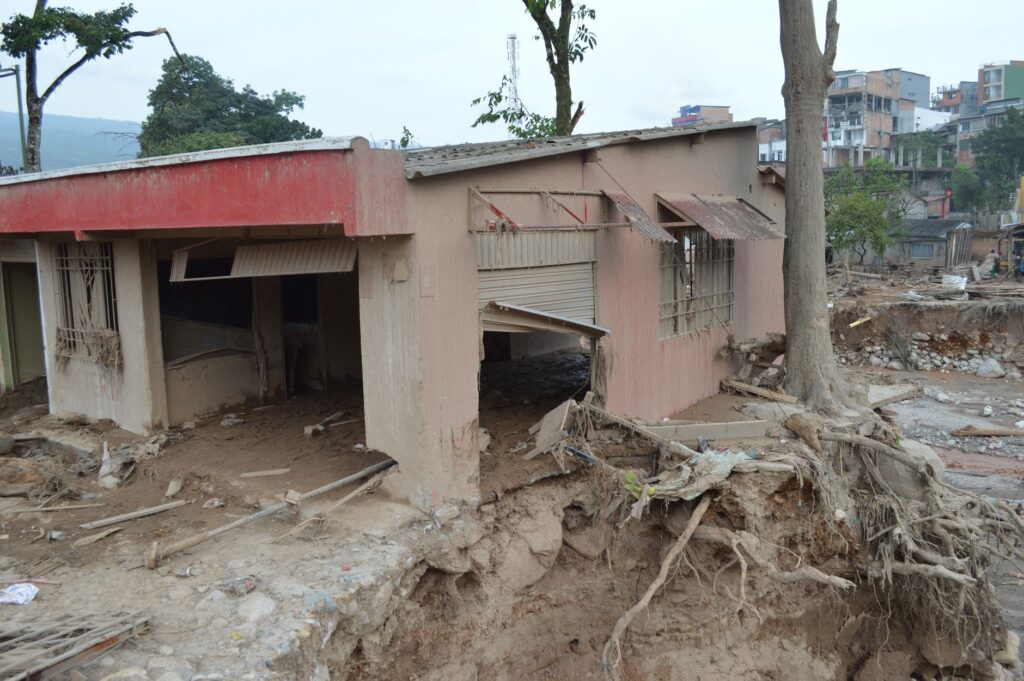

Understanding the Nepal Flood Crisis
The recent disaster in the region has left a profound impact, highlighting the severe vulnerability of local communities to extreme weather events. Authorities from both local government bodies and neighboring Chinese administrations overseeing Tibet have released staggering figures that underscore the immense scale of the catastrophe. As rescue and recovery operations continue to unfold, the international community watches closely to understand the full extent of the devastation.
Current Casualty and Missing Numbers
Official tallies compiled from multiple administrative sources reveal a grim reality on the ground. Current data indicates that the total number of missing individuals has reached 3,048. Simultaneously, the confirmed death toll has climbed to 768. These numbers represent not just statistics, but countless families and communities affected by the sudden and violent onset of the floodwaters.
Challenges in Search and Rescue Operations
Emergency responders face extraordinary difficulties in reaching remote areas affected by the overflow. Infrastructure damage, including blocked roads and destroyed bridges, has severely hampered the movement of personnel and vital relief supplies. Heavy rainfall and unstable terrain continue to pose significant risks to rescue teams working around the clock to locate survivors and account for the missing.
Humanitarian Impact and Immediate Needs
Beyond the immediate casualties, the disaster has displaced numerous residents, leaving them without shelter, clean drinking water, or adequate food supplies. Temporary relief camps have been established to provide basic necessities, yet the sheer volume of those in need strains available resources. Public health concerns are also rising as communities grapple with sanitation issues in the aftermath of the inundation.
Looking Ahead Toward Recovery
As the initial emergency phase gradually transitions into long-term recovery planning, the task ahead remains monumental. Rebuilding destroyed infrastructure and providing psychological and financial support to affected families will require sustained efforts from regional authorities and international partners alike. The lessons learned from this severe weather event will undoubtedly shape future disaster preparedness and mitigation strategies in the region.