
Understanding the Nepal Flash Flood Crisis
A catastrophic natural disaster recently struck the region along the border of Nepal and Tibet following a sudden glacier collapse. The resulting surge of water triggered massive flash floods that swept through valleys, destroying infrastructure and displacing numerous communities. Emergency services and disaster response teams have been deployed to the affected zones to manage the unfolding humanitarian crisis.
The Tragic Human Cost
Recovery operations have been fraught with immense challenges due to the rugged terrain and blocked access routes. Official reports from disaster management authorities indicate that hundreds of bodies have been recovered from the debris and swollen waterways. Among the victims and those still unaccounted for are numerous foreign nationals, including a significant number of Indian citizens who were traveling or working in the region at the time of the catastrophe.
Ongoing Rescue and Relief Efforts
Search and rescue missions remain operational around the clock despite hazardous conditions. Teams are utilizing specialized equipment and canine units to locate survivors trapped under rubble or mud. Medical camps have been established to provide immediate assistance to the injured and to prevent potential waterborne diseases in the overcrowded relief shelters.
Impact on Infrastructure and Economy
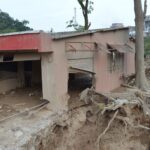
Beyond the heartbreaking loss of life, the flash flood has inflicted severe damage on regional infrastructure. Critical bridges, roadways, and hydroelectric facilities have been severely compromised or washed away entirely. This disruption has isolated several remote mountain settlements, making the delivery of food, clean water, and medical supplies exceptionally difficult.
International Response and Support
Neighboring countries and international humanitarian organizations have mobilized to offer support to the disaster-relief operations. Coordination between local authorities and foreign missions is ongoing to ensure that aid reaches the most vulnerable populations swiftly and efficiently. As the region begins the long road to recovery, questions remain regarding the environmental factors that contributed to the sudden glacier collapse.