
Political Dynamics in Tamil Nadu
Recent political developments in Tamil Nadu have highlighted a significant clash of ideologies and governance approaches. The administration led by Tamilaga Vettri Kazhagam has made a decisive move to drop pending legal cases against local farming communities and educators. This decision has sparked widespread discussion across the state, drawing sharp reactions from prominent political figures and observers alike.
Humanitarian Grounds and Democratic Principles
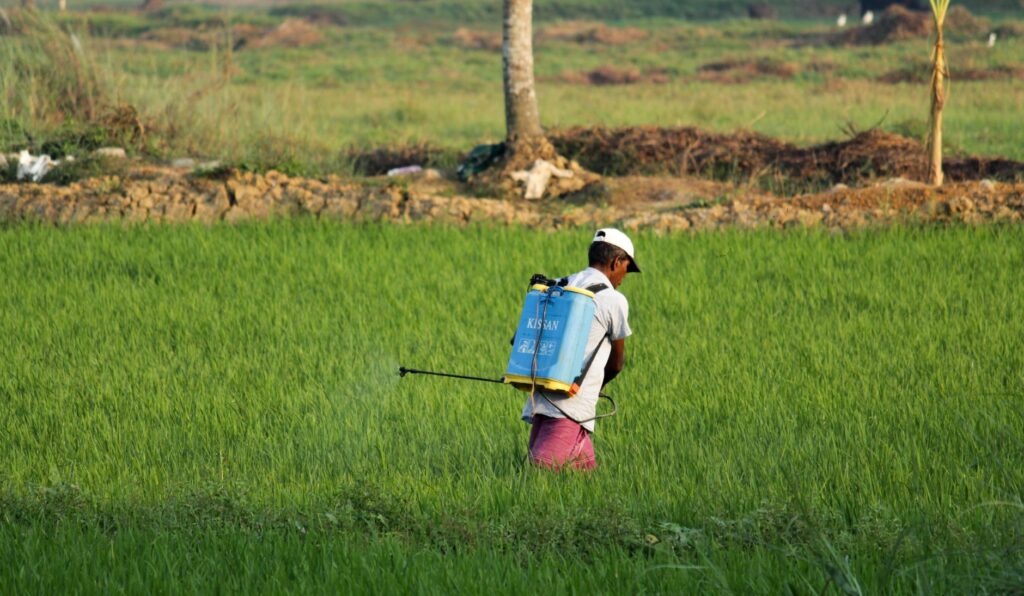
When announcing the formal withdrawal of these legal actions, officials emphasized that the choice was rooted firmly in humanitarian considerations. Furthermore, leadership noted that the move aligns closely with core democratic principles, suggesting that citizens exercising their right to protest should not face lingering punitive measures from the state apparatus. This approach signals an attempt to foster a more inclusive and conciliatory political environment for public servants and agricultural workers.
Targeting the Ruling Administration
Despite the positive reception from affected groups, the development quickly escalated into a broader political debate. Prominent leader Vijay directed sharp criticism toward the ruling Dravida Munnetra Kazhagam administration. The critique focused heavily on what was described as a previous suppression of fundamental rights, with allegations that peaceful demonstrators had faced unwarranted state pressure and legal scrutiny during past agitations.
Implications for the Upcoming Political Landscape
As the political parties in Tamil Nadu continue to position themselves for future electoral battles, actions regarding civil liberties and public grievances will likely remain central themes. The decision to clear the records of educators and agriculturalists serves as both a policy shift and a strategic maneuver. Observers will be closely watching how these shifting alliances and policy stances influence public sentiment across the region in the months ahead.