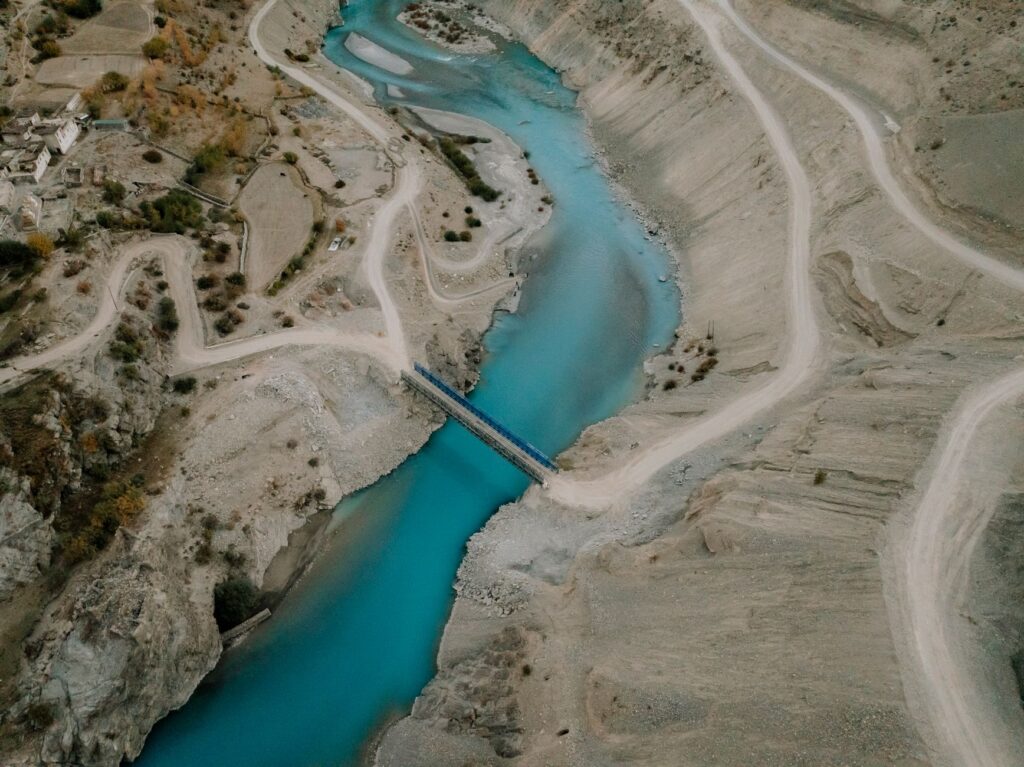

The Indus Waters Treaty has long stood as a notable example of cross-border resource sharing, enduring numerous political storms and bilateral tensions over the decades. Historical resilience of the agreement largely stemmed from India maintaining a remarkably high threshold of tolerance regarding its implementation and the associated constraints on regional infrastructure development. As modern infrastructure requirements evolve and regional dynamics shift, the foundational frameworks governing these shared river systems face unprecedented scrutiny.
International Pressure And Bilateral Dynamics
Diplomatic maneuvering often involves attempts to leverage external platforms to influence domestic policy and infrastructure projects. However, regional stakeholders must recognize that bilateral agreements cannot be effectively reshaped through external pressure or coercive diplomatic tactics. The contemporary geopolitical landscape demands a pragmatic approach to water resource management that reflects current operational realities rather than relying solely on rigid historical interpretations.
Adapting To Contemporary Infrastructure Needs
Water resource allocation and river basin management require continuous adaptation to modern engineering standards and environmental considerations. Freezing an agreement in time fails to address the practical necessities of energy generation, agricultural expansion, and ecological preservation. Modernizing the approach to shared river systems ensures that both nations can address contemporary challenges effectively without compromising established legal frameworks.
Moving Beyond Historical Stalemates
Constructive dialogue remains essential for resolving differences concerning water sharing and treaty interpretations. Moving past historical stalemates requires a commitment to equitable resource utilization and adherence to established dispute resolution mechanisms. As bilateral relations continue to evolve, the focus must remain on sustainable management practices that account for the interests of all populations dependent on the Indus river basin.