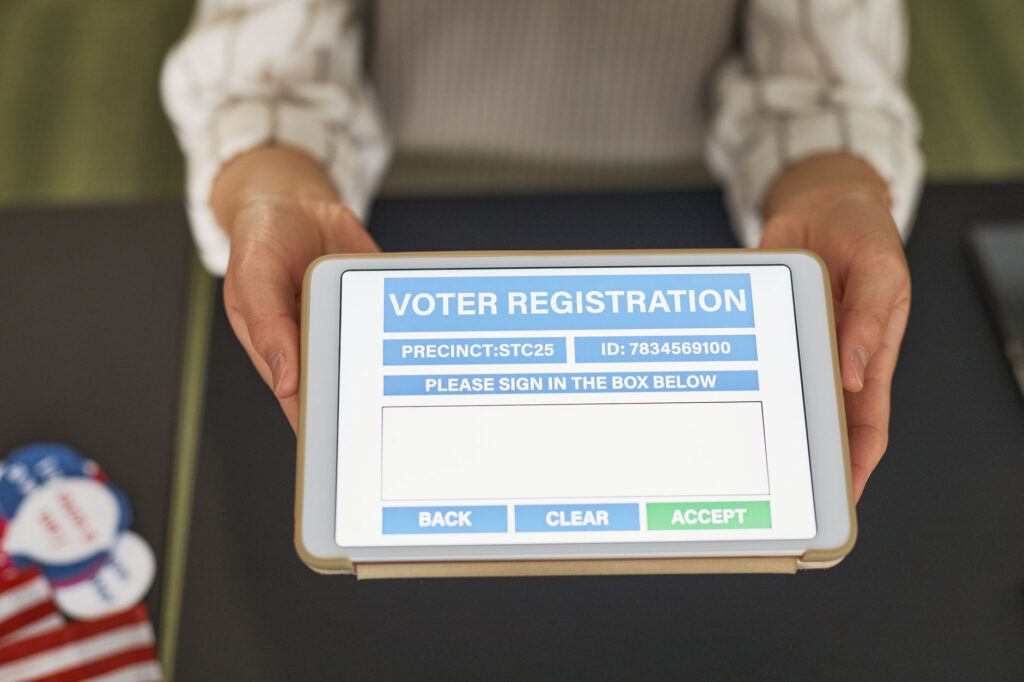

The Landscape of Electoral Registration in Delhi
Electoral administration relies heavily on clear communication between citizens and administrative bodies. In the capital region of Delhi, officials responsible for managing voter rolls frequently encounter structural challenges that impact voter participation. Among the notable hurdles is the disconnect between digital application platforms and traditional physical submission methods.
Understanding the Digital and Physical Divide
The contemporary voting ecosystem offers multiple pathways for citizens to update their information, register, or verify their status. Many eligible individuals prefer using internet-based portals for convenience. However, a significant portion of the population continues to rely on paper-based submissions handled directly by local administrative representatives.
When these two distinct systems operate without seamless synchronization, administrative friction occurs. This friction often results in delays or omissions on final electoral rolls, leaving certain voters out of the active registry during critical revision periods.
Perspectives from Election Officials and Political Workers
Administrative personnel play a vital role in bridging the gap between governance and the electorate. Booth level officers, electoral registration officers, and active political workers observe these procedural challenges firsthand on the ground.
According to feedback gathered from these frontline workers, a primary contributor to the disconnect is a widespread misunderstanding of administrative protocols. Many citizens struggle to navigate the nuances of online verification forms, while others face confusion regarding the submission of physical documents.
Bridging the Gap for Future Elections
Improving accuracy and inclusivity in voter lists requires targeted efforts to simplify administrative steps. Clearer guidance, enhanced training for registration officers, and better public outreach can help mitigate procedural confusion.
Ensuring that every eligible participant successfully navigates the registration system remains essential for democratic integrity. Addressing the root causes of the digital and physical divide is an important step toward achieving more reliable electoral rolls.