




Hypertension, or high blood pressure, is one of the most common lifestyle-related health conditions worldwide. It is often referred to as a “silent killer” because it can lead to severe complications such as heart disease, stroke, and kidney failure if left unmanaged. To combat this growing concern, experts recommend the DASH diet (Dietary Approaches to Stop Hypertension), a scientifically proven eating plan designed to lower blood pressure and improve overall cardiovascular health.
The DASH diet emphasizes nutrient-rich foods that are low in sodium, saturated fats, and added sugars, while being high in fiber, potassium, calcium, and magnesium. These nutrients work together to regulate blood pressure, reduce cholesterol, and support heart function. Recently, nutrition experts highlighted 10 specific foods that can play a crucial role in controlling hypertension and maintaining heart health when incorporated into the DASH diet.
Key Highlights
- DASH diet is recommended by experts to manage hypertension and improve heart health.
- Focuses on nutrient-rich foods with low sodium and high potassium, calcium, and magnesium.
- Expert lists 10 foods that can significantly reduce blood pressure levels.
- Small dietary changes can have big effects on long-term cardiovascular outcomes.
- DASH diet is adaptable, sustainable, and suitable for diverse populations.
The 10 Foods Recommended for Hypertension Control
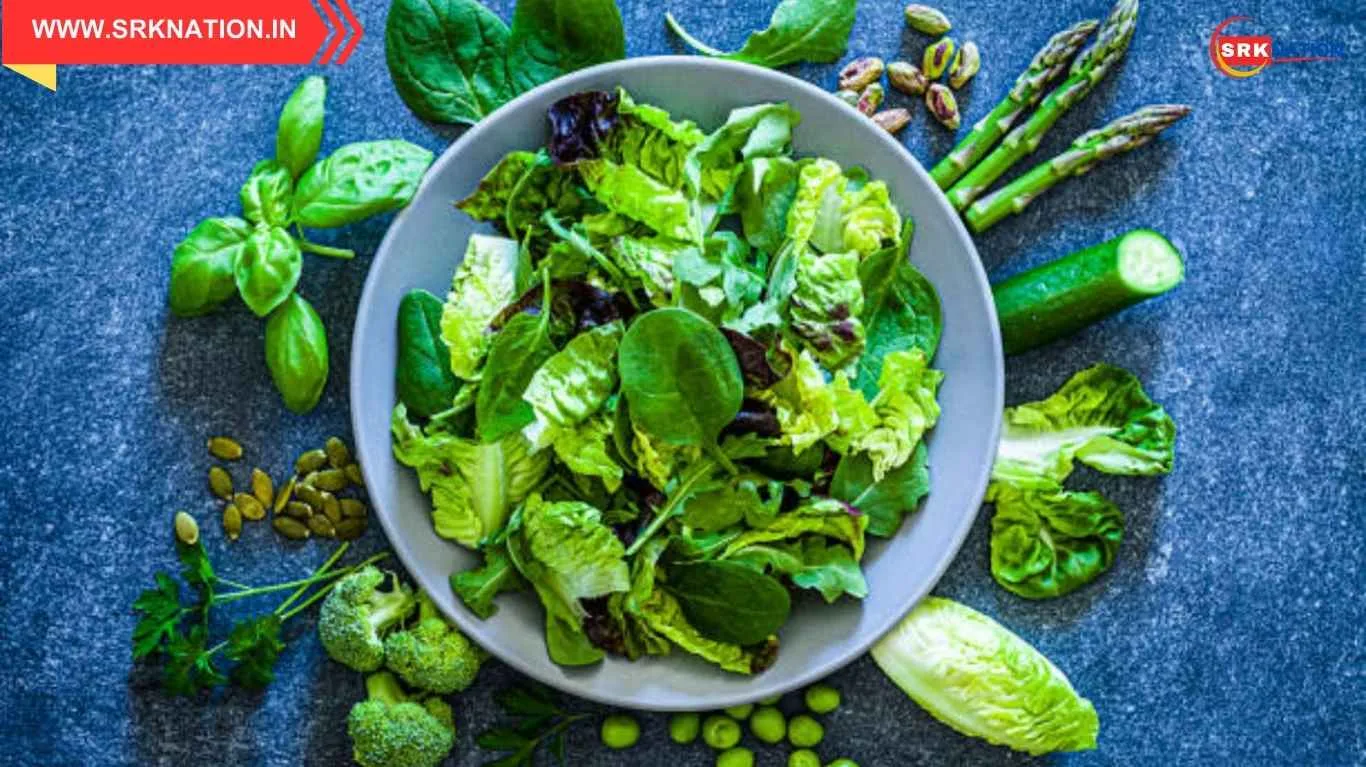
- Leafy Greens (Spinach, Kale, Swiss Chard)
- Rich in potassium and magnesium, which help balance sodium levels.
- Promote arterial flexibility and reduce blood pressure spikes.
- Berries (Blueberries, Strawberries, Raspberries)
- Packed with antioxidants and flavonoids that improve vascular health.
- Regular consumption linked to reduced risk of heart disease.
- Bananas
- High in potassium, which counteracts sodium’s effect on blood pressure.
- Easy to include in daily meals or snacks.
- Oats
- Contain soluble fiber that lowers cholesterol and supports heart health.
- Help maintain steady blood pressure levels.
- Low-Fat Yogurt
- Provides calcium and protein without excess saturated fat.
- Supports bone and heart health while aiding digestion.
- Beans and Lentils
- Excellent sources of plant-based protein, fiber, and magnesium.
- Help regulate blood sugar and blood pressure.
- Nuts (Almonds, Walnuts, Pistachios)
- Contain healthy fats, magnesium, and potassium.
- Improve cholesterol profile and reduce inflammation.
- Fatty Fish (Salmon, Mackerel, Sardines)
- Rich in omega-3 fatty acids that lower triglycerides and blood pressure.
- Promote overall cardiovascular health.
- Whole Grains (Brown Rice, Quinoa, Barley)
- Provide fiber, vitamins, and minerals essential for heart health.
- Reduce risk of hypertension and diabetes.
- Beets
- Contain nitrates that improve blood vessel dilation.
- Shown to lower blood pressure within hours of consumption.
Statistical Overview of DASH Diet Benefits
| Nutrient Focus | Key Sources (Foods) | Impact on Blood Pressure | Long-Term Heart Health Benefits |
|---|---|---|---|
| Potassium | Bananas, leafy greens | Balances sodium, lowers BP | Reduces stroke risk |
| Magnesium | Nuts, beans, lentils | Relaxes blood vessels | Improves circulation |
| Calcium | Low-fat yogurt, dairy | Strengthens arteries | Supports heart rhythm |
| Fiber | Oats, whole grains | Lowers cholesterol | Prevents atherosclerosis |
| Omega-3 fatty acids | Fatty fish | Reduces inflammation | Protects against heart disease |
DASH Diet vs Traditional Diets
| Factor | Traditional Diet | DASH Diet | Impact on Hypertension |
|---|---|---|---|
| Sodium intake | High (processed foods) | Low (fresh, whole foods) | Reduces BP significantly |
| Fiber content | Low | High | Improves cholesterol and BP |
| Fat quality | Saturated fats | Healthy unsaturated fats | Supports heart health |
| Nutrient diversity | Limited | Wide variety | Balanced nutrition |
| Sustainability | Often restrictive | Flexible and adaptable | Long-term adherence possible |
Expert Insights
Nutritionists emphasize that the DASH diet is not about strict restrictions but about making smarter food choices. By incorporating these 10 foods into daily meals, individuals can see measurable improvements in blood pressure within weeks. Experts also highlight that small changes—such as replacing refined grains with whole grains or choosing low-fat dairy over full-fat options—can have profound long-term effects.
Public Health Perspective
Hypertension affects millions globally, and dietary interventions like the DASH diet are cost-effective strategies to reduce its burden. Public health campaigns increasingly promote the DASH diet as a sustainable lifestyle choice rather than a temporary fix. Its adaptability across cultures makes it suitable for diverse populations.
Practical Tips for Incorporating DASH Foods
- Start your day with oats topped with berries and nuts.
- Include leafy greens in salads, soups, or smoothies.
- Replace refined rice with quinoa or brown rice.
- Snack on bananas or yogurt instead of processed foods.
- Add fatty fish to your weekly meal plan for omega-3 benefits.
Extended Analysis
The DASH diet’s success lies in its holistic approach. It does not focus on eliminating entire food groups but encourages balance and moderation. By emphasizing nutrient-rich foods, it addresses multiple risk factors simultaneously—blood pressure, cholesterol, weight management, and inflammation. This makes it one of the most comprehensive dietary strategies for heart health.
Conclusion
The DASH diet, with its emphasis on nutrient-rich foods and balanced nutrition, remains one of the most effective dietary approaches for managing hypertension and promoting heart health. Experts recommend incorporating 10 key foods—leafy greens, berries, bananas, oats, low-fat yogurt, beans, nuts, fatty fish, whole grains, and beets—into daily meals to achieve significant improvements. Small changes in diet can lead to big effects, making the DASH diet a sustainable solution for millions battling high blood pressure.
Disclaimer
This article is based on general medical and nutritional advice, expert commentary, and public health recommendations. It is intended for informational and editorial purposes only and should not be taken as a substitute for professional medical consultation. Readers are encouraged to seek guidance from qualified healthcare providers for personalized dietary recommendations.