









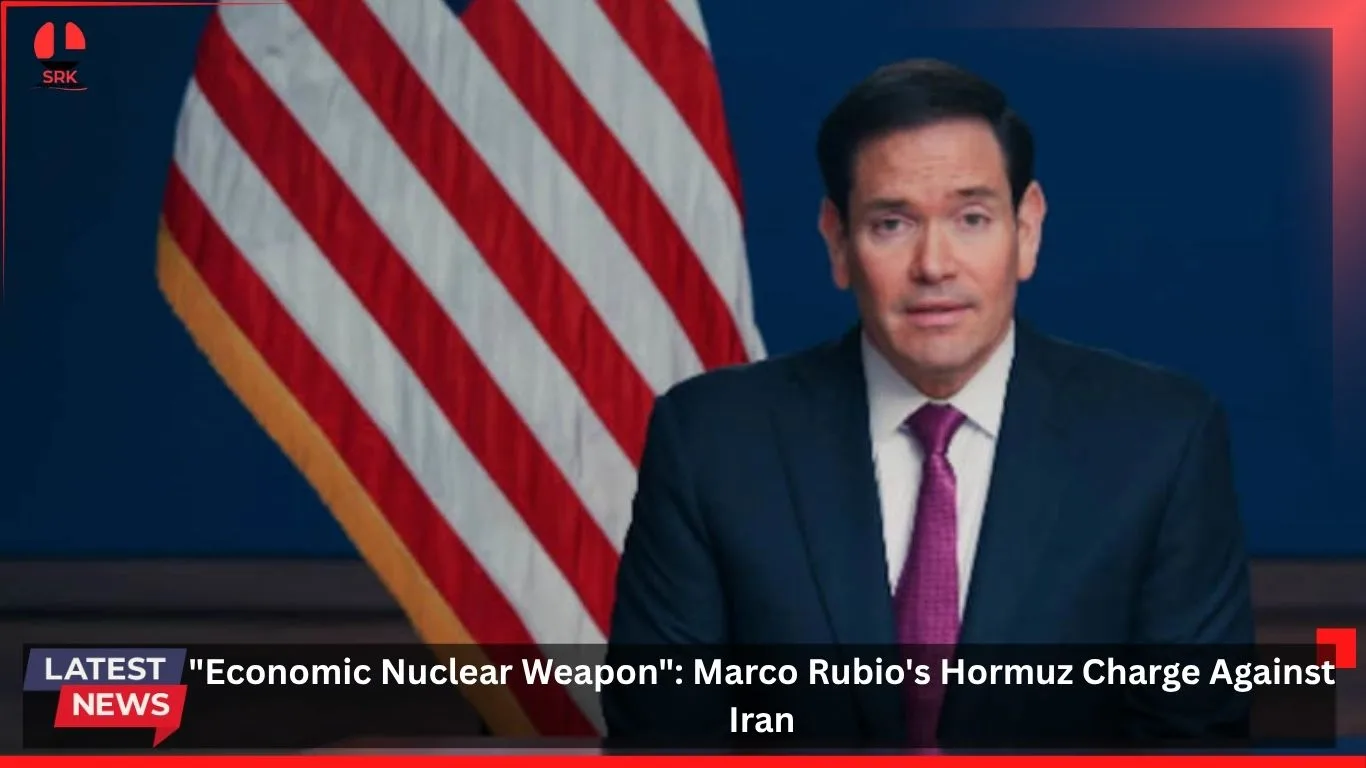
US Senator Marco Rubio has described Iran’s threats to close the Strait of Hormuz as deploying an “economic nuclear weapon,” warning that such a move could destabilize global energy markets and trigger unprecedented geopolitical consequences. His remarks highlight the strategic importance of the strait, through which nearly 20% of the world’s oil supply passes, and underscore the rising tensions in the Middle East.
Key Highlights
- Rubio’s Statement: Closing the Strait of Hormuz would be an “economic nuclear weapon.”
- Global Impact: Nearly one-fifth of global oil trade flows through the strait.
- Iran’s Position: Tehran has repeatedly threatened closure amid escalating conflict with the US and Gulf allies.
- Strategic Importance: The strait is a chokepoint for global energy security.
Why Rubio’s Charge Matters
Rubio’s characterization reflects the catastrophic economic consequences of any disruption in Hormuz. Unlike conventional military weapons, the closure of the strait would weaponize energy supplies, impacting billions worldwide.
- Oil Prices: Could surge beyond $150 per barrel.
- Global Trade: Shipping routes disrupted, raising costs for goods.
- Economic Stability: Inflationary pressures across Asia, Europe, and the US.
- Security Risks: Increased naval confrontations in the Gulf.
Strait of Hormuz Snapshot
| Category | Details |
|---|---|
| Location | Between Oman and Iran |
| Global Oil Flow | ~20% of world supply |
| Daily Transit | 21 million barrels |
| Strategic Importance | Key chokepoint for energy |
| Risk Factor | Iranian threats of closure |
Iran’s Strategy
Iran has long used the Strait of Hormuz as leverage in its geopolitical confrontations. By threatening closure, Tehran signals its ability to disrupt global markets without direct military engagement.
- Deterrence Tool: Aimed at discouraging US and Gulf military action.
- Economic Pressure: Raising costs for adversaries dependent on oil imports.
- Symbolic Power: Demonstrates Iran’s influence over global energy flows.
US and Global Response
The US Navy maintains a strong presence in the Gulf to ensure freedom of navigation. Rubio’s remarks align with Washington’s broader strategy of deterring Iran from using Hormuz as a bargaining chip.
- Military Patrols: US and allied navies conduct regular operations.
- Diplomatic Pressure: Calls for international condemnation of Iran’s threats.
- Energy Diversification: Efforts to reduce reliance on Gulf oil.
Global Energy Dependence Overview
| Region | Dependence on Gulf Oil | Impact of Hormuz Closure |
|---|---|---|
| Asia | High (China, India, Japan) | Severe supply disruption |
| Europe | Moderate | Price surge, inflation |
| USA | Lower (due to shale) | Global price shock |
| Africa | Growing imports | Rising costs |
Economic Consequences
Rubio’s “economic nuclear weapon” analogy underscores the scale of potential fallout:
- Oil Shock: Prices could double within weeks.
- Global Inflation: Food and transport costs rise.
- Financial Markets: Stock volatility and currency instability.
- Developing Nations: Severe strain on import-dependent economies.
Historical Context
Iran has previously threatened Hormuz closure during conflicts, but has never fully executed the move. Past tensions have caused temporary price spikes, showing the vulnerability of global markets.
| Year | Event | Impact |
|---|---|---|
| 1980s | Iran-Iraq War | Tanker attacks, price volatility |
| 2012 | Sanctions dispute | Threats of closure, oil prices rose |
| 2026 | Current conflict | Renewed threats, global concern |
Conclusion
Marco Rubio’s warning that Iran’s threats to close the Strait of Hormuz amount to an “economic nuclear weapon” highlights the immense global stakes involved. The strait’s role as a vital energy artery makes any disruption a potential catastrophe for markets and security worldwide.
Disclaimer
This article is a geopolitical and economic news analysis created for informational purposes only. It reflects reported statements, strategic interpretations, and market implications of Iran’s threats regarding the Strait of Hormuz. Official policy actions and military developments are subject to confirmation by governments and international agencies.