



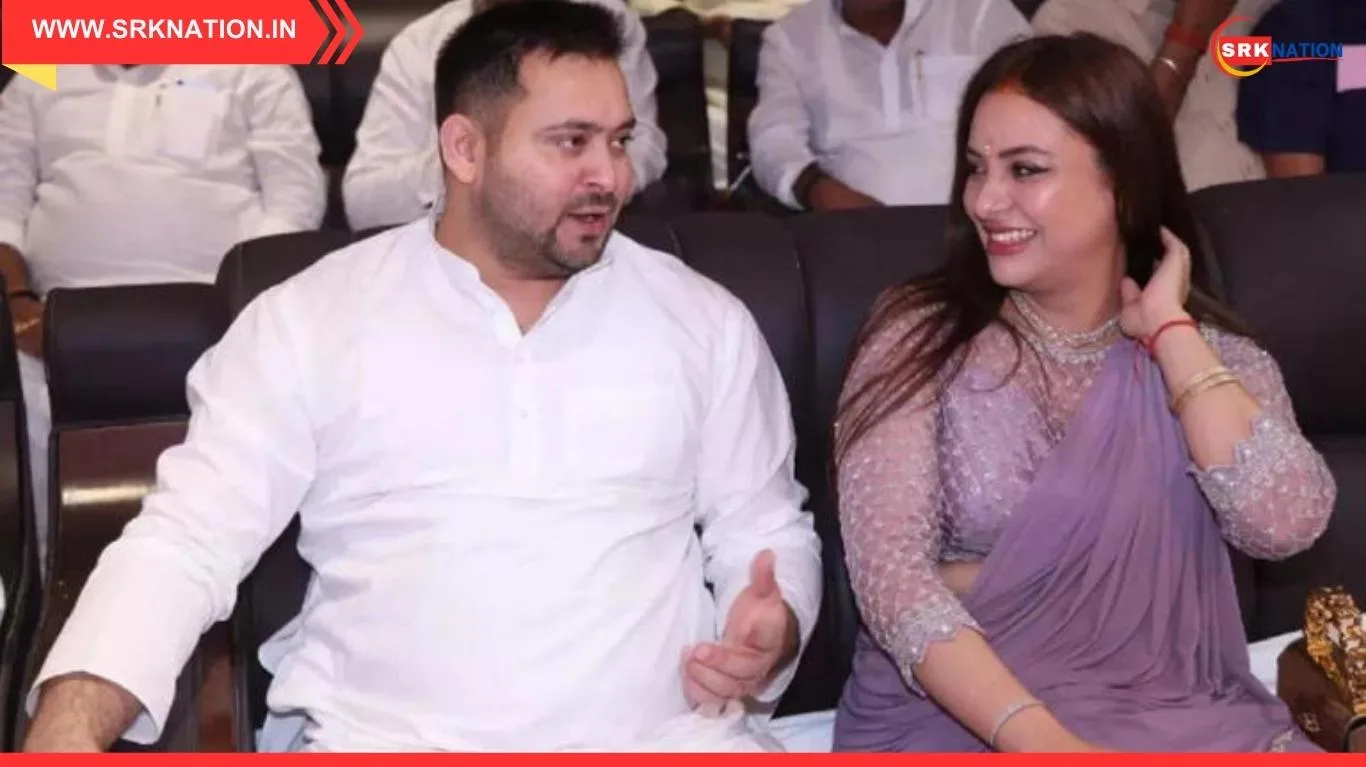
The political corridors of Bihar are abuzz with discussions after Rashtriya Janata Dal (RJD) leader Tejashwi Yadav chose to avoid media interactions and quietly left for Europe with his family following the party’s defeat in the recent Bihar elections. His absence from the political scene has sparked debates about the future of the RJD, the leadership crisis within the party, and the broader implications for Bihar’s opposition politics.
Tejashwi Yadav, who has been the face of the RJD since his father Lalu Prasad Yadav’s health and legal troubles limited his active participation, was expected to address the media and party workers after the electoral setback. Instead, his decision to travel abroad has been interpreted in multiple ways—some see it as a personal break to regroup, while others criticize it as an abdication of responsibility at a crucial juncture.
Key Highlights
- Tejashwi Yadav avoids media after Bihar election defeat.
- Heads to Europe with family, sparking speculation about his political strategy.
- RJD faces internal challenges and questions about leadership.
- Opposition in Bihar looks fragmented, giving ruling alliance an advantage.
- Analysts debate whether Tejashwi’s absence is temporary or a sign of deeper issues.
Background of the Bihar Defeat
The Bihar elections were seen as a litmus test for Tejashwi Yadav’s leadership. Despite aggressive campaigning and promises of jobs and development, the RJD failed to secure a majority. The ruling alliance capitalized on organizational strength and voter outreach, leaving the RJD struggling to maintain its traditional base.
Tejashwi’s silence after the defeat has left party workers uncertain about the next steps. Many expected him to rally the cadre, address grievances, and chart a new course for the party. Instead, his departure to Europe has created a vacuum in the opposition space.
Statistical Overview of Bihar’s Political Landscape
| Party | Seats Won | Vote Share | Current Momentum |
|---|---|---|---|
| RJD | 75+ | 23% | Facing leadership questions |
| JD(U) | 80+ | 25% | Consolidating power |
| BJP | 90+ | 28% | Strong organizational base |
| Congress | 20+ | 9% | Struggling to remain relevant |
| Left Front | 15+ | 6% | Limited but vocal presence |
Impact of Tejashwi’s Absence
| Factor | Impact on RJD | Impact on Opposition | Impact on Bihar Politics |
|---|---|---|---|
| Leadership vacuum | Creates uncertainty | Weakens opposition unity | Strengthens ruling alliance |
| Media silence | Fuels speculation | Limits narrative control | Shifts discourse to ruling party |
| Family trip abroad | Seen as retreat | Reduces visibility | Sparks debates on accountability |
| Electoral defeat | Demoralizes cadre | Fragmented opposition | Consolidates ruling power |
Reactions Within RJD
Senior leaders within the RJD have expressed mixed feelings. While some defend Tejashwi’s decision as a personal break to recover from the intense campaign, others worry that his absence sends the wrong signal to party workers. The lack of communication has left many grassroots workers demoralized, raising concerns about the party’s ability to regroup before the next electoral battle.
Opposition’s Position
The opposition in Bihar, already fragmented, faces further challenges without Tejashwi’s active presence. The Congress continues to struggle with organizational issues, while smaller parties lack the resources to mount a strong challenge. Analysts argue that Tejashwi’s absence weakens the opposition’s ability to present a united front against the ruling alliance.
Public Opinion
Public sentiment is divided. Supporters of Tejashwi argue that he deserves time with his family after a grueling campaign, while critics accuse him of abandoning his responsibilities. Social media platforms have been flooded with debates, memes, and commentary, reflecting the polarized views of Bihar’s electorate.
Expert Views
Political analysts believe Tejashwi’s decision to skip media interactions and travel abroad could have long-term consequences. While a short break may help him regroup, prolonged absence risks eroding his credibility as a leader. Experts emphasize that leadership during crises is crucial, and silence can be interpreted as weakness.
Historical Context
The RJD has faced leadership challenges before, particularly during Lalu Prasad Yadav’s legal troubles. Tejashwi’s rise was seen as a generational shift, offering hope to younger voters. However, the current situation raises questions about whether the party can sustain momentum without consistent leadership.
Extended Analysis
Tejashwi Yadav’s absence highlights the broader challenges of opposition politics in Bihar. The ruling alliance benefits from organizational strength and unity, while the opposition struggles with fragmentation and leadership crises. For the RJD, the immediate challenge is to rebuild morale and present a coherent strategy.
Tejashwi’s decision to travel abroad may be a temporary retreat, but the timing has amplified concerns. In politics, perception often matters as much as reality, and his silence risks being interpreted as disengagement. The coming months will be crucial in determining whether he can reclaim his role as the face of Bihar’s opposition.
Conclusion
RJD leader Tejashwi Yadav’s decision to skip media interactions and head to Europe with his family after Bihar’s electoral defeat has sparked intense debate. While some view it as a personal break, others see it as a failure of leadership at a critical moment. The move has left the RJD facing uncertainty, the opposition weakened, and the ruling alliance strengthened. As Bihar’s political landscape evolves, Tejashwi’s return and future actions will determine whether he can revive the party’s fortunes or whether the RJD risks further decline.
Disclaimer
This article is based on publicly available political updates, expert commentary, and media reports. It is intended for informational and editorial purposes only, offering insights into Tejashwi Yadav’s absence after Bihar’s electoral defeat and its implications for the RJD and Bihar politics.