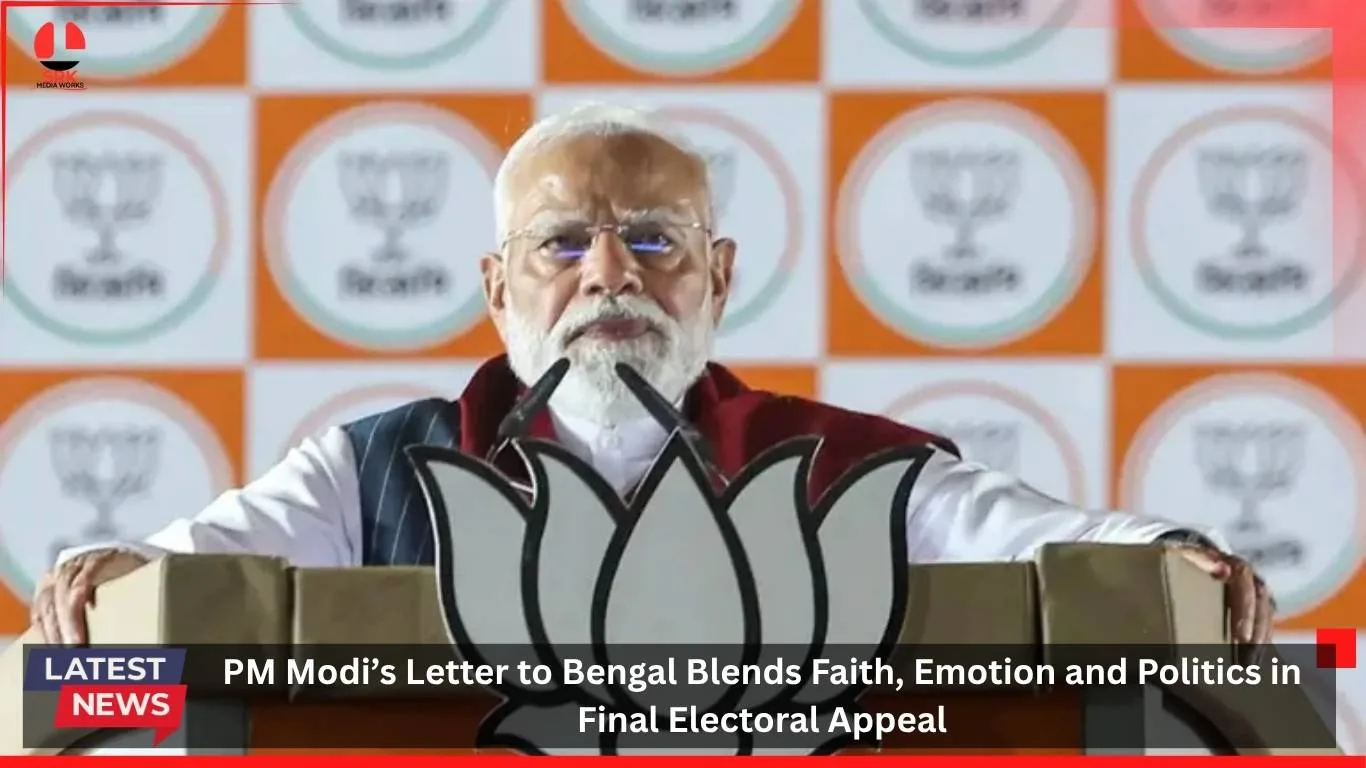


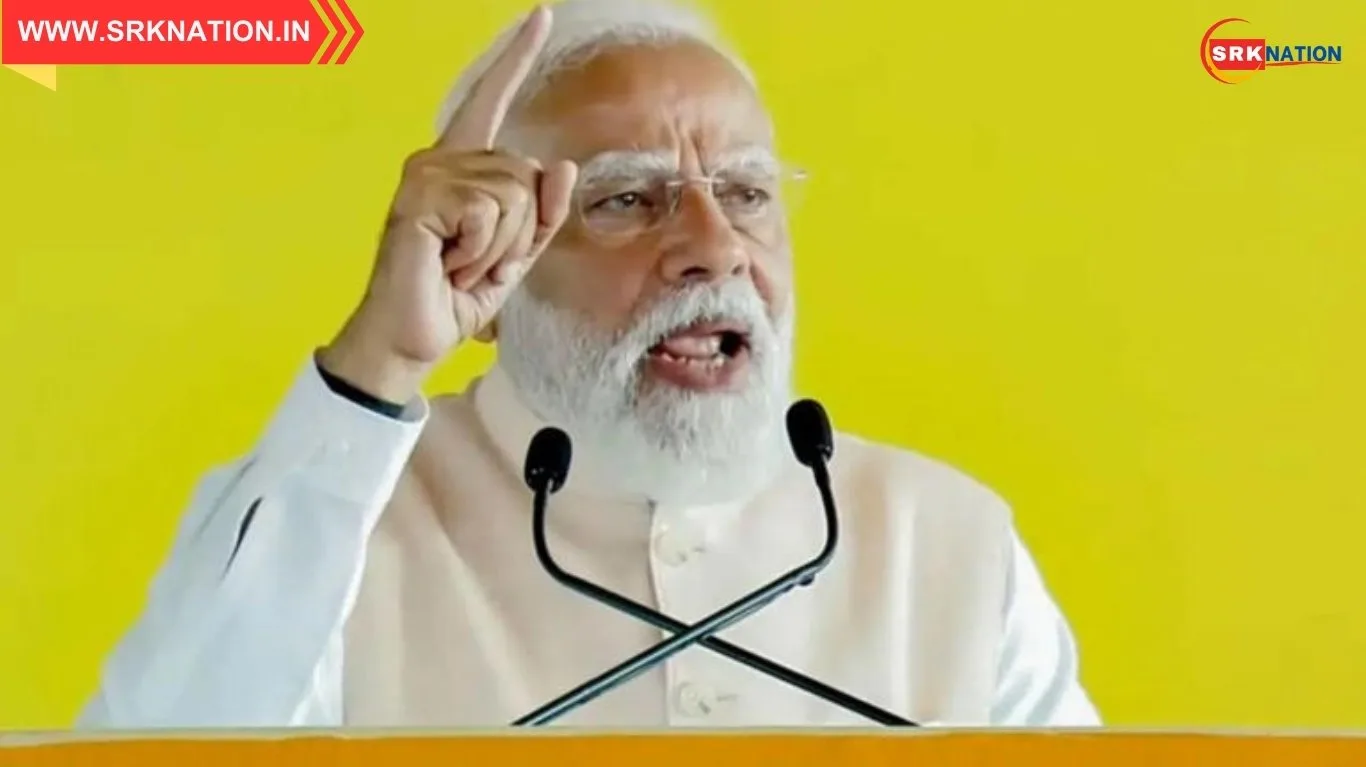
Prime Minister Narendra Modi’s recent campaign blitz across southern India has ignited intense political debate, with the BJP sharpening its narrative around corruption and morality. Central to this messaging is the evocative phrase “gold stolen from God”, which the party has used to highlight alleged mismanagement and corruption scandals involving temple wealth and public trust. As the BJP intensifies its southern push, the narrative blends cultural symbolism with political strategy, aiming to resonate with voters across Tamil Nadu, Kerala, Karnataka, and Andhra Pradesh.
Background of the Southern Campaign
- Modi’s southern blitz is part of BJP’s larger strategy to expand its footprint in regions traditionally dominated by regional parties.
- The campaign has focused on corruption allegations, governance failures, and cultural issues tied to temples and religious institutions.
- The phrase “gold stolen from God” has become a rallying cry, symbolizing betrayal of faith and misuse of sacred resources.
- BJP leaders argue that corruption in temple management reflects broader governance failures by rival parties.
Key Highlights
| Indicator | Details |
|---|---|
| Campaign Focus | Southern India (Tamil Nadu, Kerala, Karnataka, Andhra Pradesh) |
| Narrative | “Gold stolen from God” corruption theme |
| Target Issues | Temple wealth mismanagement, governance failures |
| Political Strategy | Blend of cultural symbolism and anti-corruption messaging |
| Impact | Intensified debate ahead of elections |
BJP Narrative vs Opposition Response
| Factor | BJP Narrative | Opposition Response | Implication |
|---|---|---|---|
| Symbolism | “Gold stolen from God” | Dismissed as rhetoric | Clash of narratives |
| Corruption Allegations | Temple wealth mismanagement | Denial, counter-accusations | Heightened tensions |
| Cultural Appeal | Protecting faith and heritage | Focus on secular governance | Polarized voter base |
| Media Coverage | Amplified campaign messaging | Criticism of exaggeration | Intensified scrutiny |
| Voter Impact | Emotional resonance | Rational counterpoints | Divided electorate |
Why This Story Matters
- Cultural Politics: Highlights how religion and heritage are woven into political narratives.
- Corruption Debate: Frames governance failures through symbolic language.
- Southern Strategy: Reflects BJP’s ambition to expand beyond its northern strongholds.
- Public Sentiment: Resonates with voters emotionally tied to temple traditions.
- Future Outlook: Sets the stage for high-stakes contests in southern states.
BJP’s Perspective
- The party argues that corruption involving temple wealth is not just financial misconduct but a betrayal of faith.
- Modi’s speeches emphasize moral accountability, linking governance to cultural preservation.
- The narrative positions BJP as a protector of tradition and integrity.
Opposition’s Position
- Rival parties dismiss the “gold stolen from God” phrase as political theatre.
- They argue that BJP is exploiting religious sentiment for electoral gains.
- Counter-narratives focus on secular governance, development, and social justice.
Expert Opinions
- Political Analysts: Suggest BJP’s narrative is designed to emotionally mobilize voters.
- Cultural Commentators: Highlight the symbolic power of linking corruption to temple wealth.
- Economists: Stress that corruption debates must be backed by evidence, not just rhetoric.
- Critics: Warn that mixing religion and politics could deepen polarization.
Challenges Ahead
- Evidence: BJP must substantiate corruption claims to maintain credibility.
- Polarization: Risk of alienating secular voters in southern states.
- Regional Resistance: Strong regional parties may counter BJP’s narrative effectively.
- Media Scrutiny: Continuous coverage may expose inconsistencies.
- Public Trust: Balancing emotional appeal with factual governance issues.
Opportunities
- Cultural Resonance: Narrative may strengthen BJP’s appeal among faith-driven voters.
- Anti-Corruption Platform: Positions BJP as a party of integrity.
- Southern Expansion: Campaign could boost BJP’s presence in Tamil Nadu and Kerala.
- National Messaging: Reinforces Modi’s image as a corruption fighter.
- Voter Mobilization: Emotional symbolism may increase turnout.
Broader Context of Indian Politics
- Corruption narratives have long shaped Indian elections, often framed through cultural or moral lenses.
- BJP’s southern blitz reflects a broader strategy of blending governance issues with cultural identity.
- Opposition parties face the challenge of countering emotional appeals with rational policy debates.
- The campaign underscores the evolving nature of political messaging in India.
Sectoral Breakdown of Impact
| Sector | Impact | Strategic Importance |
|---|---|---|
| Politics | Intensified rivalry | Shapes election narrative |
| Culture | Temple wealth debates | Emotional voter resonance |
| Governance | Corruption allegations | Accountability focus |
| Media | Amplified coverage | Drives public discourse |
| Voters | Emotional polarization | Influences turnout |
Media Coverage
- Headlines emphasize Modi’s use of “gold stolen from God” as a campaign theme.
- Analysts debate whether the narrative is effective or exaggerated.
- Coverage highlights the clash between BJP’s cultural appeal and opposition’s secular counterpoints.
- The story continues to dominate discussions in southern political circles.
Conclusion
Prime Minister Narendra Modi’s southern blitz has sharpened BJP’s corruption narrative through the symbolic phrase “gold stolen from God.” By linking governance failures to temple wealth mismanagement, the party seeks to emotionally mobilize voters while expanding its southern footprint. Opposition parties dismiss the rhetoric as political theatre, but the narrative underscores the evolving interplay of culture, corruption, and electoral strategy in India. As elections approach, the debate will test whether emotional symbolism or rational policy arguments resonate more strongly with the electorate.
Disclaimer
This article is intended for informational purposes only and does not constitute political or professional advice. Statements, allegations, and election outcomes are subject to change based on evolving circumstances. Readers are encouraged to follow official updates for accurate information. The author and publisher are not responsible for any decisions made based on this article.