

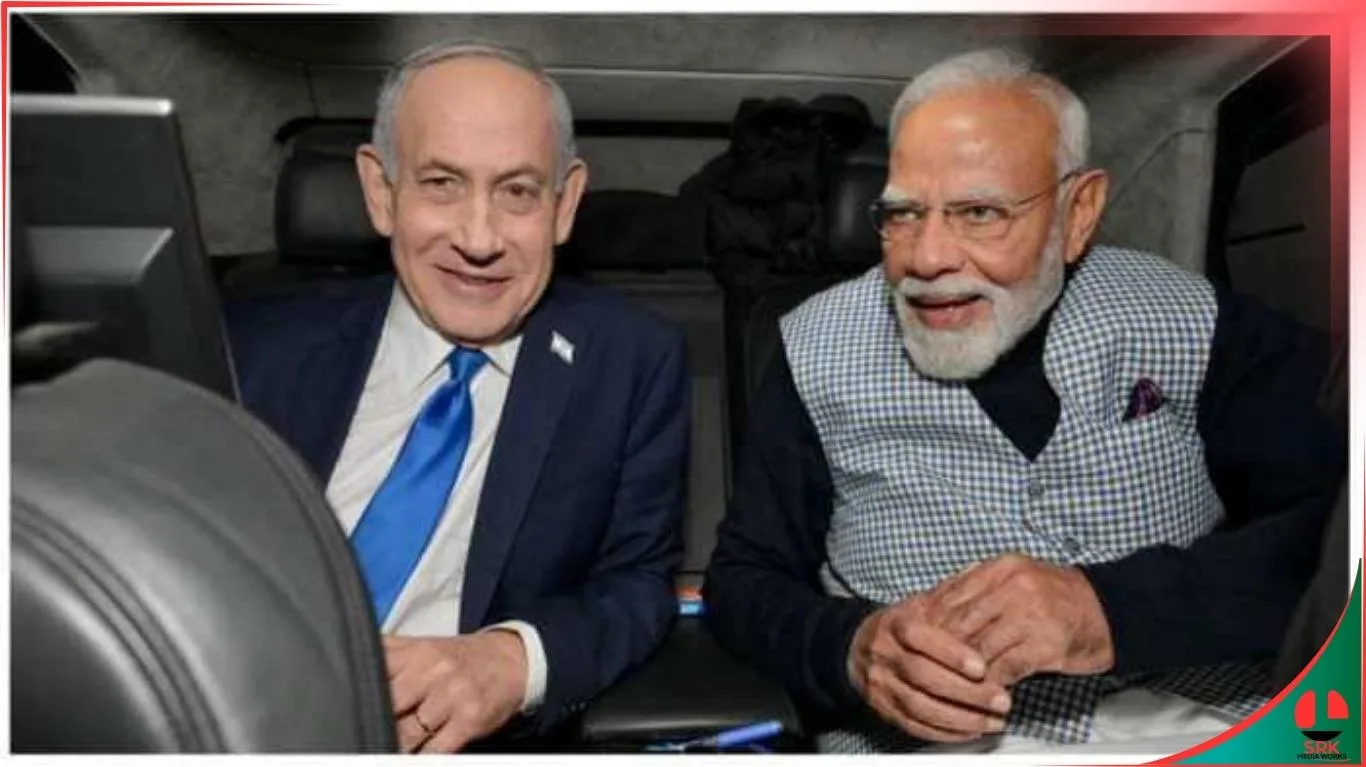
In a crucial diplomatic outreach, Prime Minister Narendra Modi spoke to Israeli Prime Minister Benjamin Netanyahu, urging an early cessation of hostilities amidst escalating tensions in the region. The conversation marks India’s first major signal of concern over the ongoing conflict, highlighting New Delhi’s emphasis on peace, stability, and dialogue.
Background of the Conversation
- Escalating Conflict: The region has witnessed heightened violence, raising concerns about civilian casualties and regional instability.
- India’s Position: PM Modi reiterated India’s consistent stance of calling for restraint, dialogue, and peaceful resolution of disputes.
- Diplomatic Outreach: The conversation with Netanyahu reflects India’s proactive engagement in global diplomacy, especially in conflict-prone regions.
India’s Diplomatic Approach
- Peace Advocacy: India has consistently called for de-escalation and dialogue in global conflicts.
- Humanitarian Concerns: Emphasis on protecting civilian lives and ensuring humanitarian aid reaches affected areas.
- Strategic Balance: India maintains strong ties with Israel while also engaging with other regional stakeholders.
- Global Responsibility: India positions itself as a responsible voice in international diplomacy.
Comparative Analysis of India’s Diplomatic Signals
| Country/Region | India’s Response | Strategic Importance |
|---|---|---|
| Israel | Call for cessation of hostilities | Defense, technology cooperation |
| Palestine | Support for humanitarian aid | Historical diplomatic ties |
| UAE | Strong condemnation of attacks | Energy, diaspora, trade |
| Global Forums | Advocacy for peace | Multilateral credibility |
Implications of PM Modi’s Statement
- Strengthening India–Israel Ties: Reinforces India’s role as a trusted partner while urging peace.
- Regional Stability: Adds weight to international calls for de-escalation.
- Humanitarian Assurance: Signals India’s concern for civilian safety and humanitarian relief.
- Global Diplomacy: Positions India as a mediator and responsible stakeholder in global affairs.
Public and Expert Reaction
- Diplomatic Analysts: Viewed Modi’s statement as a balanced approach, combining solidarity with Israel and advocacy for peace.
- Business Leaders: Welcomed India’s engagement, noting the importance of stability for trade and technology cooperation.
- Citizens: Expressed relief that India is actively voicing concern over humanitarian issues.
Lessons from the Outreach
- Diplomatic Responsiveness: Timely engagement strengthens bilateral trust.
- Balancing Interests: India’s ability to maintain ties while advocating peace reflects diplomatic maturity.
- Global Interdependence: Conflicts in one region can impact global trade, energy, and security.
- Humanitarian Priority: Protecting civilian lives remains central to India’s foreign policy messaging.
Conclusion
By speaking to Netanyahu and calling for an early cessation of hostilities, PM Modi has reinforced India’s role as a responsible global actor. The outreach reflects India’s commitment to peace, humanitarian values, and strategic diplomacy. As tensions continue, India’s balanced approach will remain crucial in shaping its global image and safeguarding its national interests.
Disclaimer
This article is based on publicly available information and aims to highlight Prime Minister Narendra Modi’s conversation with Israeli Prime Minister Benjamin Netanyahu regarding the ongoing conflict. It does not intend to criticize or promote any individual, country, or organization. The content is for informational and educational purposes only, reflecting broader issues in diplomacy, security, and international relations.