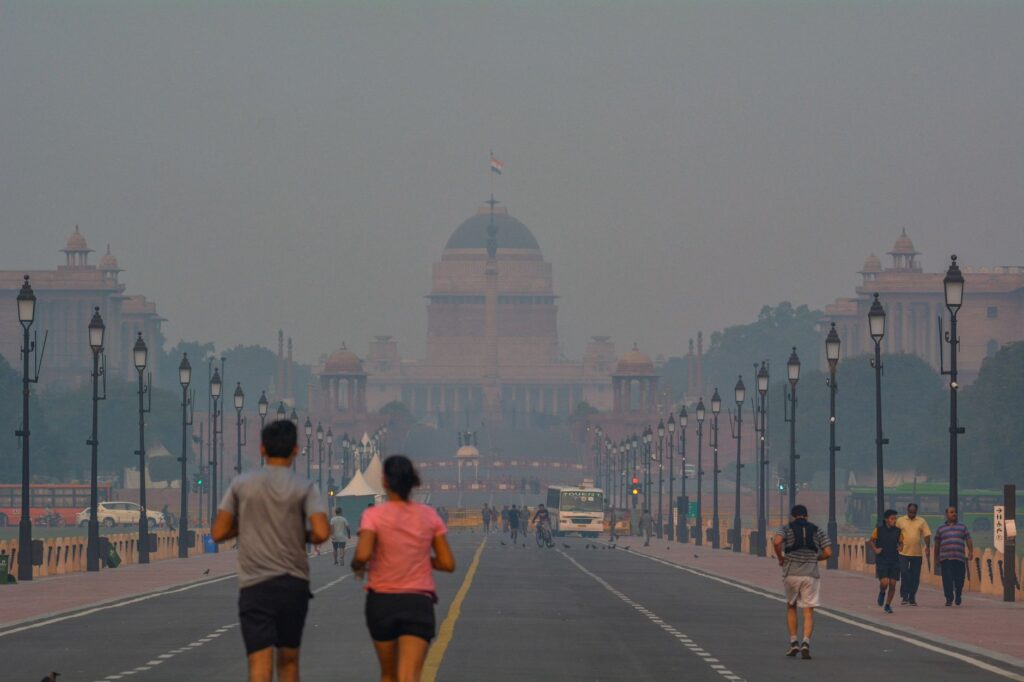

Understanding Current Air Quality Trends in the Capital
Recent environmental data released by the Central Pollution Control Board reveals a positive shift in the atmospheric conditions of the national capital. Residents recently experienced a notable reduction in airborne pollutants, leading to clearer skies and a healthier environment for outdoor activities. This recent measurement marks a steady progression toward cleaner air compared to readings recorded during the initial days of the month.
Analyzing the Recent AQI Figures
Official statistics highlight the downward trend in the daily average air quality index across the metropolis. On the first day of September, tracking systems recorded an average index of 113, placing the atmosphere in the moderate category. By September second, conditions improved slightly as the index dropped to 85. Continuing this encouraging trajectory, the latest available data indicates that the daily average index reached 71, bringing the city firmly into the satisfactory band.
Factors Influencing the Temporary Relief
Experts and meteorologists frequently attribute such short term improvements in urban pollution levels to favorable atmospheric dynamics. Wind speeds, localized weather patterns, and recent precipitation events often play a crucial role in dispersing particulate matter and clearing harmful pollutants from the lower atmosphere. These environmental variables temporarily reduce the concentration of smog and dust particles that typically trouble densely populated urban centers.
Why Clean Air May Not Last
Despite the current satisfactory readings, environmental analysts caution that this phase of breathable air could be temporary. Shifting weather systems and approaching seasonal transitions often alter wind directions and decrease atmospheric dispersion capacity. As meteorological conditions evolve in the coming weeks, the accumulation of pollutants is expected to resume, potentially pushing the index back into higher brackets.
Long Term Outlook and Public Health
Maintaining clean air in a bustling metropolitan area remains a persistent challenge for local administrators and environmental agencies. While short term relief provides a welcome break for residents, comprehensive strategies are necessary to address the root causes of urban pollution. Continuous monitoring and proactive measures will remain essential as the region prepares for changing weather patterns ahead.