



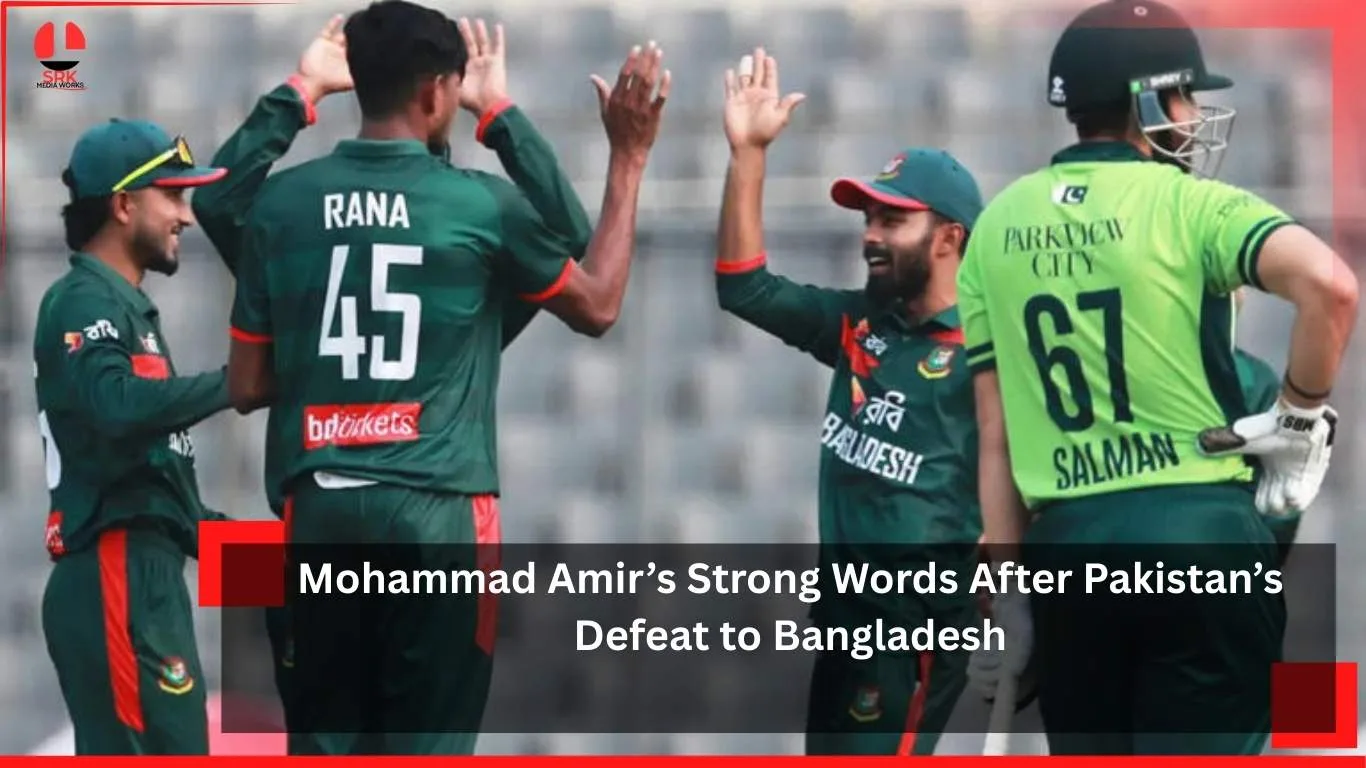
Former Pakistan fast bowler Mohammad Amir has expressed deep concern over the state of Pakistan cricket following the team’s heavy defeat to Bangladesh. In a candid statement, Amir warned that if corrective measures are not taken soon, Pakistan risks slipping to the level of an associate team. His remarks have sparked intense debate among fans, analysts, and cricketing authorities about the future of the national side.
Background of the Defeat
Pakistan’s recent drubbing at the hands of Bangladesh has intensified scrutiny on the team’s performance. The loss not only highlighted weaknesses in batting and bowling but also exposed issues in team strategy and morale. Bangladesh’s dominance in the match underscored how far Pakistan has fallen behind in consistency and competitiveness.
Mohammad Amir’s Concerns
Amir minced no words in his criticism:
- He questioned the lack of planning in Pakistan’s cricket structure.
- He highlighted the decline in player development compared to other nations.
- He warned that without reforms, Pakistan could lose its standing as a full-member team in international cricket.
- He emphasized the need for strong leadership and accountability within the Pakistan Cricket Board (PCB).
Pakistan’s Performance Trends
| Year | Major Tournament Performance | Key Issues Highlighted |
|---|---|---|
| 2022 | Early exit in Asia Cup | Batting collapse |
| 2023 | World Cup struggles | Inconsistent bowling |
| 2024 | Series losses vs Afghanistan | Poor team selection |
| 2025 | Defeat to Bangladesh | Lack of strategy |
This trend shows a steady decline in Pakistan’s ability to compete at the highest level.
Comparative Analysis of South Asian Teams
| Team | Current ICC Ranking | Strengths | Weaknesses |
|---|---|---|---|
| India | Top 3 | Strong batting depth, pace attack | Occasional middle-order collapse |
| Bangladesh | Top 7 | Consistent spin attack, discipline | Limited fast bowling resources |
| Sri Lanka | Mid-tier | Emerging young talent | Inconsistent batting |
| Pakistan | Declining | Historical pace legacy | Poor planning, weak batting order |
This comparison highlights how Pakistan has slipped behind its regional rivals.
Fan and Expert Reactions
- Fans expressed frustration, demanding accountability from the PCB.
- Experts pointed out structural flaws in domestic cricket, including weak talent pipelines.
- Former players echoed Amir’s concerns, calling for urgent reforms.
Structural Issues in Pakistan Cricket
Amir’s warning reflects deeper problems:
- Domestic cricket instability due to frequent changes in formats and management.
- Inconsistent selection policies leading to lack of team cohesion.
- Over-reliance on individual talent rather than building a strong collective unit.
- Limited investment in grassroots development compared to other cricketing nations.
Possible Solutions
Experts suggest:
- Revamping domestic cricket to ensure stability.
- Investing in academies to nurture young talent.
- Strengthening coaching and fitness programs.
- Ensuring transparent selection processes.
- Building long-term strategies instead of short-term fixes.
Global Context
Pakistan’s struggles are not unique. Other cricketing nations have faced similar declines but managed to recover through reforms. For example:
- England rebuilt its white-ball cricket after poor World Cup performances.
- India invested heavily in grassroots cricket and the IPL, creating a strong talent pool.
- Bangladesh focused on discipline and consistency, which is now paying dividends.
Conclusion
Mohammad Amir’s blunt warning serves as a wake-up call for Pakistan cricket. The defeat to Bangladesh is not just a single setback but part of a worrying trend. Unless structural reforms are implemented, Pakistan risks losing its competitive edge and slipping further down the international rankings. The cricketing fraternity now looks to the PCB for decisive action to restore pride and performance.
Disclaimer
This article is a synthesized news-style analysis created for informational and educational purposes. It does not represent official statements from Mohammad Amir or the Pakistan Cricket Board. Readers are encouraged to consult verified reports and multiple perspectives for a complete understanding of the situation.