



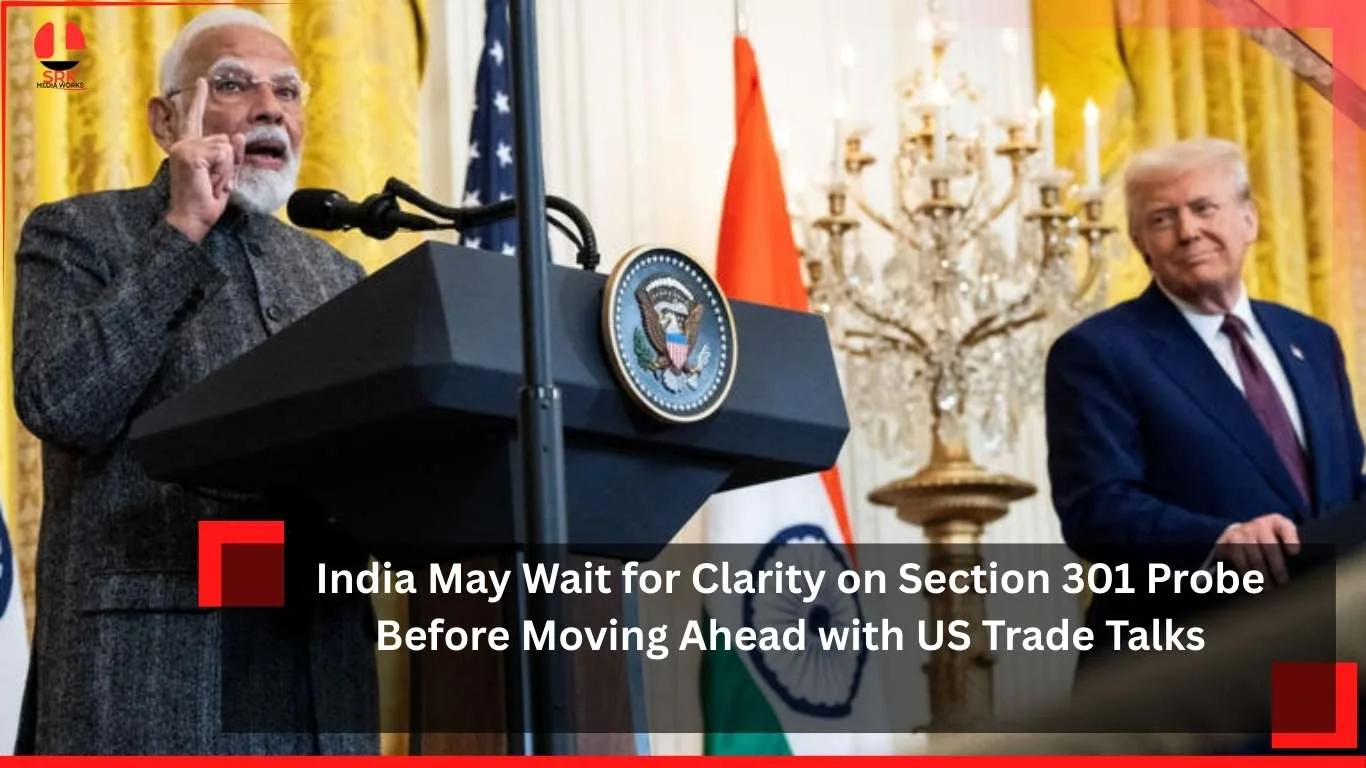
India is adopting a cautious approach toward its trade negotiations with the United States, as uncertainty looms over the ongoing Section 301 probe. The probe, initiated by the US Trade Representative (USTR), examines whether India’s trade practices are discriminatory or unfair to American businesses. Until clarity emerges, India is expected to delay advancing talks on a comprehensive trade agreement.
Background of Section 301 Probe
Section 301 of the US Trade Act empowers Washington to investigate and respond to trade practices deemed unfair. Historically, it has been used to impose tariffs or negotiate settlements. India’s inclusion in the probe raises concerns about potential punitive measures that could affect bilateral trade.
India’s Position
India has emphasized:
- The importance of fair and balanced trade relations.
- The need to avoid hasty negotiations until the probe concludes.
- A commitment to protect domestic industries while engaging in global trade.
- The desire to strengthen ties with the US, but not at the cost of sovereignty.
US Perspective
The US has raised issues related to:
- Market access restrictions.
- Intellectual property rights enforcement.
- Tariff and non-tariff barriers.
- Digital trade and e-commerce regulations.
Trade Data Overview
| Year | India-US Trade Volume (USD Billion) | Growth % |
|---|---|---|
| 2022 | 120 | 8% |
| 2023 | 135 | 12% |
| 2024 | 145 | 7% |
| 2025 | 160 | 10% |
| 2026 | 170 (projected) | 6% |
This data highlights the growing importance of India-US trade despite ongoing disputes.
Comparative Analysis of US Trade Probes
| Country | Section 301 Status | Outcome/Impact |
|---|---|---|
| China | Active | Tariffs, trade war escalation |
| India | Under review | Pending clarity |
| EU | Negotiated | Settlement through agreements |
| Brazil | Resolved | Adjusted trade practices |
India’s case remains uncertain, making policymakers cautious about moving forward.
Industry Reactions
- Exporters fear potential tariffs on goods like textiles, pharmaceuticals, and IT services.
- Importers worry about disruptions in supply chains.
- Business chambers urge both governments to resolve disputes amicably.
Political Dimension
India’s cautious stance reflects both economic and political considerations. Entering trade talks without clarity could weaken its negotiating position. By waiting, India aims to ensure that any agreement is fair and sustainable.
Possible Scenarios
- Probe concludes with no punitive action – Trade talks may resume swiftly.
- Probe leads to tariffs – India may retaliate or seek WTO intervention.
- Negotiated settlement – Both sides may compromise on specific trade issues.
Global Context
The Section 301 probe is part of a broader US strategy to address trade imbalances worldwide. India’s case is being closely watched by other nations, as it may set a precedent for future negotiations.
Conclusion
India’s decision to wait for clarity on the Section 301 probe before advancing trade talks with the US reflects a pragmatic approach. While both nations value their economic partnership, unresolved disputes must be addressed to ensure a balanced and mutually beneficial agreement. The coming months will be crucial in determining the trajectory of India-US trade relations.
Disclaimer
This article is a synthesized news-style analysis created for informational and educational purposes. It does not represent official government statements or policy endorsements. Readers are encouraged to consult verified reports and multiple perspectives for a complete understanding of the Section 301 probe and its implications.