



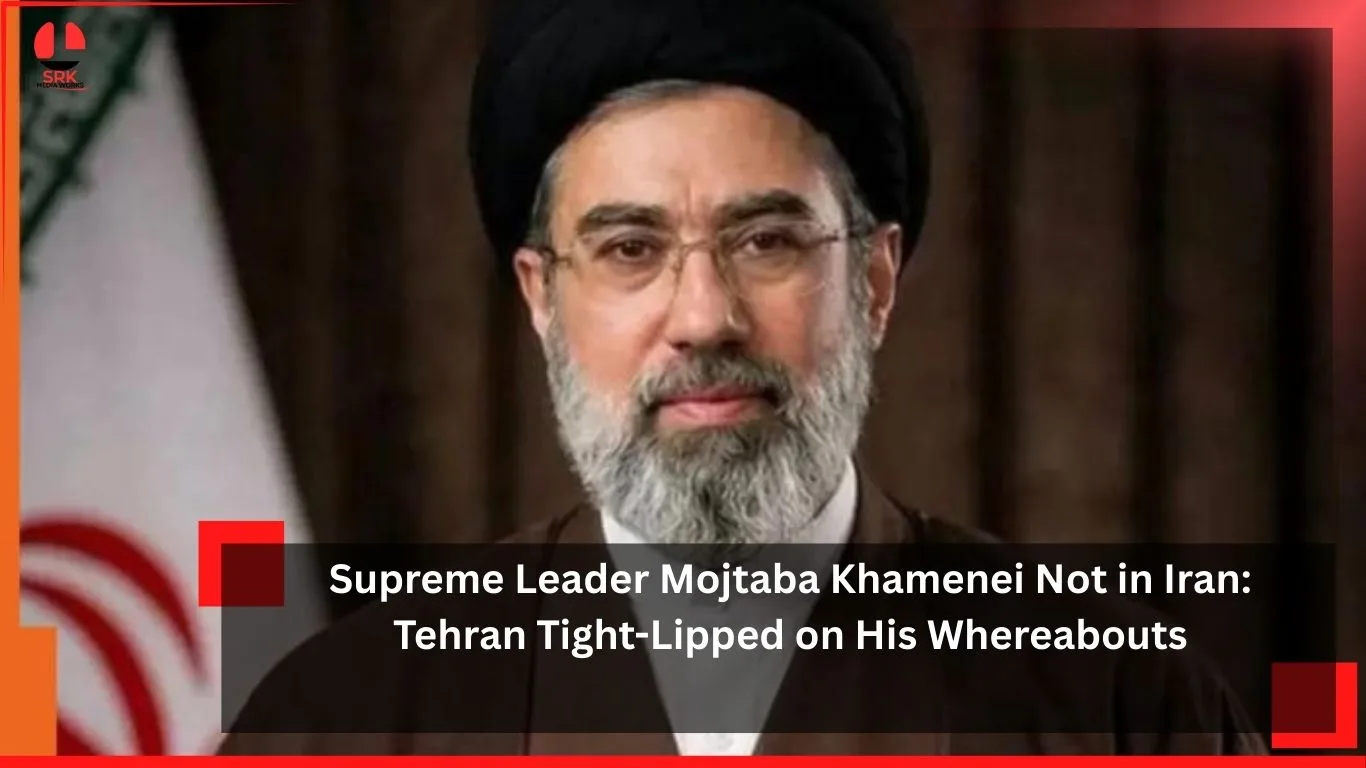
The political landscape of Iran has once again been thrust into global focus as reports suggest that Supreme Leader Mojtaba Khamenei is not currently in the country. Tehran remains tight-lipped, fueling speculation about his location and the implications of his absence. This development has sparked intense debate among analysts, diplomats, and observers worldwide, as the role of the Supreme Leader is central to Iran’s governance, foreign policy, and internal stability.
The Role of the Supreme Leader
The Supreme Leader of Iran holds the highest authority in the nation, overseeing the executive, legislative, and judicial branches, as well as the military and media. Mojtaba Khamenei, son of Ayatollah Ali Khamenei, has been increasingly recognized as a powerful figure in Iran’s political hierarchy. His absence from Iran raises questions about continuity, decision-making, and the future of the Islamic Republic’s leadership.
Tehran’s Silence
Iranian officials have not issued any formal statement regarding Mojtaba Khamenei’s location. This silence has only intensified speculation. Historically, Tehran has maintained secrecy around the movements of its top leaders, citing national security concerns. However, in the current geopolitical climate, the lack of transparency is seen as unusual and potentially destabilizing.
Possible Locations and Speculation
Analysts have floated several possibilities regarding Mojtaba Khamenei’s whereabouts:
- Neighboring Countries: Some believe he may be in a neighboring state for undisclosed diplomatic or security reasons.
- Medical Reasons: There is speculation that he could be abroad for medical treatment, though no confirmation has been provided.
- Strategic Retreat: Others suggest his absence may be part of a larger political strategy, allowing him to operate discreetly while avoiding public scrutiny.
Impact on Iranian Politics
The absence of the Supreme Leader has immediate and long-term implications:
- Decision-Making Vacuum: With the Supreme Leader not present, critical decisions on foreign policy, defense, and internal governance may face delays.
- Factional Tensions: Different political factions within Iran may attempt to assert greater influence in his absence.
- Public Perception: Ordinary citizens may interpret the silence as a sign of instability, potentially affecting domestic confidence in the government.
- International Relations: Global powers closely monitoring Iran’s actions may view this as an opportunity to recalibrate their diplomatic strategies.
Historical Precedents
Iran has experienced periods of uncertainty before when leaders have been absent or incapacitated. However, the current situation is unique given Mojtaba Khamenei’s emerging role and the heightened tensions in the Middle East.
State-Wise and Regional Reactions
The absence of Mojtaba Khamenei has triggered varied reactions across different regions:
| Region/State | Reaction Type | Key Observations |
|---|---|---|
| Tehran | Silence, no official word | Tight-lipped government stance |
| Middle East Allies | Concern and speculation | Watching closely for leadership signals |
| Western Nations | Diplomatic caution | Monitoring for shifts in Iran’s policies |
| Global Media | Speculative reporting | Highlighting secrecy and uncertainty |
This table illustrates how different stakeholders are responding to the situation, reflecting both caution and curiosity.
Analytical Breakdown of Scenarios
To better understand the implications, analysts have outlined three possible scenarios:
| Scenario | Description | Potential Impact |
|---|---|---|
| Medical Absence | Leader abroad for treatment | Temporary vacuum, eventual return |
| Diplomatic Mission | Secretive foreign engagement | Strategic negotiations, policy shifts |
| Political Strategy | Intentional retreat from public view | Consolidation of power, reduced scrutiny |
Each scenario carries distinct consequences for Iran’s domestic and international standing.
Global Implications
The uncertainty surrounding Mojtaba Khamenei’s absence has global ramifications:
- Middle East Stability: Regional powers like Saudi Arabia, Israel, and Turkey are closely watching for signs of instability.
- Nuclear Negotiations: Ongoing talks related to Iran’s nuclear program may be affected by leadership ambiguity.
- Energy Markets: Oil prices could fluctuate if instability in Iran is perceived as a threat to supply.
- Diplomatic Relations: Western nations may adopt a cautious approach, awaiting clarity before engaging further.
Public Sentiment in Iran
Within Iran, citizens are grappling with limited information. Social media discussions reflect a mix of concern, speculation, and frustration over the government’s silence. The absence of clear communication has created an atmosphere of uncertainty, with many questioning the future direction of the country.
Conclusion
The absence of Supreme Leader Mojtaba Khamenei from Iran, coupled with Tehran’s silence, has created a wave of speculation and concern both domestically and internationally. Whether his absence is due to medical, diplomatic, or strategic reasons, the implications are profound. The coming weeks will be crucial in determining how Iran navigates this period of uncertainty and how global powers respond to the evolving situation.
Disclaimer
This article is based on available information and analytical perspectives. It does not confirm or deny the exact location of Mojtaba Khamenei. Readers are advised to treat the content as speculative analysis and await official statements from credible authorities for verified updates.