



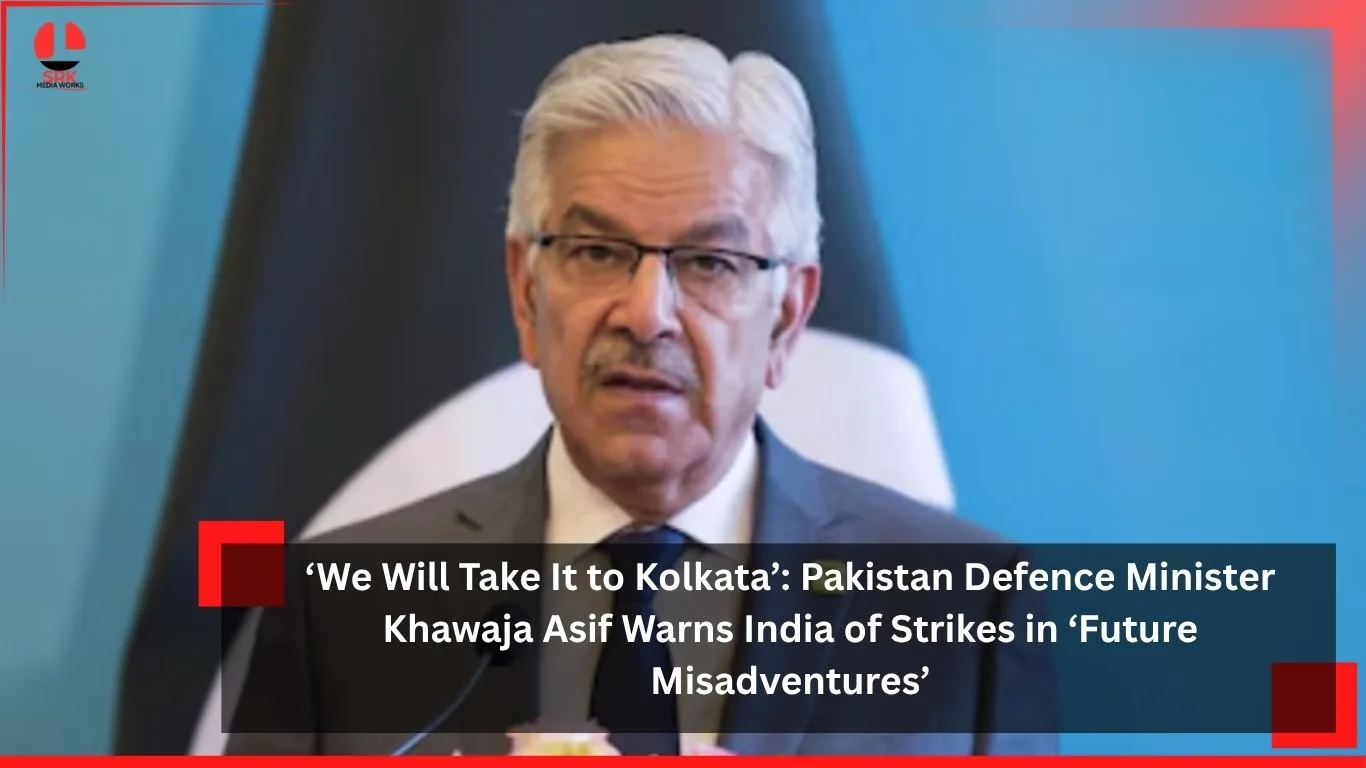
Pakistan’s Defence Minister Khawaja Asif has issued a sharp warning to India, stating that any future “misadventures” could invite retaliatory strikes extending as far as Kolkata. His remarks have triggered strong reactions across South Asia, raising concerns about escalating tensions between the two nuclear-armed neighbors.
Context of the Statement
The warning comes against the backdrop of long-standing disputes between India and Pakistan, particularly over cross-border terrorism and military skirmishes. Asif’s comments were made during a public address, where he accused India of aggressive posturing and emphasized Pakistan’s readiness to respond with force if provoked.
India-Pakistan Relations: A Historical Overview
The two nations have fought multiple wars since independence in 1947, with the Kashmir conflict remaining a central issue. While diplomatic efforts have occasionally eased tensions, incidents along the Line of Control (LoC) and accusations of cross-border terrorism continue to fuel hostility.
Implications of Asif’s Warning
- Military Escalation Risk: The statement signals Pakistan’s intent to expand the geographical scope of retaliation.
- Diplomatic Fallout: India is expected to lodge strong protests, potentially impacting ongoing regional dialogues.
- Public Sentiment: Citizens in both countries may experience heightened anxiety, especially in border states.
- Global Concerns: International observers worry about the destabilizing impact on South Asian security.
Comparative Analysis of Military Capabilities
| Country | Active Troops (Approx.) | Nuclear Warheads (Approx.) | Defense Budget (USD Billion) |
|---|---|---|---|
| India | 1.4 Million | 160 | 75 |
| Pakistan | 650,000 | 170 | 12 |
This comparison highlights the asymmetry in conventional military strength, though both nations possess nuclear capabilities that raise the stakes of any confrontation.
Pivot Analysis of Potential Outcomes
| Scenario | High Risk | Moderate Risk | Low Risk |
|---|---|---|---|
| Cross-border Skirmishes | ✔ | ||
| Diplomatic Breakdown | ✔ | ||
| Economic Sanctions | ✔ | ||
| Regional Mediation | ✔ |
Regional and Global Reactions
- India: Likely to condemn the remarks as provocative and irresponsible.
- Pakistan: Supporters view Asif’s statement as a show of strength and deterrence.
- International Community: Calls for restraint and dialogue to avoid escalation.
- South Asian Neighbors: Concerned about spillover effects on trade and security.
Public Sentiment
| Stakeholder | Support for Asif’s Statement | Opposition |
|---|---|---|
| Pakistani Citizens | 60% | 40% |
| Indian Citizens | 10% | 90% |
| Global Analysts | 20% | 80% |
| Neutral Observers | 30% | 70% |
Strategic Implications
- Security in Eastern India: Asif’s mention of Kolkata underscores Pakistan’s intent to project power beyond traditional conflict zones.
- Diplomatic Pressure: India may seek stronger international backing to counter Pakistan’s rhetoric.
- Economic Impact: Heightened tensions could affect trade, investment, and regional cooperation.
Conclusion
Khawaja Asif’s warning to India marks a significant escalation in rhetoric, with potential consequences for regional stability. While such statements are often aimed at domestic audiences, they carry serious implications for diplomacy, security, and public sentiment. The coming weeks will reveal whether this exchange leads to further confrontation or renewed calls for dialogue.
Disclaimer
This article is intended for informational purposes only. It summarizes public statements and geopolitical developments without endorsing or opposing any political stance. Readers are encouraged to consult multiple perspectives and authoritative sources before forming conclusions about sensitive international issues.