




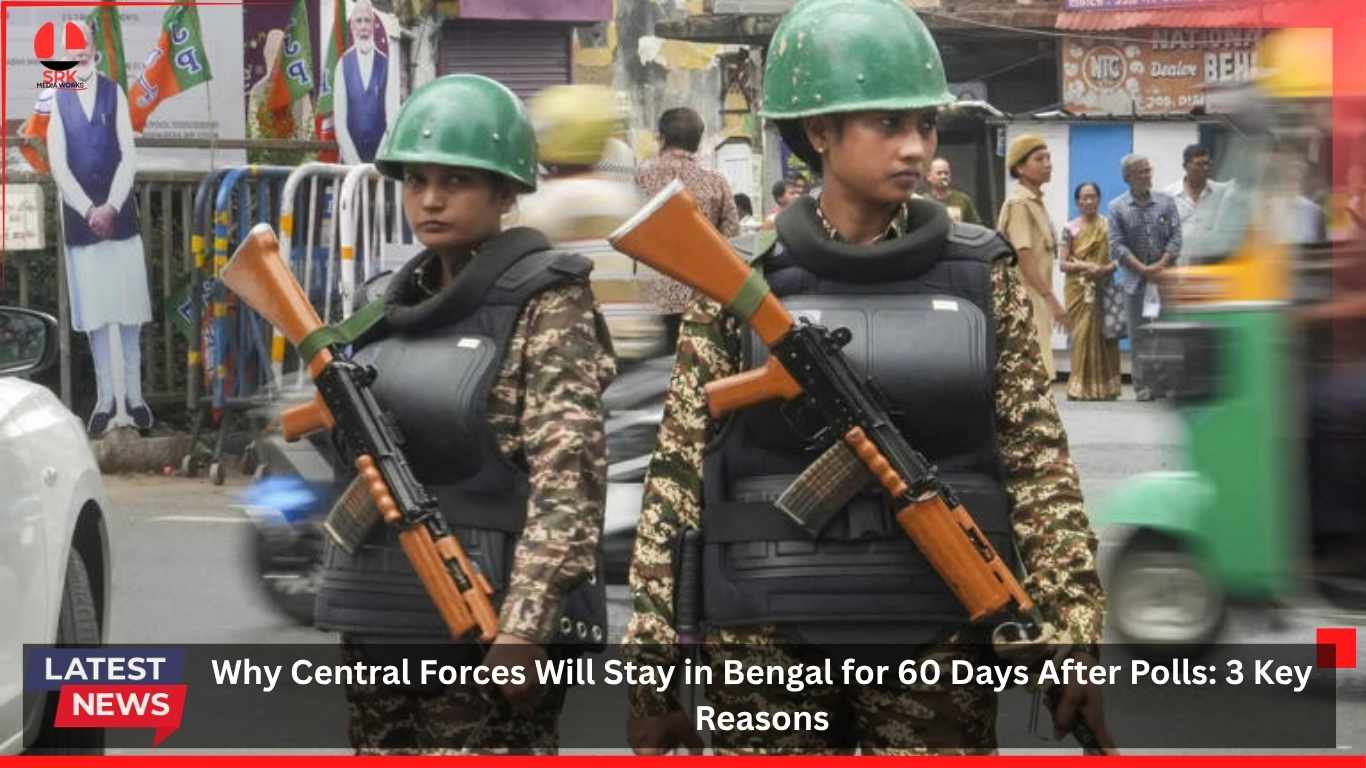
The deployment of central forces in West Bengal during elections has always been a matter of intense debate, reflecting the state’s volatile political climate and history of post-poll violence. This time, the decision to keep central forces stationed in Bengal for 60 days after the polls has raised eyebrows and sparked discussions across political and social circles. The move is seen as a precautionary measure to ensure peace, stability, and the credibility of the electoral process.
1. Preventing Post-Poll Violence
West Bengal has a long history of political clashes, especially during and after elections. Rival parties often accuse each other of intimidation, booth capturing, and violence against workers. Post-poll violence has been a recurring issue, with reports of attacks on party offices, supporters, and even ordinary citizens.
By keeping central forces in the state for 60 days after polling, authorities aim to:
- Deter violence: Their presence acts as a strong deterrent against political groups attempting to settle scores after results.
- Protect citizens: Ensuring that ordinary people are not caught in the crossfire of political rivalries.
- Maintain law and order: Local police often face accusations of bias, and central forces provide a neutral enforcement mechanism.
This extended deployment is meant to reassure voters that their safety will not be compromised once the ballots are cast.
2. Ensuring Smooth Transition of Power
Another key reason for the prolonged stay of central forces is to ensure a smooth transition of power, regardless of which party wins. In a politically charged state like Bengal, the period immediately after election results can be tense.
- Preventing unrest: Supporters of losing parties may resort to protests or violence.
- Protecting government institutions: Offices, schools, and public infrastructure often become targets during political clashes.
- Safeguarding officials: Election officials, government employees, and law enforcement personnel may face threats during this period.
The presence of central forces ensures that the transition of power happens without disruption, maintaining the credibility of the democratic process.
3. Monitoring and Investigating Electoral Malpractices
The Election Commission has often faced criticism regarding allegations of rigging, booth capturing, and voter intimidation in Bengal. By keeping central forces in place for 60 days, authorities can:
- Investigate complaints: Many allegations surface after polling, and central forces can assist in inquiries.
- Secure evidence: Protecting polling stations, ballot boxes, and electronic voting machines (EVMs) until the process is fully completed.
- Support transparency: Their continued presence reassures citizens that the electoral process is being monitored impartially.
This extended deployment is not just about maintaining peace but also about reinforcing trust in the democratic system.
Political Reactions
The decision has sparked mixed reactions:
- Ruling party in Bengal: Accuses the central government of interfering in state matters and undermining local law enforcement.
- Opposition parties: Welcome the move, claiming it will prevent intimidation and ensure fair treatment of their workers.
- Citizens: Many see it as a necessary step to protect democracy, though some worry about the implications for state autonomy.
Historical Context
West Bengal has witnessed some of the most violent elections in India’s history. From clashes between Left and Congress in earlier decades to the fierce battles between Trinamool Congress and BJP in recent years, the state has often been in the spotlight for electoral unrest.
The Election Commission’s decision reflects lessons learned from past experiences, where violence continued weeks after polling ended.
Conclusion
The decision to keep central forces in Bengal for 60 days after polls is rooted in three key reasons: preventing post-poll violence, ensuring smooth transition of power, and monitoring electoral malpractices. While politically contentious, the move underscores the importance of safeguarding democracy in a state known for its intense political rivalries.
Disclaimer
This article is a detailed news analysis based on publicly available information and political discussions regarding the deployment of central forces in West Bengal. It is intended for informational and journalistic purposes only. The content does not represent personal opinions or endorsements. Readers are encouraged to verify details independently before forming conclusions.