





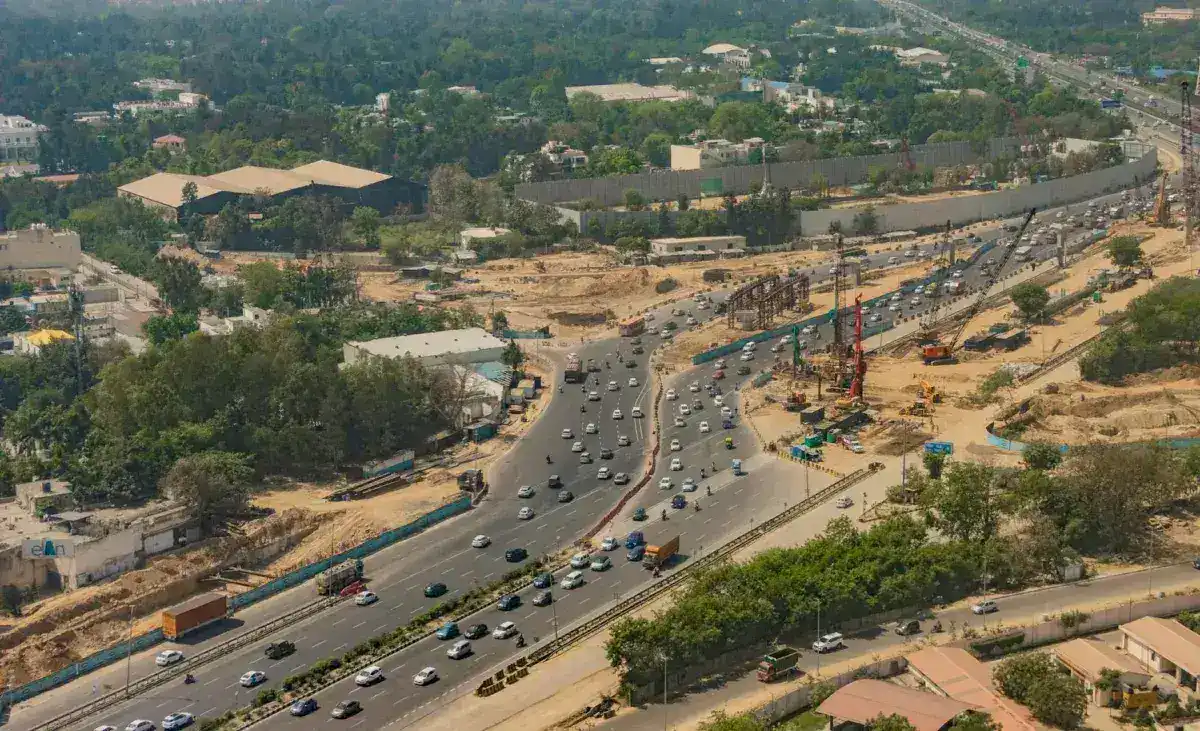
The Uttar Pradesh government has declared a 15-day toll-free period for the newly inaugurated Ganga Expressway, commencing from its official opening. This strategic decision aims to encourage early adoption by commuters, promote tourism, and allow the public to experience the state’s longest expressway without immediate cost.
Context: A Vision for Connectivity and Development
The Ganga Expressway is a monumental infrastructure project envisioned to connect the western and eastern parts of Uttar Pradesh. Spanning approximately 594 kilometers, it links districts like Meerut, Hapur, Bulandshahr, Amroha, Sambhal, Badaun, Bareilly, Rampur, Moradabad, and finally Saharanpur, with connections to Agra and other key regions via link expressways. The project’s primary objectives include reducing travel time between major cities, decongesting existing roadways, and fostering economic development along its corridor.
Construction of the expressway, undertaken by the Uttar Pradesh Expressways Industrial Development Authority (UPEIDA), has been a significant undertaking involving land acquisition, engineering challenges, and substantial investment. The expressway is designed with six lanes, expandable to eight, featuring advanced safety features, service roads, and integrated facilities to ensure a smooth and secure travel experience.
The Inaugural Offer: Bridging the Gap
The announcement of a 15-day toll-free period follows the official inauguration of the expressway. This period serves as an introductory phase, allowing residents and travelers to familiarize themselves with the new route and its benefits. By removing the initial financial barrier, the government hopes to generate immediate traffic and positive word-of-mouth, crucial for the expressway’s long-term success.
This initiative is particularly beneficial for early adopters, including commercial transporters, daily commuters between connected cities, and tourists planning to explore destinations accessible via the expressway. It provides a risk-free opportunity to gauge the time savings and convenience offered by this modern infrastructure.
Economic and Social Ripple Effects
The Ganga Expressway is poised to significantly impact the socio-economic landscape of Uttar Pradesh. Improved connectivity is expected to stimulate industrial growth, facilitate the movement of goods and services, and create employment opportunities. The toll-free period is a deliberate step to accelerate these potential benefits by encouraging immediate use and visibility.
Local economies along the expressway corridor are anticipated to see a boost in tourism and related businesses. The ease of travel can attract more visitors to historical sites, religious destinations, and natural attractions in the region. This initial surge in traffic, facilitated by the toll waiver, can provide a vital early boost to these sectors.
Expert Views and Data
Infrastructure analysts suggest that such introductory toll-free periods are common practice globally for new major road projects. “It’s a proven strategy to build initial momentum and gather crucial feedback on traffic flow and user experience,” commented Dr. Alok Sharma, a transport economist. “The objective is to overcome initial user inertia and demonstrate the value proposition of the new infrastructure quickly.”
Data from UPEIDA indicates that the expressway is designed to handle a significant volume of traffic, aiming to divert a substantial portion of vehicles currently using congested national highways. The toll-free period is expected to help achieve initial traffic targets, providing valuable data for future tolling strategies and traffic management plans.
Implications for Commuters and Industry
For commuters, the 15-day toll-free period represents a direct financial benefit and an opportunity to experience faster, more efficient travel. It allows them to assess the time and fuel savings firsthand, potentially influencing their long-term travel choices. Businesses, especially logistics and transportation companies, can leverage this period to optimize their routes and delivery schedules.
The tourism industry stands to gain significantly. The reduced travel time can make previously distant attractions more accessible, encouraging weekend getaways and longer tourist visits. This could lead to increased demand for accommodation, food services, and local guides in the areas along the expressway.
Future Outlook: Sustaining Momentum
Following the 15-day period, the standard toll collection will commence. The success of this introductory phase will be crucial in setting the tone for the expressway’s operational future. Authorities will be closely monitoring traffic volumes, user feedback, and the economic impact during this period to fine-tune operational strategies and marketing efforts.
Key aspects to watch include the long-term traffic volume compared to projections, the actual economic impact on local businesses and employment, and how effectively the expressway integrates with the broader transport network of Uttar Pradesh. The government’s ability to sustain the momentum generated by the toll-free period will be vital for realizing the full potential of this ambitious infrastructure project.