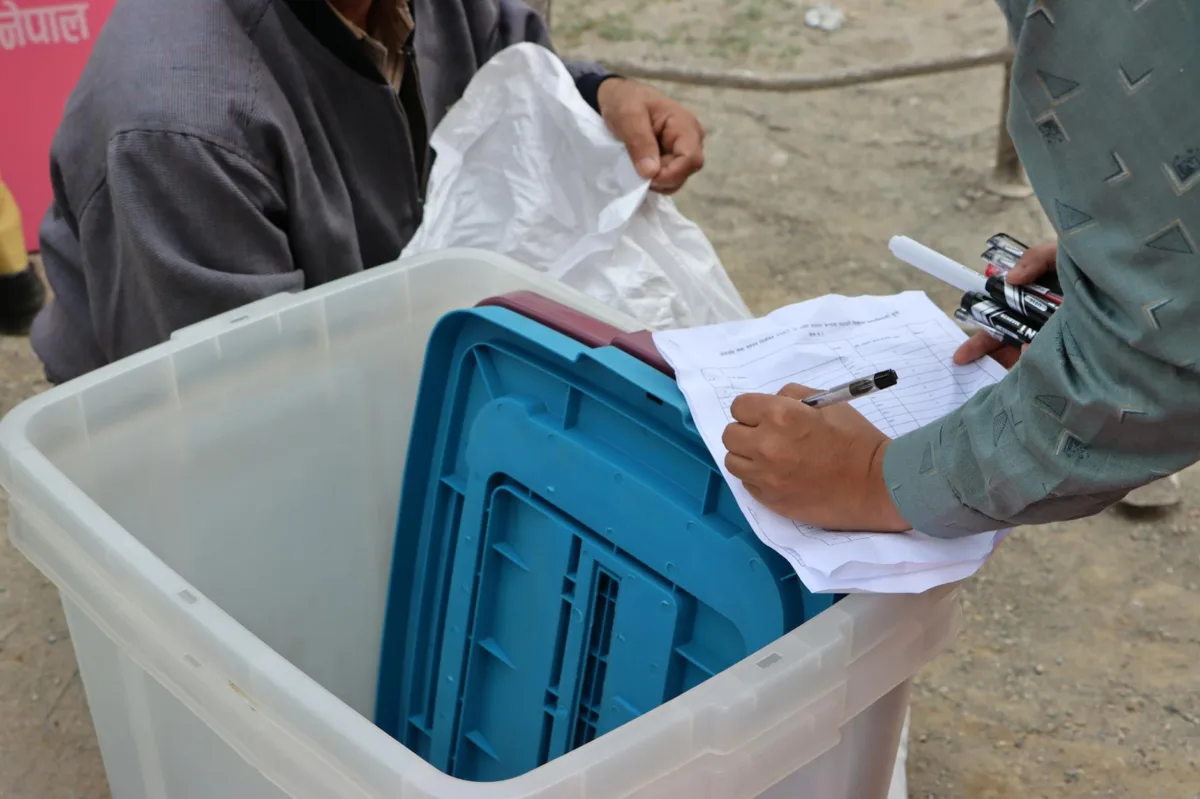





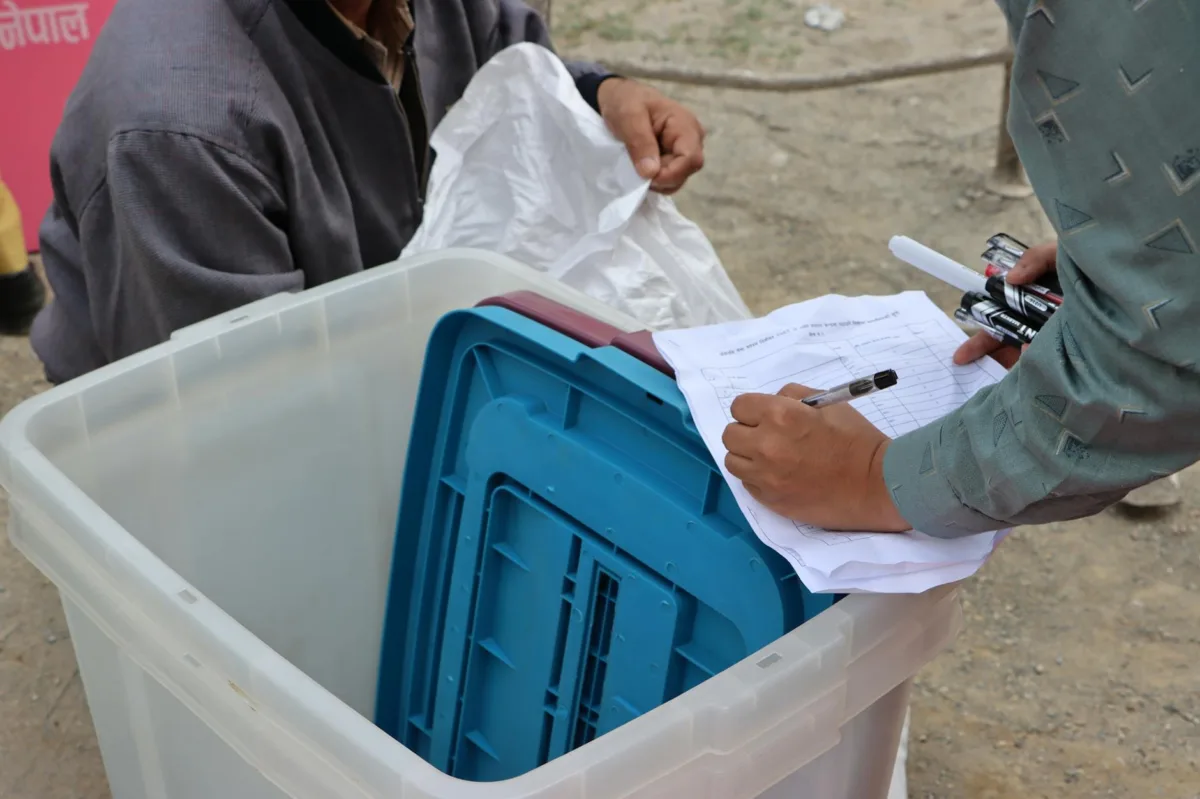
Election officials in West Bengal commenced repolling at 15 designated stations across two key constituencies today, following orders from the Election Commission of India (ECI) to address procedural irregularities identified during the initial phase of the 2026 Assembly Elections. The exercise, which began at 7:00 AM local time, targets 11 polling stations in the Magrahat Paschim assembly constituency and four in the high-profile Diamond Harbour area. Authorities initiated the fresh round of voting after reviewing reports of booth jamming, technical malfunctions in Electronic Voting Machines (EVMs), and allegations of external interference that compromised the initial vote integrity.
The Context of Electoral Integrity in West Bengal
West Bengal’s electoral history often involves complex logistical challenges and a highly charged political atmosphere. The decision to order repolls is grounded in the Representation of the People Act, 1951, which empowers the ECI to void original votes if it finds that polling at a station has been unlawfully taken away, or if EVMs are accidentally or intentionally destroyed or tampered with. In this specific cycle, the 15 booths in question became flashpoints of contention between the ruling All India Trinamool Congress (AITC) and the primary opposition, the Bharatiya Janata Party (BJP), with both sides lodging multiple complaints with district election officers.
The constituencies of Magrahat Paschim and Diamond Harbour are strategically significant. Diamond Harbour, in particular, remains a focal point of state politics due to its association with high-ranking political leadership. Any disruption in these areas draws immediate national scrutiny, forcing the ECI to adopt a zero-tolerance policy toward administrative lapses. The current repoll aims to restore public confidence in the democratic process before the final counting of votes begins.
Security Measures and On-Ground Operations
To prevent a recurrence of the issues that led to the repoll, the Election Commission has deployed double the standard contingent of Central Armed Police Forces (CAPF) at each of the 15 locations. Micro-observers have been stationed inside every booth to monitor the process in real-time, while webcasting has been made mandatory for all 15 stations to provide a direct feed to the state and central election hubs. Local police have also enforced a 200-meter restricted zone around each school and community center serving as a polling station, ensuring that only valid voters and authorized personnel gain entry.
District magistrates reported that the morning hours saw a steady, albeit cautious, voter turnout. By 11:00 AM, turnout figures hovered near 25 percent, suggesting that while some voters were wary of potential unrest, many remained committed to exercising their franchise. Political agents from all major parties are present at the stations, closely observing the identification process to prevent any instances of proxy voting.
Expert Analysis and Institutional Data
Data from previous election cycles suggests that repolls in West Bengal are not uncommon but have become more targeted in recent years. In the 2021 Assembly Elections, several booths saw similar orders due to localized violence. According to electoral analysts, the shift from widespread repolls to booth-specific orders indicates a more sophisticated monitoring system using digital forensics and GPS-tracked EVM movement. Experts suggest that the speed with which the ECI acted in Magrahat Paschim and Diamond Harbour reflects an institutional goal to conclude the election phases without lingering legal disputes over specific booth results.
“The logistical burden of a repoll is significant, involving the recalibration of machines and the redeployment of hundreds of staff,” noted a former State Election Commissioner. “However, the cost of not acting is higher, as it risks delegitimizing the eventual winner’s mandate in those specific constituencies. The high presence of central forces is designed to act as a psychological deterrent against those who would seek to disrupt the queue.”
Broader Implications for the 2026 Mandate
For the residents of Magrahat Paschim and Diamond Harbour, the repoll is a second chance to ensure their voices are accurately recorded. For the political parties, it is a final opportunity to mobilize their ground-level cadres in these specific pockets. The results from these 15 booths could prove decisive in close-run contests, where the margin of victory might be smaller than the total number of registered voters in the affected stations.
Looking forward, the success of today’s repoll will determine how the ECI approaches the remaining phases of the 2026 elections. If the process remains peaceful and transparent, it will set a precedent for rapid intervention in future disputes. Observers are now watching for the official turnout figures at the close of the day and any subsequent statements from party leadership regarding the conduct of the CAPF and polling staff. The focus will soon shift to the strongrooms where the EVMs will be stored under multi-tier security until the state-wide counting day.