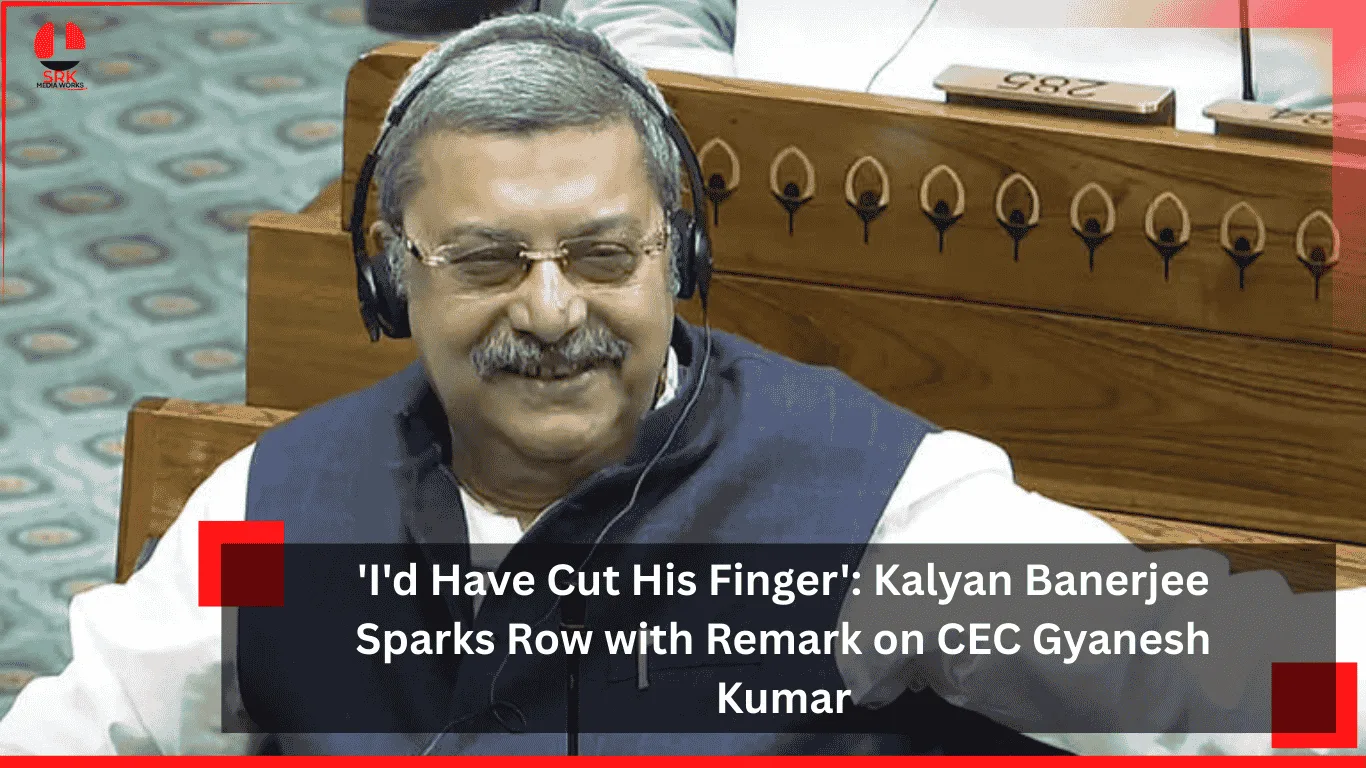




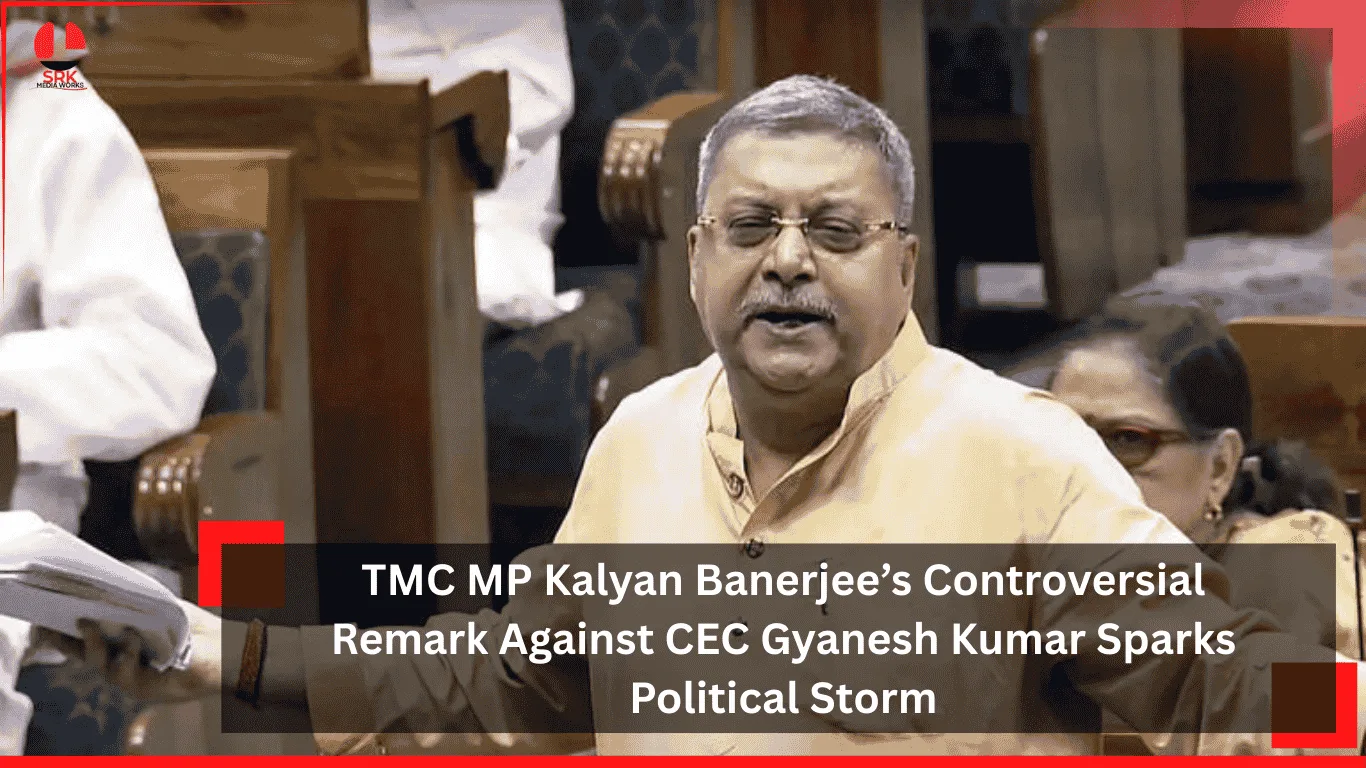
A fresh controversy has erupted in Indian politics after Trinamool Congress (TMC) Member of Parliament Kalyan Banerjee made a shocking statement against Chief Election Commissioner (CEC) Gyanesh Kumar. Banerjee’s remark, “I would’ve chopped his finger,” has triggered widespread criticism, raising questions about political decorum, respect for constitutional institutions, and the boundaries of free speech in public life.
🌍 The Context of the Remark
The remark was made in the backdrop of ongoing tensions between the Election Commission of India and political parties over the conduct of elections. Banerjee’s statement, though seemingly rhetorical, has been interpreted as an attack on the credibility and dignity of the CEC.
The controversy has quickly escalated, with opposition parties demanding accountability and legal scrutiny, while TMC leaders have attempted to downplay the comment as an emotional outburst.
🏛️ Political Reactions
The remark has drawn sharp responses across the political spectrum:
- Opposition Parties: Leaders from BJP and Congress condemned the statement, calling it an insult to democratic institutions.
- Civil Society: Activists and constitutional experts expressed concern over the normalization of violent rhetoric in politics.
- TMC Leadership: While some leaders distanced themselves from Banerjee’s words, others defended him, citing frustration with the Election Commission’s decisions.
📊 Comparative Analysis of Political Controversies
| Politician | Controversial Remark | Target | Public Reaction | Consequence |
|---|---|---|---|---|
| Kalyan Banerjee | “I would’ve chopped his finger” | CEC Gyanesh Kumar | Widespread condemnation | Political storm, calls for apology |
| Other Leaders (Past) | Aggressive remarks on rivals | Opposition leaders | Mixed reactions | Temporary outrage |
| Regional Leaders | Comments on judiciary | Judges | Strong backlash | Legal scrutiny |
📈 Pivot Analysis: Free Speech vs Institutional Respect
| Factor | Free Speech | Institutional Respect |
|---|---|---|
| Political Expression | High | Moderate |
| Public Accountability | Moderate | High |
| Legal Boundaries | Limited | Strong |
| Impact on Democracy | Mixed | Essential |
This analysis highlights the tension between a politician’s right to express frustration and the need to maintain respect for constitutional offices.
🔎 Broader Implications
- Democratic Institutions: Remarks targeting constitutional authorities weaken public trust in democratic processes.
- Political Culture: Normalizing aggressive rhetoric risks eroding civility in political discourse.
- Legal Scrutiny: Such statements may invite legal consequences under laws protecting constitutional functionaries.
🗣️ Expert Opinions
- Constitutional Experts: They argue that while free speech is protected, threats—even rhetorical—against constitutional authorities cross a dangerous line.
- Political Analysts: The remark reflects growing frustration among parties with the Election Commission’s decisions, but the language used undermines credibility.
- Public Sentiment: Many citizens expressed disappointment, urging leaders to uphold dignity in public statements.
🌐 Impact on TMC
The controversy places TMC in a difficult position:
- It risks damaging the party’s image as a defender of democratic values.
- It provides ammunition to opposition parties ahead of elections.
- It forces the leadership to balance defending its MP with maintaining institutional respect.
📝 Conclusion
Kalyan Banerjee’s remark against CEC Gyanesh Kumar has sparked a storm that goes beyond partisan politics. It raises fundamental questions about the limits of political speech, the sanctity of constitutional offices, and the responsibility of elected representatives to uphold democratic norms.
While Banerjee may have intended his words as a rhetorical flourish, the fallout underscores the need for restraint and respect in political discourse. In a democracy, criticism of institutions is legitimate, but threats—real or symbolic—risk undermining the very foundations of governance.
Disclaimer
This article is an analytical piece based on public commentary and political developments. It does not represent endorsement of any political party or leader. The content is intended for informational and educational purposes only, highlighting the complexities of political speech and democratic accountability. Readers are encouraged to consult multiple perspectives for a comprehensive understanding.