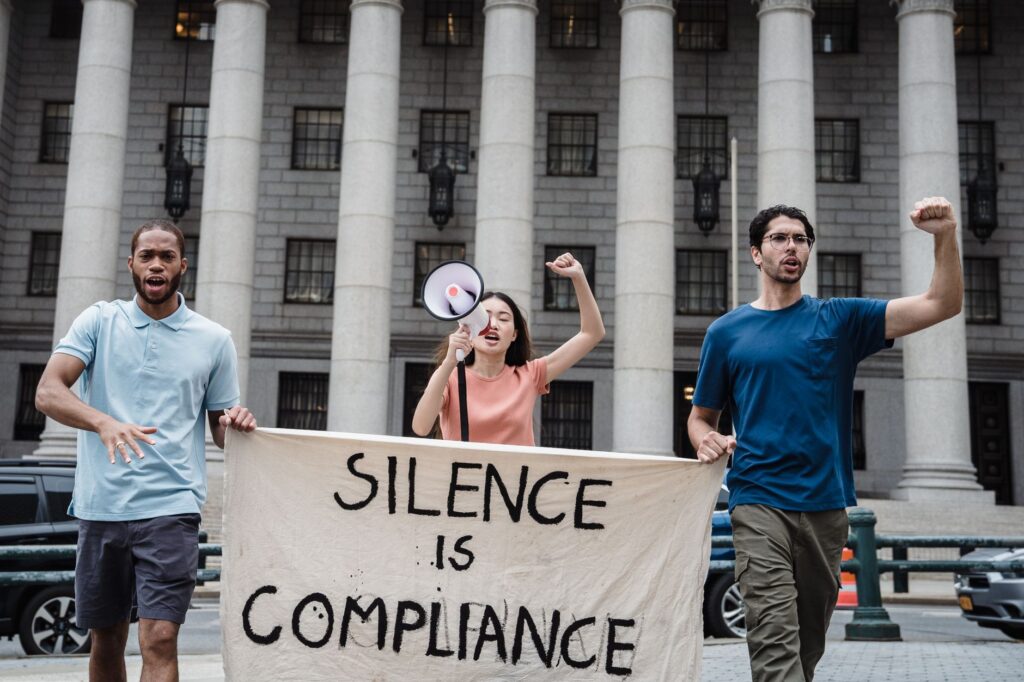

NEW DELHI — Three student activists continued an indefinite hunger strike at Jantar Mantar on Tuesday, maintaining a high-stakes protest for Ladakh’s constitutional safeguards after climate reformer Sonam Wangchuk was hospitalized due to deteriorating health.
The students, identified as Neha Bora, Manish, and Aameen Amitoj, vowed to persist with their fast until the Union Government provides concrete assurances regarding Ladakh’s statehood and its inclusion under the Sixth Schedule of the Indian Constitution.
The Backdrop of the Ladakh Protest
The ongoing demonstration at Jantar Mantar is the culmination of a month-long, 1,000-kilometer march from Leh to New Delhi, organized by the Ladakh Apex Body (LAB) and the Kargil Democratic Alliance (KDA). Protesters are demanding legislative autonomy, statehood, and ecological protections for the sensitive Himalayan region.
Since the bifurcation of Jammu and Kashmir in 2019, Ladakh has been designated as a Union Territory without a legislature, leaving its administration in the hands of a Lieutenant Governor appointed by the central government.
Local leaders argue that this administrative model deprives the indigenous population—who constitute over 90 percent of the region—of democratic representation and control over their land, resources, and cultural identity.
Wangchuk’s Hospitalization and the Youth Takeover
Sonam Wangchuk, the prominent engineer and education reformist whose climate fasts have repeatedly drawn national attention, was rushed to a New Delhi hospital late Sunday evening after his vital signs deteriorated sharply on the ninth day of his hunger strike.
Medical professionals monitoring Wangchuk advised immediate hospitalization, citing risks of kidney dysfunction and severe dehydration. Despite his absence from the protest site, the movement has found a renewed second wind through its youth leaders.
Neha Bora, Manish, and Aameen Amitoj, who had joined Wangchuk’s fast in solidarity, refused to break their strike when the veteran activist was admitted, choosing instead to escalate the protest’s visibility among Delhi’s student population.
Who Are the Three Student Activists?
The three student activists represent a growing coalition of youth groups and environmental defenders from across India who view the Ladakh crisis as a critical test of environmental justice and regional democracy.
Neha Bora, a student activist specializing in environmental policy, stated that her participation stems from the direct threat climate change poses to the Himalayan glaciers, which serve as the water source for millions downstream.
Manish and Aameen Amitoj, both active in national student unions, have framed their hunger strike as a defense of constitutional rights, arguing that the denial of legislative representation to Ladakh undermines India’s federal structure.
The Constitutional and Ecological Stakes
The primary demand of the protestors is the application of the Sixth Schedule, which allows for the creation of Autonomous District Councils with legislative, judicial, and administrative powers over land, forests, and local customs.
According to data from the Ministry of Tribal Affairs, over 97 percent of Ladakh’s population is tribal, which proponents argue makes the region legally eligible for these protections.
Ecologists warn that without constitutional safeguards, Ladakh’s fragile high-altitude desert ecosystem faces imminent threat from unregulated industrial exploitation, mining, and mass tourism.
Administrative Silence and Public Response
The Ministry of Home Affairs has previously held several rounds of talks with the LAB and KDA, but negotiations stalled earlier this year over the dual demands of statehood and Sixth Schedule status.
While government officials have expressed a willingness to discuss developmental packages and administrative empowerment, they remain hesitant to grant full statehood or constitutional autonomy to the strategically sensitive border region.
Support for the fasting students has begun to mobilize across various universities in Delhi, with solidarity marches and candlelight vigils organized at Delhi University and Jawaharlal Nehru University.
What to Watch Next
The immediate focus remains on the health of the three fasting students as medical teams continue to monitor their condition at Jantar Mantar daily.
Observers are watching whether the Union Government will initiate emergency talks with the student representatives or the hospitalized Wangchuk to prevent the protest from snowballing into a larger national student movement.
The coming days will also reveal if the Ladakh Apex Body will call for a wider civil disobedience movement or regional shutdowns in Ladakh to amplify the pressure on the central administration.</